
Last updated October 16, 2026
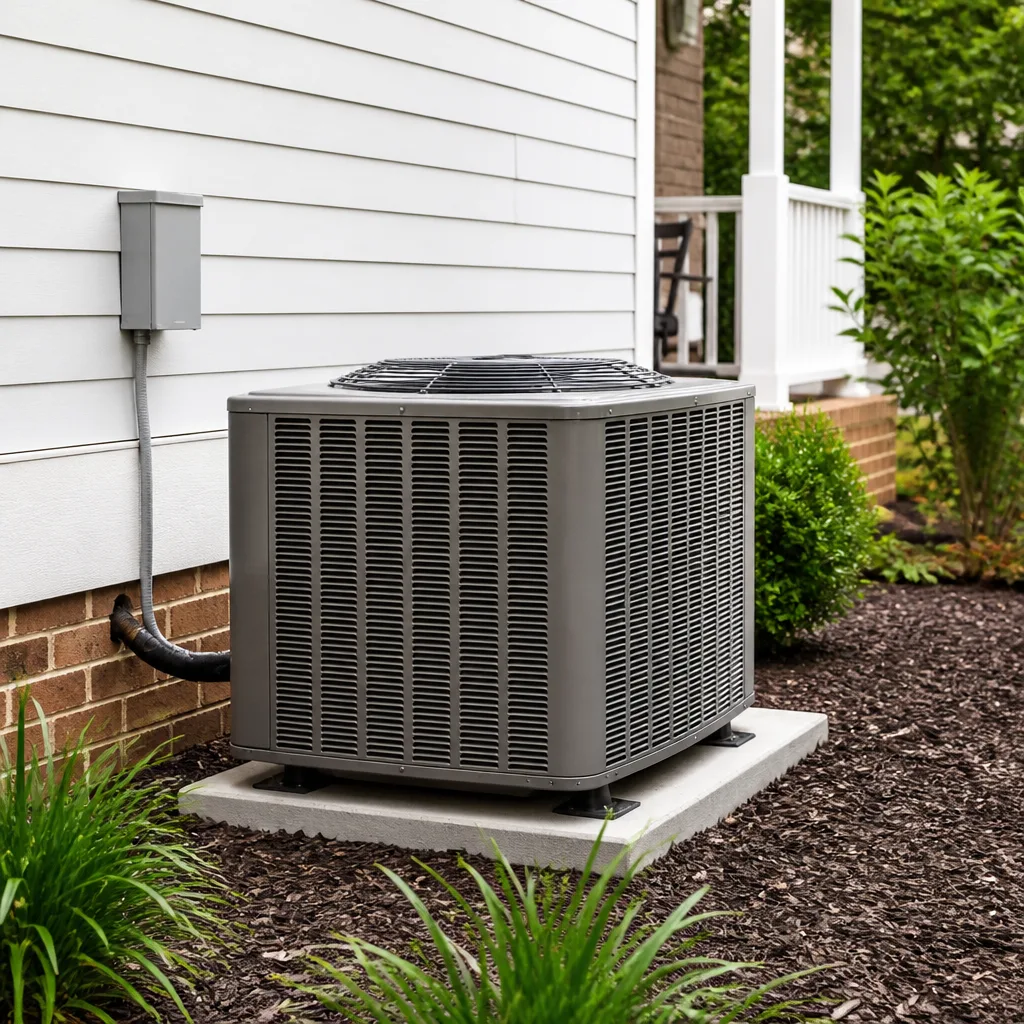 AC repair
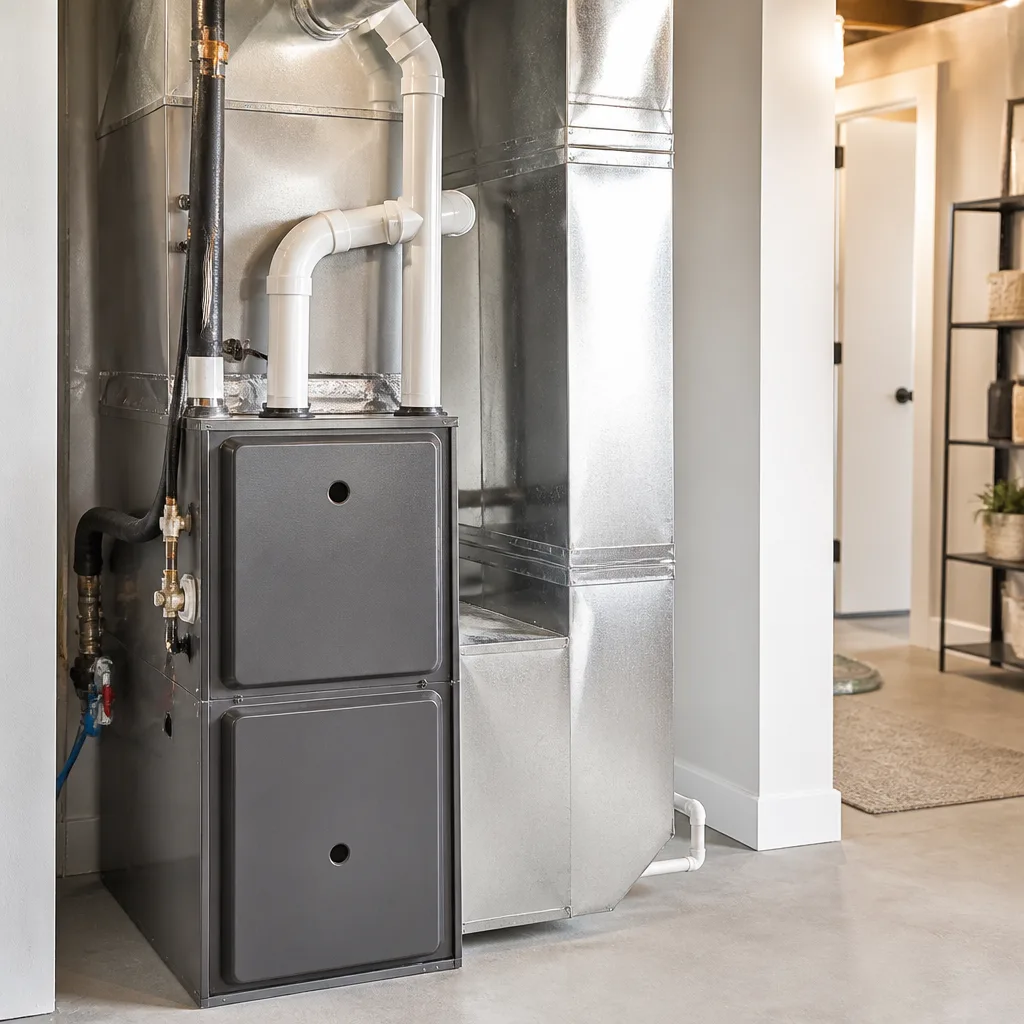 Furnace & heating
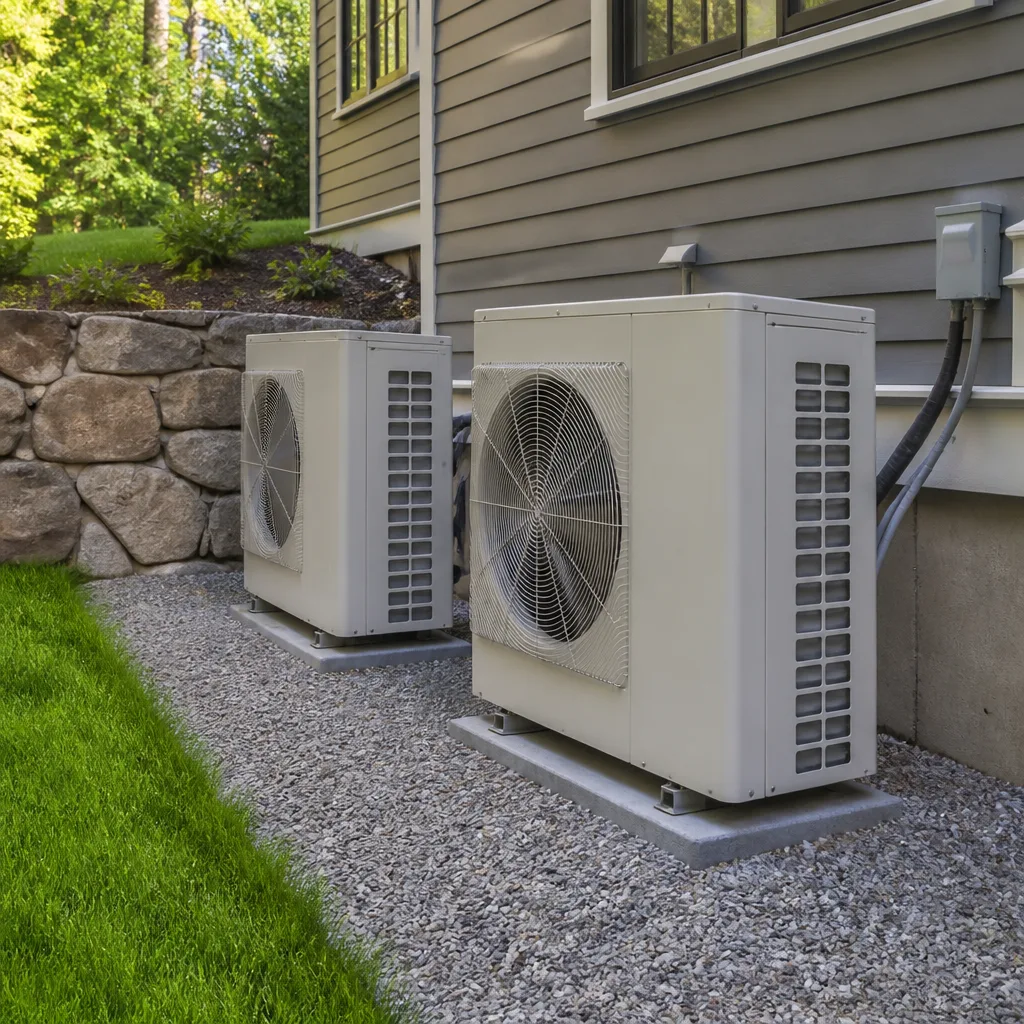 Heat pumps
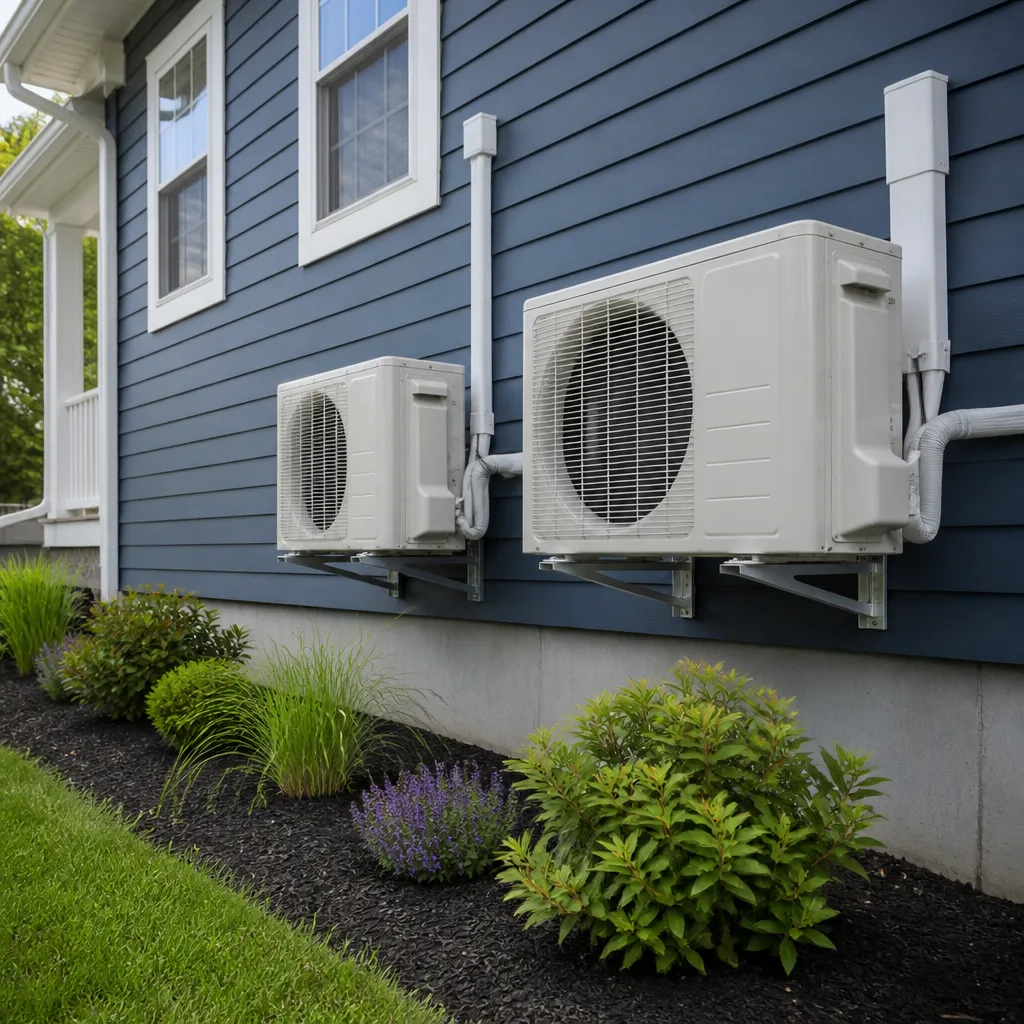 Ductless mini splits
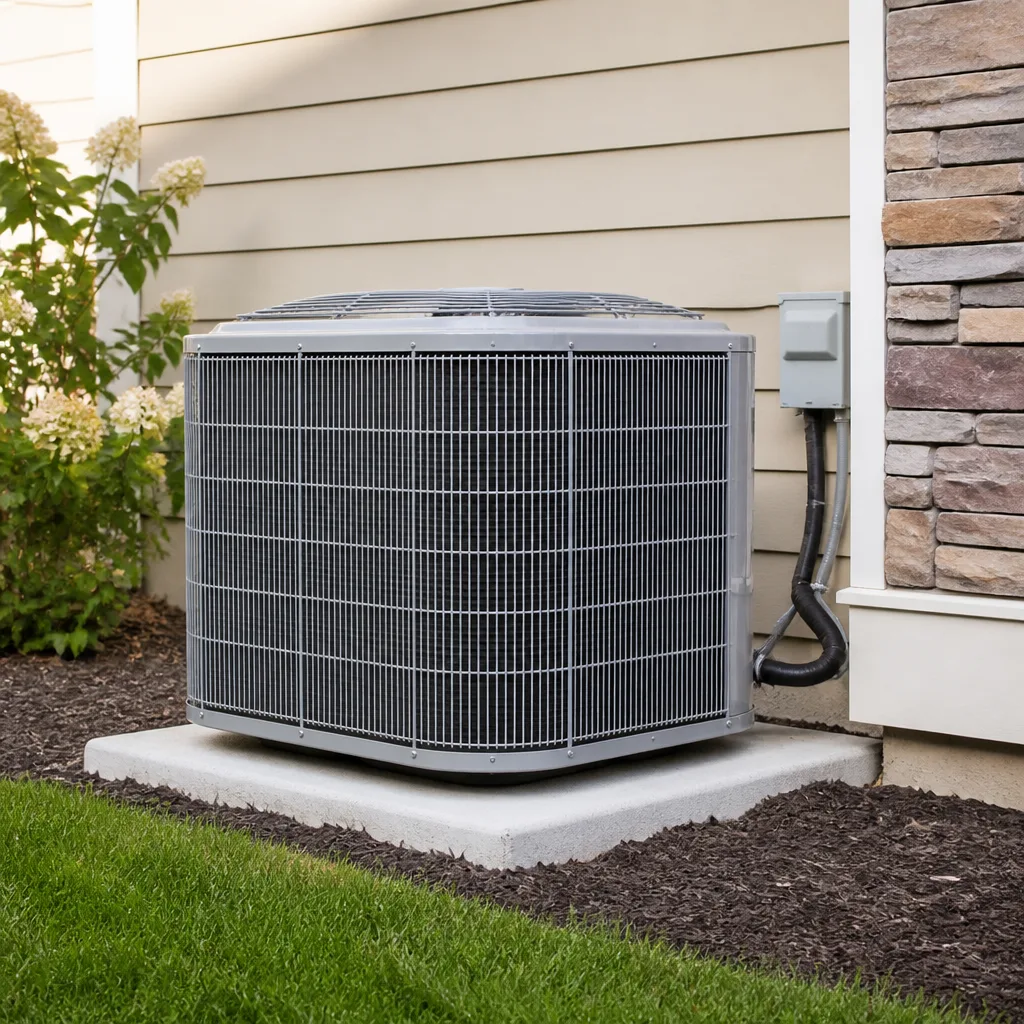 Carrier
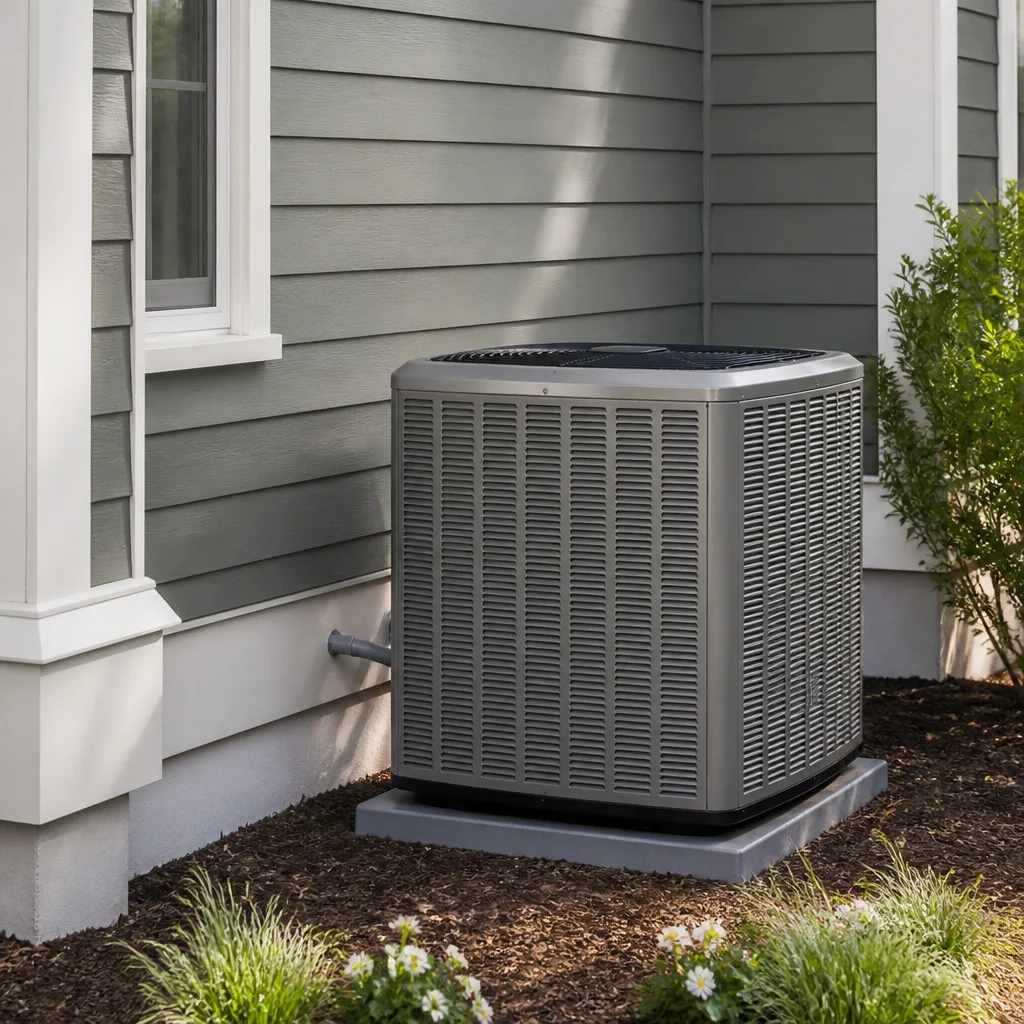 Trane
Trane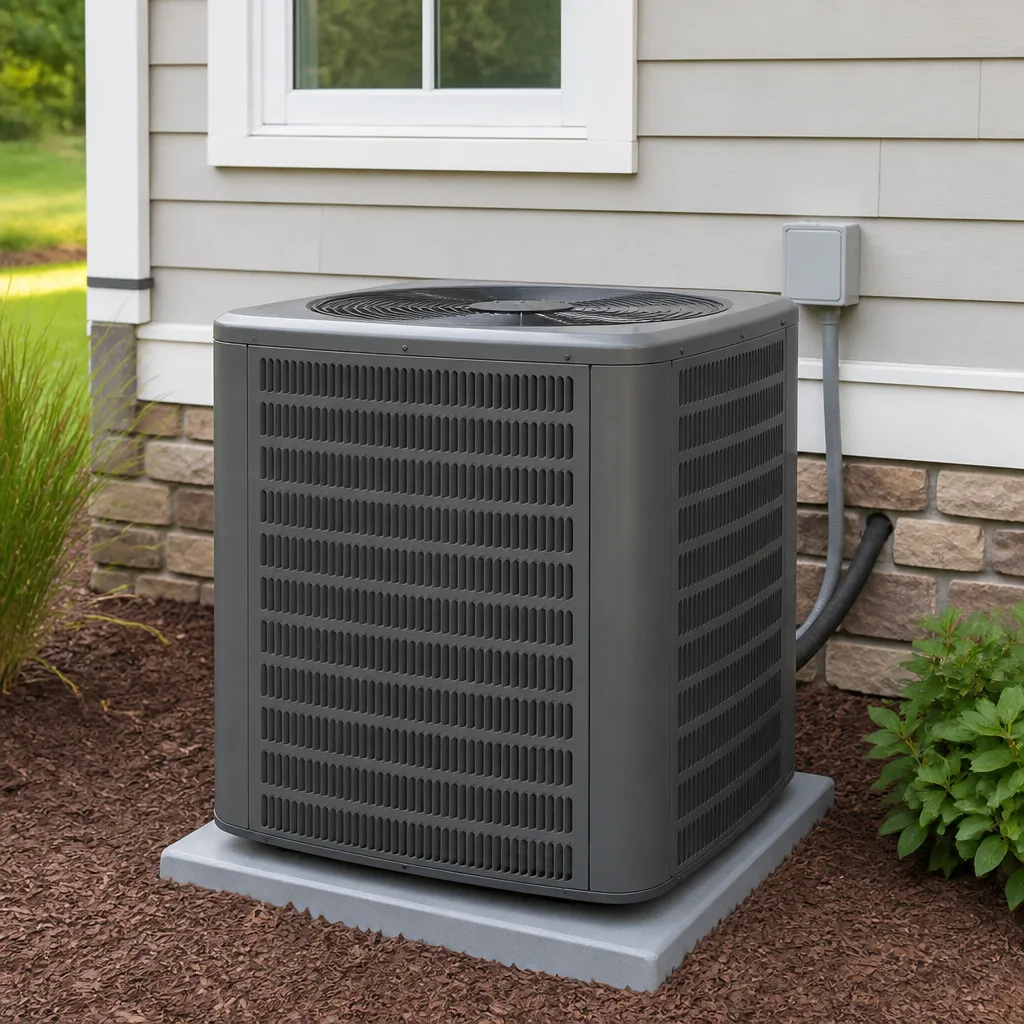 Goodman
Seasonal tune-up and full diagnostic on your Carrier, Trane, or Goodman system - readings shown to you before any repair is proposed
Diagnosis first, numbers second - you approve the repair price before a single part goes in.
Get your free estimateDIY vs Professional HVAC: The Long Beach Homeowner’s Decision Guide
Every year in Long Beach, some homeowner unscrews a panel on their condenser unit, finds a capacitor, orders a replacement on Amazon, and tries to wire it in. Some get lucky. Some trip the breaker, fry the control board, and turn a $275 repair into a $1,400 cure. The DIY-versus-professional question isn’t really about competence. It’s about where California law draws the line between routine homeowner maintenance and work that requires a C-20 contractor license. This guide maps that line exactly: what you can legally do yourself, what you legally cannot, what voiding a warranty looks like in actual fine print, and how to get the most out of a professional service call when you make one. For more on finding the right pro, see our step-by-step guide.
Quick Answer
Long Beach homeowners can legally handle routine maintenance like filter changes, condenser coil cleaning, thermostat programming, and condensate drain flushes. Anything involving refrigerant, electrical connections, gas lines, or permitted equipment installation requires a licensed C-20 contractor in California. Attempting refrigerant work without EPA Section 608 certification is a federal violation, and DIY repairs on newer equipment will typically void the manufacturer’s warranty. For most homeowners, the smart split is: maintain your own system, hire a professional for anything that opens the sealed or wired components of the unit. See our HVAC Cost Breakdown to understand what professional service typically runs in Long Beach.
Styles & brands we work with
Table of Contents
- Where California Law Draws the Line: What a Homeowner May and May Not Do
- The Legitimate DIY Tasks: Four Maintenance Jobs Every Long Beach Homeowner Should Do
- How DIY Work Voids a Manufacturer Warranty: The Fine Print Nobody Reads
- Real Cost Comparison: DIY vs Professional on a Common Upgrade
- How to Be a Strong Presence During a Professional Service Call
- What Brand Does to the DIY Equation
- Why Unlicensed Work Is a Public Safety Issue in Long Beach
- Common Misconceptions About DIY HVAC
Where California Law Draws the Line: What a Homeowner May and May Not Do
California’s Contractors State License Board requires a C-20 warm-air heating, ventilating, and air-conditioning contractor license for any work that involves the installation, alteration, or repair of HVAC systems where the contract price is $500 or more. On the surface, that sounds like a pricing threshold. In practice, most of the pieces of an HVAC system that need actual repair rather than routine care are also the pieces the law independently restricts.
Here is the practical breakdown for Long Beach homeowners:
What a homeowner MAY legally do:
- Replace or clean an air filter
- Clean the condenser coil fins with a garden hose (water only, no chemical sprays unless the product is labeled for consumer HVAC use)
- Flush a condensate drain line with vinegar or warm water
- Clear leaves, debris, and vegetation from around the outdoor unit
- Replace thermostat batteries and program setpoints
- Inspect and visually verify that the system runs, cycles, and reaches approximate set temperatures
What legally requires a C-20 contractor (or another specific license):
- Adding, removing, or recharging refrigerant, including “topping off” a system that is low on R-410A or R-454B. Federal EPA Section 608 certification is mandatory for anyone opening a refrigerant circuit, and California’s Bureau of Household Goods and Services actively investigates and cites unlicensed refrigerant work. This includes homeowners doing it to their own system.
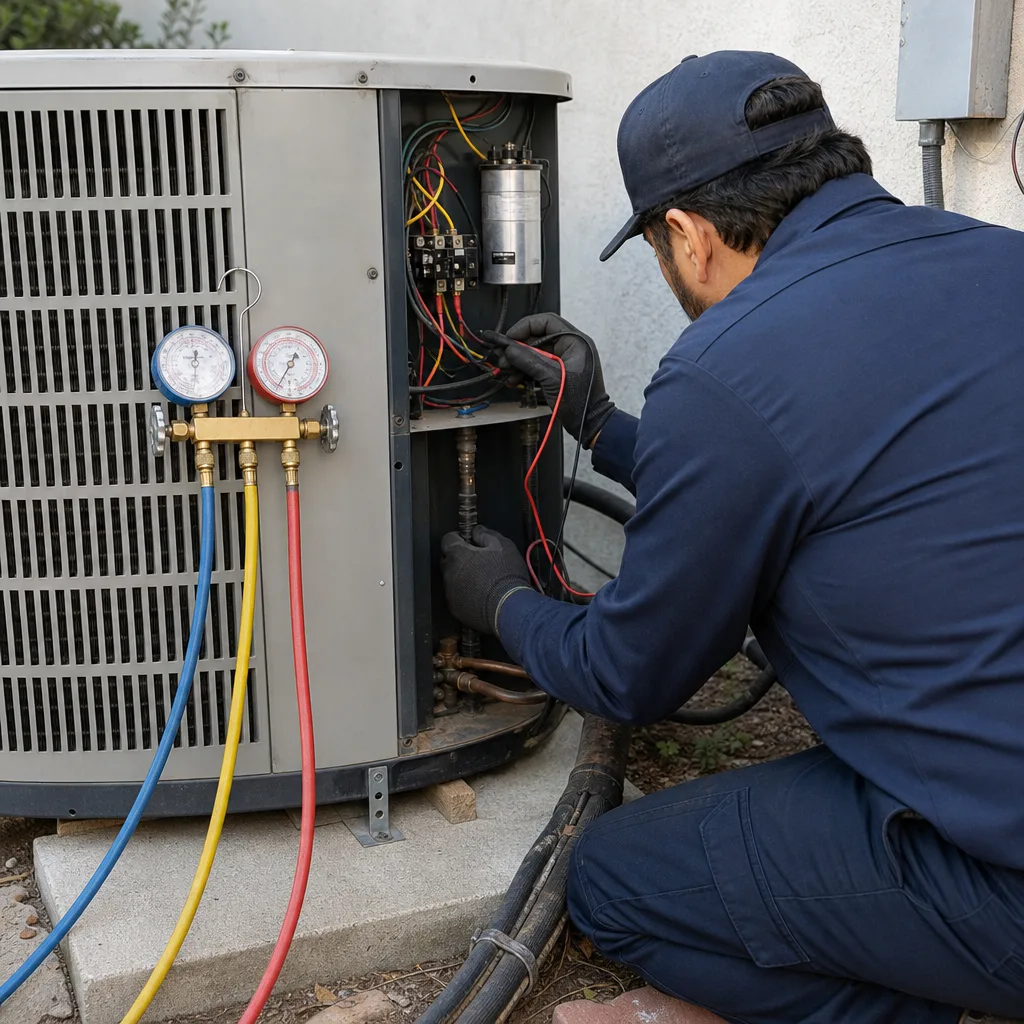
- Installing or replacing a capacitor, contactor, control board, blower motor, compressor, or any electrical component inside the cabinet
- Any modification to the electrical supply wiring, disconnect box, or breaker feeding the HVAC equipment
- Installing, relocating, or replacing an air handler, furnace, heat pump, condenser, ductwork, or line set
- Any work requiring a city or county permit, which includes most equipment replacements in Long Beach
- Repairing or adjusting gas valves, burners, heat exchangers, or flue venting on a furnace
The statute-referenced line here is not a gray area. Business and Professions Code section 7028 makes it a misdemeanor to perform HVAC contracting work without an appropriate license when a license is required. When the AC repair involves refrigerant or the sealed electrical cabinet, a license is required. The line isn’t fuzzy; it’s just poorly publicized.
The Legitimate DIY Tasks: Four Maintenance Jobs Every Long Beach Homeowner Should Do
Here is where the math genuinely favors the homeowner. These four jobs are legal, low-risk, take under an hour combined, and they meaningfully extend the life of a system in Long Beach’s salt-air and high-runtime climate.
1. The air filter schedule (and why Long Beach runs dirtier than you’d think)
Long Beach’s coastal breezes carry fine particle matter and, in many neighborhoods, street dust from high traffic corridors like the 405 and 710. We recommend checking a 1-inch pleated filter every 30 days and replacing it every 60 to 90 days depending on how it looks. Hold it up to a light. If light doesn’t pass through easily, it’s done.
- Locate the filter slot. It’s either in a return grille in a hallway ceiling or wall, or inside the air handler cabinet.
- Note the arrow printed on the filter frame. The arrow points in the direction of airflow, toward the blower.
- Slide the old filter out and slide the new one in, arrow oriented correctly.
- Write the install date on the filter frame in permanent marker. Next check: 30 days.
A clogged filter is the single most common cause of frozen evaporator coils and avoidable service calls we see in Long Beach.
2. The condensate drain flush
The condensate drain is the PVC pipe, usually 3/4-inch, that carries condensed water from the indoor coil to a drain or outside. In Long Beach’s warm humid months, the drain can grow algae and sludge, and a clogged drain will trigger a float switch that shuts the system down or, worse, let water back up into the drip pan and onto your ceiling.
- Find the drain line exit. It typically terminates near the outdoor condenser or at a utility sink.
- Pour 1/2 cup of white vinegar down the line using a small funnel.
- Wait 10 minutes, then flush with a quart of warm water.
- Repeat every 90 days during cooling season.
If the line has a visible access tee capped with a PVC plug, you can open it and flush from there. Do not use bleach. It corrodes the PVC glue joints over time.
3. Thermostat programming for Long Beach’s marine layer schedule
Long Beach has a real daily swing: morning clouds, afternoon sun, evening cool-off. A programmable or smart thermostat that follows that rhythm saves money. Set the cooling setpoint to 78°F during the day, 76°F from late afternoon until 9pm, and 74°F for sleeping if you prefer. If you’re gone most of the day, let the house coast at 80°F and cool it to 76°F an hour before return. No need to overcool an empty house.
4. Outdoor unit clearance
The condenser needs 18 to 24 inches of clear space on all sides and at least 5 feet of clear space above to move air. In Long Beach’s many older neighborhoods with mature landscaping, we frequently see units hemmed in by hibiscus, ficus, and climbing vines. Walk outside monthly and pull anything growing within two feet of the cabinet. Rinse the coil fins gently with a garden hose once a season, from the top down or straight on, never on a pressure setting. Do this before 9am, and you’ll wash off the salt film that builds up from ocean air before it bakes into corrosion.
How DIY Work Voids a Manufacturer Warranty: The Fine Print Nobody Reads
Most residential HVAC equipment ships with a 10-year parts warranty, conditional on registration and on installation by a licensed contractor. The language is nearly identical across the major brands. Pull the warranty certificate from a Bryant, American Standard, Trane, or Carrier unit and you’ll find some version of this clause:
“This warranty does not cover damage or failure resulting from improper installation, repair, or modification by anyone other than a licensed contractor.”
The phrase to focus on is “repair or modification.” The warranty is not voided only by a bad installation. It is voided by a homeowner opening the electrical cabinet and replacing a failed capacitor, rewiring a contactor, or attempting a compressor swap. Once the unit shows evidence of non-licensed repair, the manufacturer has grounds to deny a subsequent legitimate warranty claim. We have seen it happen: a homeowner replaces a capacitor, the compressor fails six months later, and the warranty claim is rejected because the access panel showed tool marks and an aftermarket part number.
The practical consequence: a $14 DIY capacitor on a 7-year-old condenser can forfeit the remaining three years of parts warranty on a $3,800 compressor. That is a poor trade, and it’s a trade most homeowners don’t know they’re making.
This is also where the heat pump installation side gets relevant: a manufacturer’s extended labor warranty and any registered parts warranty is tied to the installing contractor’s license number. A DIY install of a heat pump or mini-split not only voided the warranty from day one; in many cases, the permitting process requires a contractor’s license number on the mechanical permit application. Long Beach’s permitting desk will not accept a homeowner permit for a full system changeout on most residential properties.
Real Cost Comparison: DIY vs Professional on a Common Upgrade
Take a common job: swapping an old non-programmable thermostat for a smart thermostat or a programmable unit. The DIY path is genuinely attractive here, and the legal line allows it. Let’s put real numbers to it for the Long Beach market.
DIY thermostat replacement:
- Mid-range smart thermostat: $90 to $180
- Common wire (C-wire) adapter if needed: $15 to $30
- Time: 45 to 90 minutes
- Total out-of-pocket: $105 to $210
Professional thermostat install:
- Thermostat provided and installed: $220 to $390 total
- Includes C-wire verification, compatibility check, wiring cleanup, and testing on both heating and cooling modes
- Work is covered by the contractor’s written guarantee
The DIY savings is real: somewhere between $100 and $180 on a simple thermostat job. For a straightforward swap on a system with an existing C-wire, a careful homeowner with a voltage tester and the furnace switch off can do this safely. The math changes if the thermostat controls a heat pump with auxiliary heat strips, a two-stage compressor, or a zoned system. Those wiring scenarios are easy to get wrong, and a miswire can take out the low-voltage transformer or, worse, send 24 volts where it doesn’t belong and damage the control board.
Now compare a capacitor replacement, because that’s the job homeowners most often attempt:
DIY capacitor swap:
- Capacitor: $12 to $35 online
- Voltage tester and capacitor discharge tool: $30 to $60 if not already owned
- Risk: electrical shock from a charged capacitor (even with power off), control board damage from a miswire, voided warranty, no recourse if the new part fails
- Total out-of-pocket: $12 to $95
Professional capacitor swap:
- Typical Long Beach market price: $180 to $320, depending on the capacitor type (single vs dual run)
- Includes diagnostic time, written price before work begins, written guarantee on the repair, and warranty preservation
- Risk: none assumed by the homeowner
The professional path is more expensive in cash and cheaper in risk. When the capacitor is under warranty, the part may be covered; labor is the real cost. When we arrive for a capacitor call, we test the old one with a multimeter before replacing anything and give the homeowner the exact microfarad reading. That’s the difference between a guess and a diagnosis.
How to Be a Strong Presence During a Professional Service Call
You don’t need to turn a wrench to get more out of a service relationship. The homeowners who get the most honest, complete service are the ones who show up informed. Here is what to do when a professional is on site.
1. Ask for the diagnosis in plain English first. Before any price is quoted, ask the technician: “What exactly is failing, and how did you confirm it?” A real diagnosis names the component and the measurement. A vague answer (“it’s just old”) is a red flag.
2. Ask for the price in writing before work starts. In Long Beach, the better shops do this as a matter of policy. We do. A written price before any work begins, every time. If a technician won’t put the number on paper before touching the unit, ask why.
3. Ask what the guarantee covers, in exact terms. “How long is this repair guaranteed in writing, and what happens if it fails during that window?” A real answer sounds like: “One year. If the same part fails, we return and redo the work at no charge.” A hand-wave about “we stand behind our work” is not a guarantee.
4. Watch the shutdown procedure. A professional kills power at the disconnect and the breaker before opening a cabinet, and verifies with a voltage tester before touching wiring. If a tech opens a live electrical cabinet and starts handling components, say something.
5. Ask about the filter and airflow. A technician who never mentions filter condition, static pressure, or coil cleanliness is not doing a full job. Airflow problems kill more compressors than any other single factor in Long Beach’s salty, dusty air.
6. Request documentation. You should leave every service call with an invoice that lists the work performed, the part numbers replaced, and the written guarantee terms. If the tech adds refrigerant, the invoice should state the amount added in pounds and ounces. That documentation protects you if a warranty claim arises later.
These behaviors don’t make you difficult. They make you an informed customer, and they filter out the companies that survive on vague diagnosis and parking-lot quotes.
What Brand Does to the DIY Equation
Some brands are more friendly to informed homeowners than others. The four biggest names in Long Beach’s equipment stock are Bryant, American Standard, Carrier, and Trane. Here is how the DIY decision shifts by brand.
Bryant and Carrier share a parent company and many internal components. Both brands use proprietary control boards and communicating thermostat protocols in their higher-end two-stage and variable-speed lines. That means a generic aftermarket part from a supply house may exist but is not guaranteed to be compatible. A Carrier Infinity or Bryant Evolution system that gets a non-communicating thermostat or a third-party control board will often throw error codes and run at reduced capacity. This is not a DIY-friendly architecture.
American Standard and Trane also share a parent company. Their two-stage and variable-speed lines are similarly proprietary, though their single-stage units remain closer to the industry-standard parts ecosystem. The single-stage condenser from either brand uses readily available contactors, capacitors, and fan motors. That said, the warranty language remains the same: any repair by an unlicensed person voids parts coverage.
The takeaway for a Long Beach homeowner: if your unit is a single-stage model from any of these four brands, the parts are simple and the temptation to DIY is strong. The legal and warranty constraints don’t change. The seal on that cabinet is the line, regardless of how simple the part inside looks.
We service all of these brands, which means we see the brand-specific failure patterns. Carrier and Bryant condensers in coastal neighborhoods tend to fail on the control board side before mechanical components. Trane and American Standard units hold up mechanically but develop capacitor and contactor wear at the 8-to-12-year mark. Knowing which brand your home has will tell you what to expect over the next five years.
Why Unlicensed Work Is a Public Safety Issue in Long Beach
Long Beach is a dense city. Homes sit close together in neighborhoods like Belmont Shore, Bixby Knolls, and the Wrigley area. A homeowner who botches an electrical repair on a condenser creates a fire risk that doesn’t stop at the property line. A homeowner who leaks refrigerant into the atmosphere is committing a direct environmental violation; R-410A has a global warming potential of 2,088 times CO2, and R-454B, the new standard in 2025+ equipment, is mildly flammable, adding a fire hazard to the list.
Unlicensed work also undercuts a legitimate concern in the city: Long Beach’s older housing stock has a lot of pre-1990 electrical panels and undersized wiring. A tech who doesn’t check supply voltage and amp draw before installing a larger blower motor or condenser is working blind. The C-20 license exists because this equipment operates at the intersection of electricity, gas, refrigerant, and airflow. When one of those four is out of tolerance, the system fails, the house is at risk, and the next owner inherits the problem.
Common Misconceptions About DIY HVAC
Before we close the loop, a few beliefs we run into on a regular basis in Long Beach that deserve direct correction.
“I can add refrigerant myself with a can from the auto parts store.” Auto parts store refrigerant is not the same refrigerant, the fittings are different, and adding it to a residential system would contaminate the charge and likely destroy the compressor. It is also a federal violation.
“My system is old, so the warranty doesn’t matter.” A 12-year-old system may be out of parts warranty, but a botched repair can still cause a refrigerant leak that the EPA can trace and cite, and the cost of replacing a destroyed compressor is unchanged by the warranty status. Age doesn’t shrink the downside.
“YouTube made it look easy.” YouTube tends to feature the success cases, not the callbacks. We get the callbacks. They are more expensive than the first call would have been, every time.
“A permit isn’t required for a replacement.” In Long Beach, most full system replacements require a mechanical permit. A reputable contractor pulls the permit and schedules the inspection. A DIY or unlicensed install skips that step, and the city can flag it during a later property sale. See our full guide to HVAC Permits, Codes & Inspections in CA for the details.
“If I buy the part myself, the tech will just install it.” Most good shops won’t. We don’t, because we can’t guarantee a part we didn’t source, and the written guarantee on every repair means we have to know the part’s provenance. A homeowner-supplied part is an unknown variable.
Common Mistakes to Avoid
- Opening a compressor or condenser cabinet without killing the disconnect. A capacitor holds a charge even after power is cut. The shock is not a small one. Treat every electrical cabinet as live until personally verified dead with a meter.
- Using a pressure washer on the condenser coil. The fins are thin aluminum. A pressure washer folds them flat and chokes airflow. Garden-hose pressure only.
- Ignoring a tripped float switch. If the drain pan fills, the system shuts down for a reason. Clearing the switch without clearing the clog just moves the overflow to a later date, usually onto a ceiling.
- Mixing refrigerant types. R-22 and R-410A are not interchangeable. R-410A and R-454B are not interchangeable. The system coil is not a multi-refrigerant device. Mismatched refrigerant destroys compressors.
- Replacing a fuse with a higher amp rating. A blowing fuse is a symptom. Upsizing the fuse is how control boards die and wires overheat. Diagnose the cause before replacing the fuse.
- Sealing supply registers in unused rooms. Reducing register count increases static pressure and makes the blower work harder, not smarter. Leave registers open, even in rooms you don’t use much.
See the difference
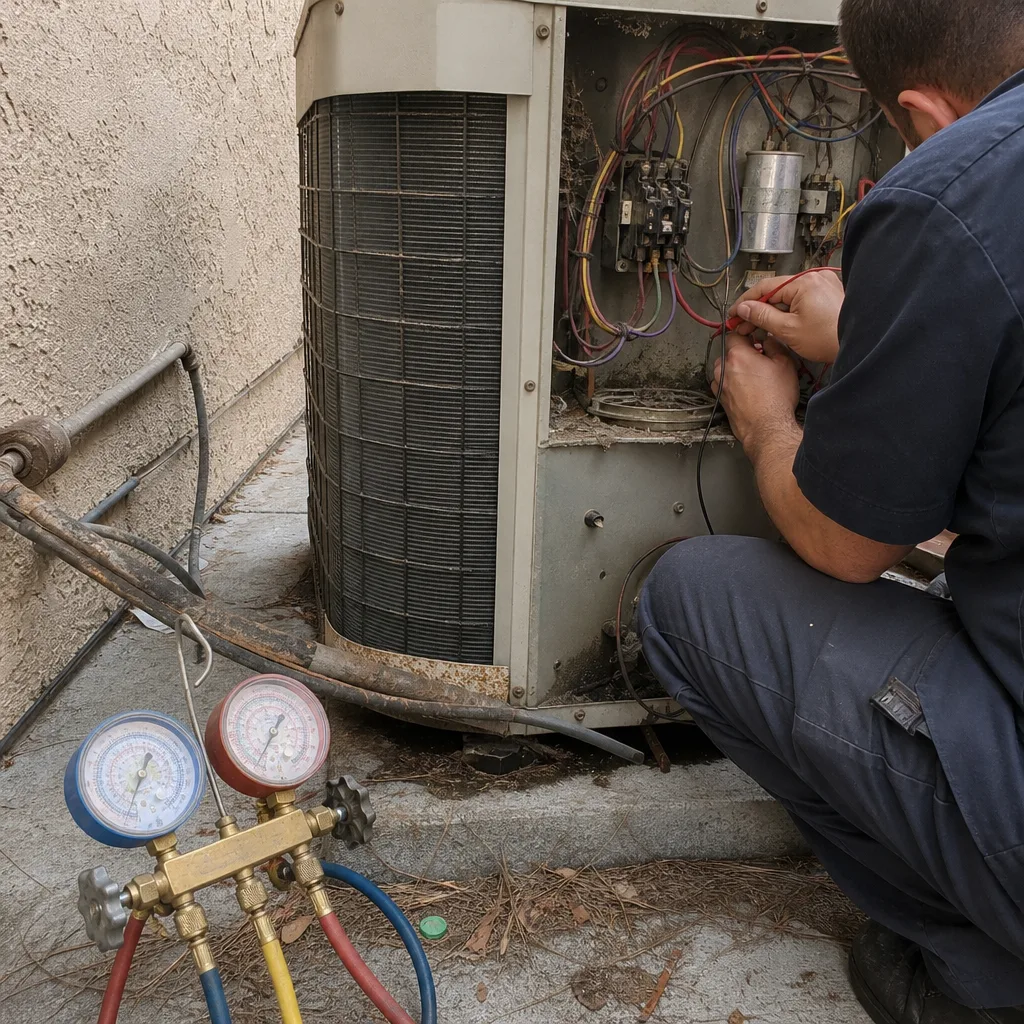 Before
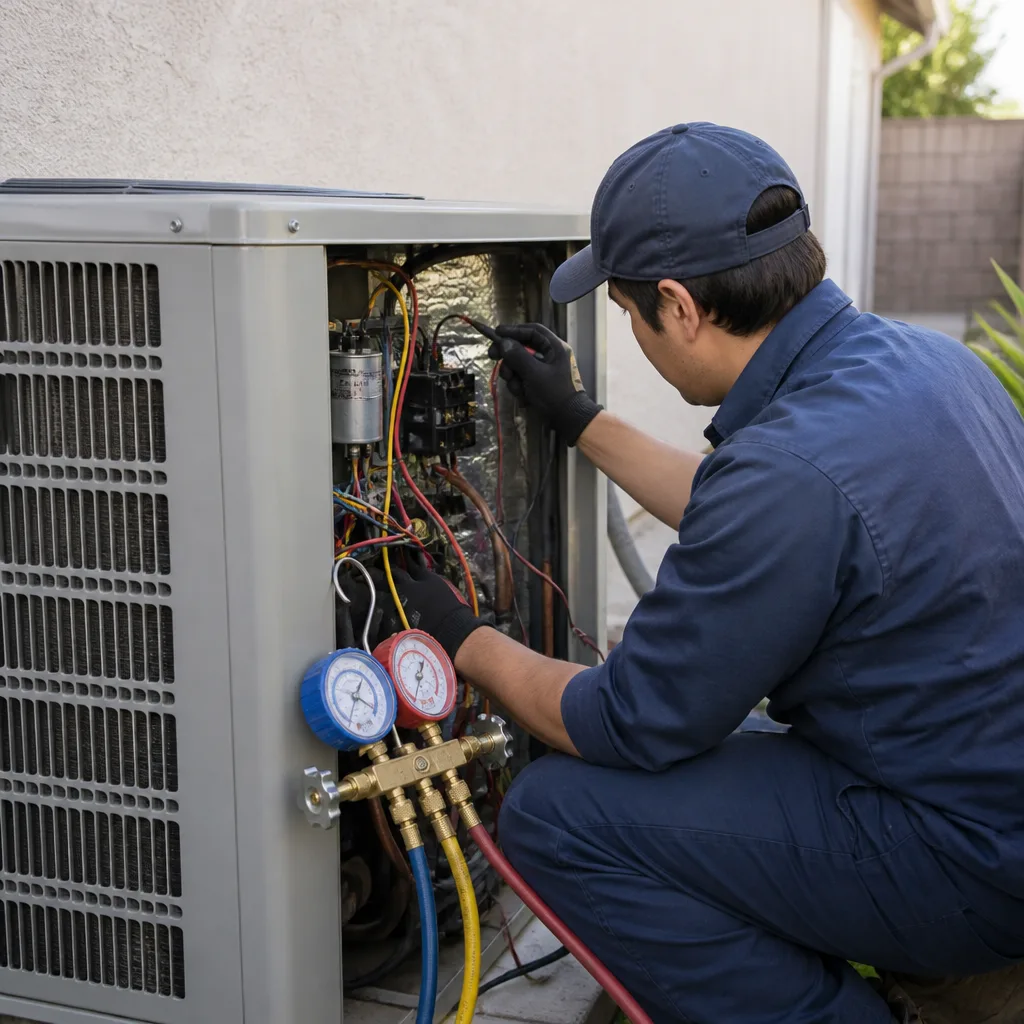 After
After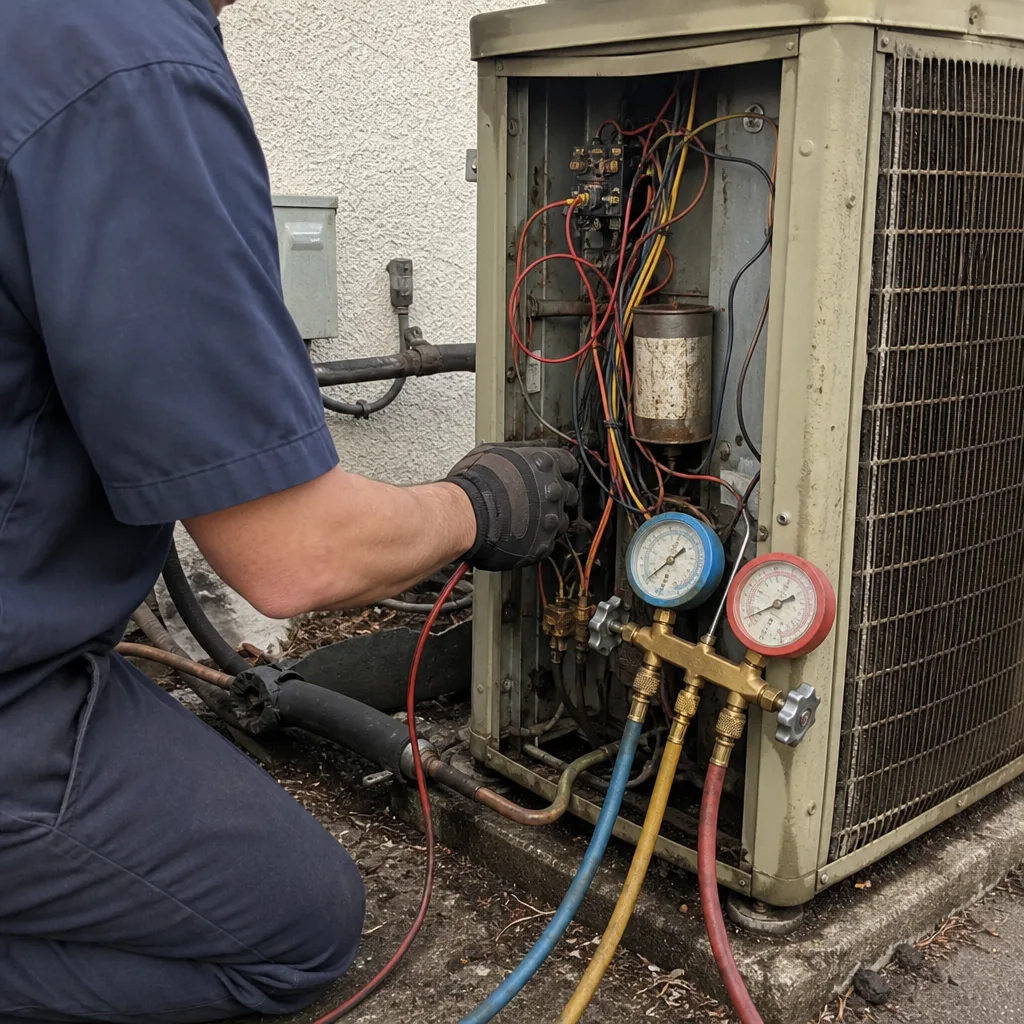 Before
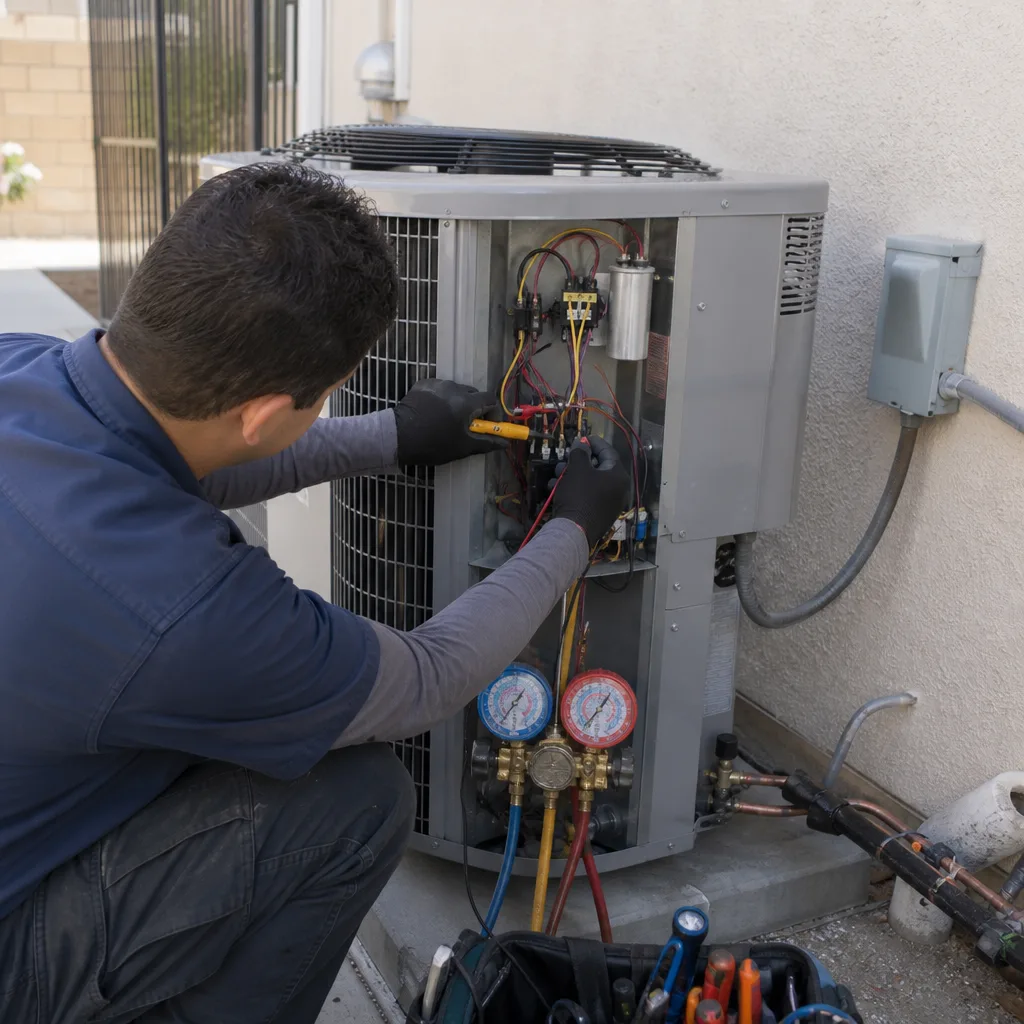 After
After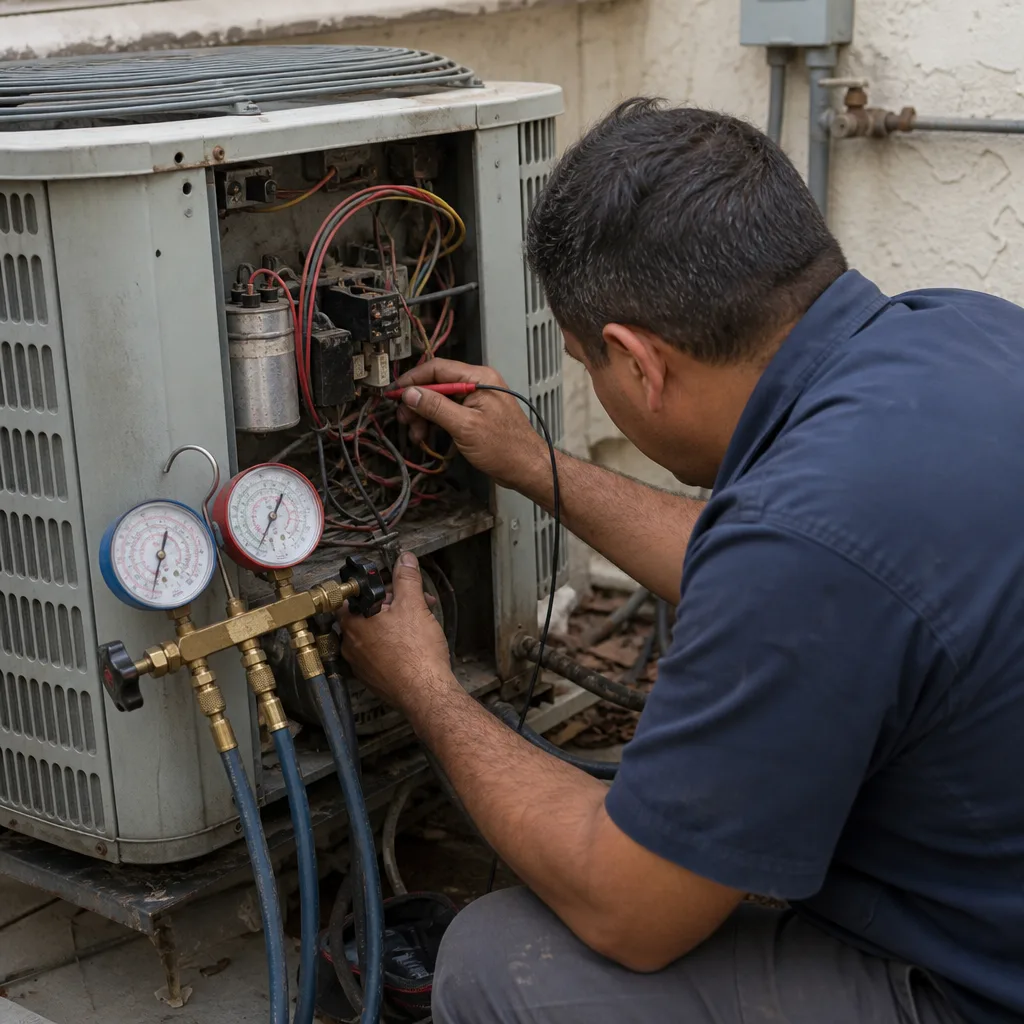 Before
 After
AfterWhen to Call a Professional
Call a professional the moment the job involves refrigerant, the electrical cabinet, the gas valve or burners, or anything requiring a permit in Long Beach. Call a professional when the system is short-cycling, icing up, blowing warm in cooling mode, making a sound you’ve never heard before, or tripping a breaker. Call a professional when the job touches something that can hurt you, damage the house, or void the warranty. Dalton Heating & Air Long Beach offers free estimates in Long Beach. Call (562) 512-7423 and a real person answers, day or night. You’ll get a written price before any work starts, and a written guarantee on any repair we do. Browse our blog for more guides & resources on keeping your system running right.
Frequently Asked Questions
It is legal for a Long Beach homeowner to perform routine maintenance like filter changes, drain flushes, and outdoor coil cleaning. It is not legal to perform refrigerant work, electrical component replacement, gas line repair, or permitted equipment installation without a C-20 contractor license. Those restrictions exist even when the homeowner owns the equipment. Call (562) 512-7423 for an honest assessment if you’re not sure which side of the line a job sits on.
Yes. Most residential HVAC warranties from Bryant, American Standard, Carrier, and Trane include a clause stating that damage or failure resulting from repair or modification by anyone other than a licensed contractor is not covered. A single DIY capacitor swap can give the manufacturer grounds to deny a later compressor claim.
Most capacitor replacements in Long Beach run between $180 and $320, depending on whether the unit uses a single or dual-run capacitor and the brand of the condenser. The price includes diagnostic confirmation, the written price before work begins, and the written guarantee on the repair.
Yes. Pouring a half cup of white vinegar down the drain line every 90 days, followed by warm water, is a safe and effective preventive measure. If the line is already fully clogged and the float switch has tripped, you’ll likely need a professional to clear it and verify the switch resets properly.
Filter replacement, thermostat battery and programming changes, outdoor unit debris clearing, garden-hose coil rinsing, and vinegar-based drain flushes do not require permits or licenses. Any equipment replacement, electrical modification, or refrigerant work does.
Yes. Call (562) 512-7423 and you’ll get a free estimate with a written price before any work begins. We service all major residential brands including Bryant, American Standard, Carrier, and Trane, and every repair includes a written guarantee for a full year.
The Bottom Line
The DIY-versus-professional question is not a test of your skill; it’s a question of where the legal and warranty lines sit. In California, those lines are clear: you own the maintenance, a licensed C-20 contractor owns the repair. Do the four maintenance jobs regularly. Skip the capacitor swaps and refrigerant top-offs. When you need a professional, choose one that puts the price in writing before the work starts and stands behind the repair in writing for a full year. That is the standard we operate under at Dalton Heating & Air Long Beach, and it’s the standard every Long Beach homeowner should demand from any company they invite onto the property.
Written by Marco Benitez, Owner at Dalton Heating & Air Long Beach, serving Long Beach since 2003.