
Last updated October 16, 2026
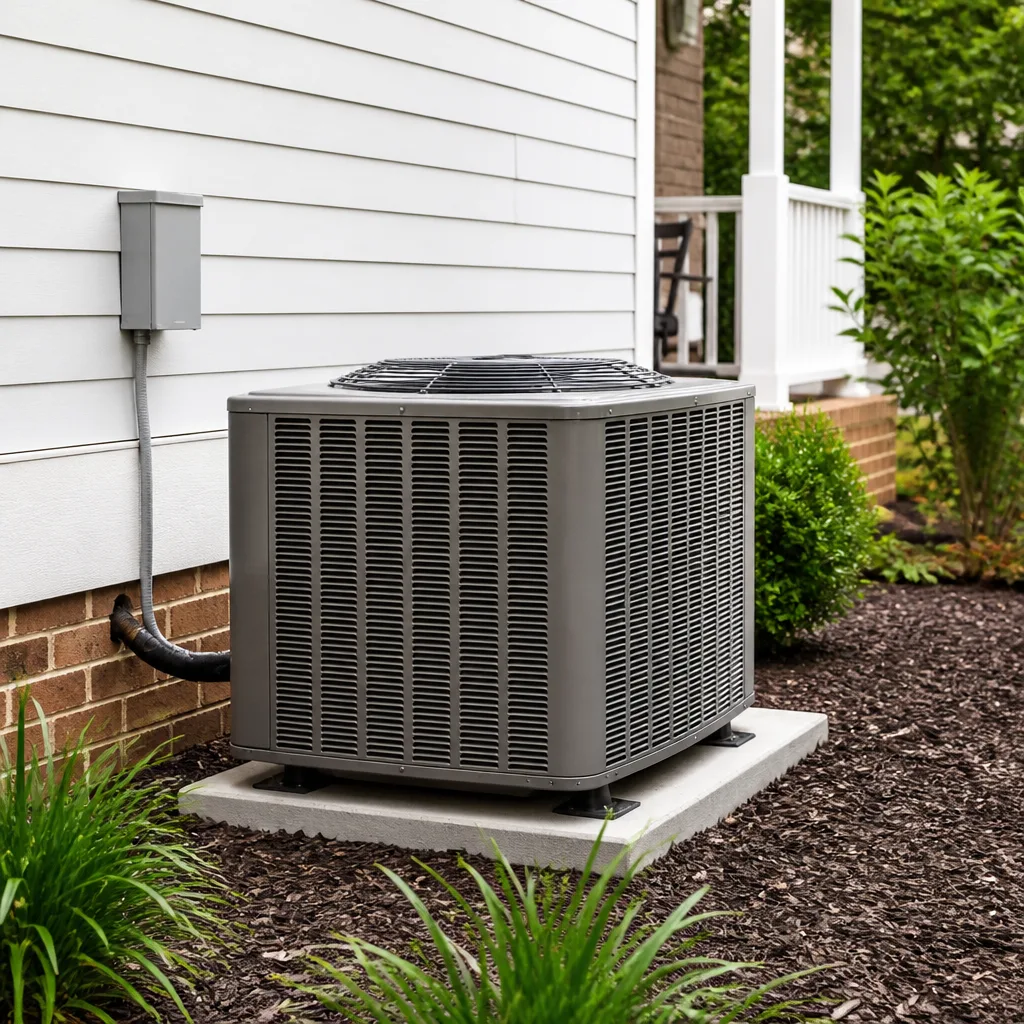 AC repair
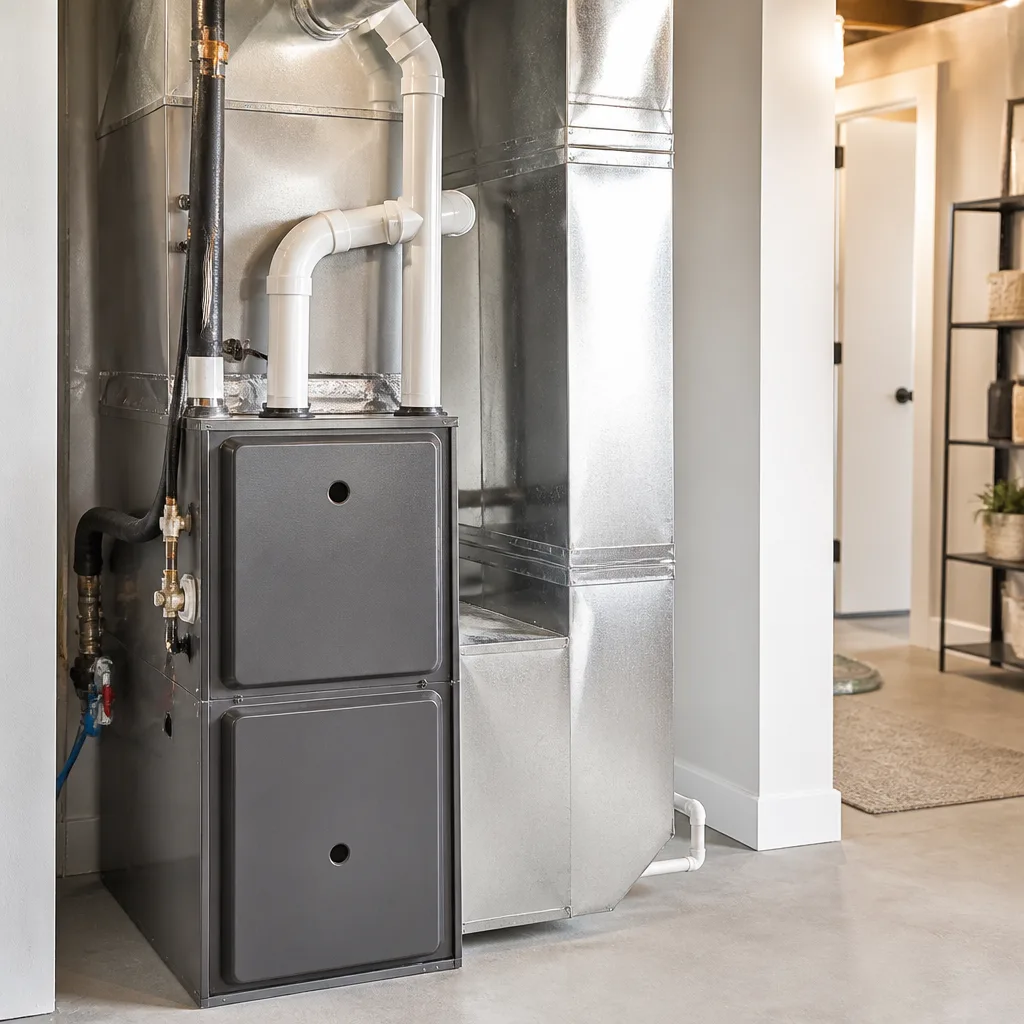 Furnace & heating
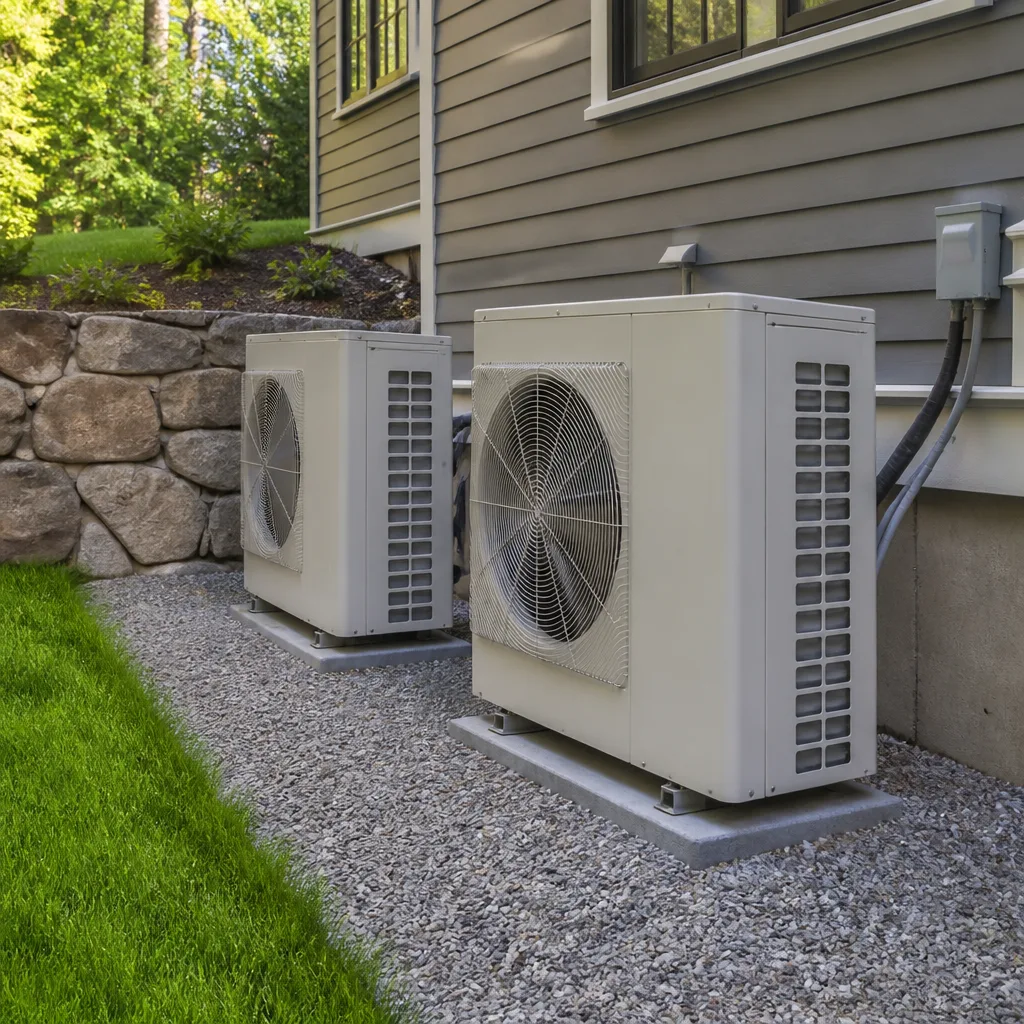 Heat pumps
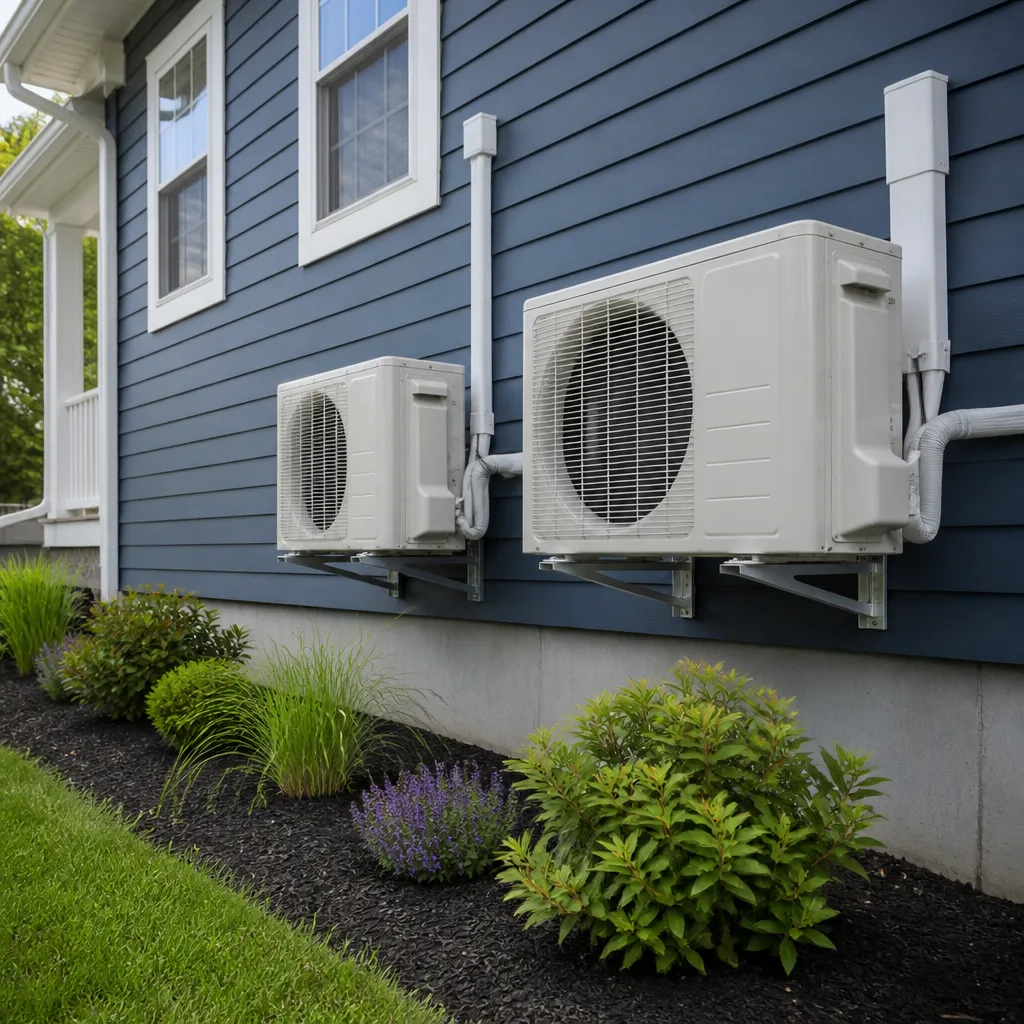 Ductless mini splits
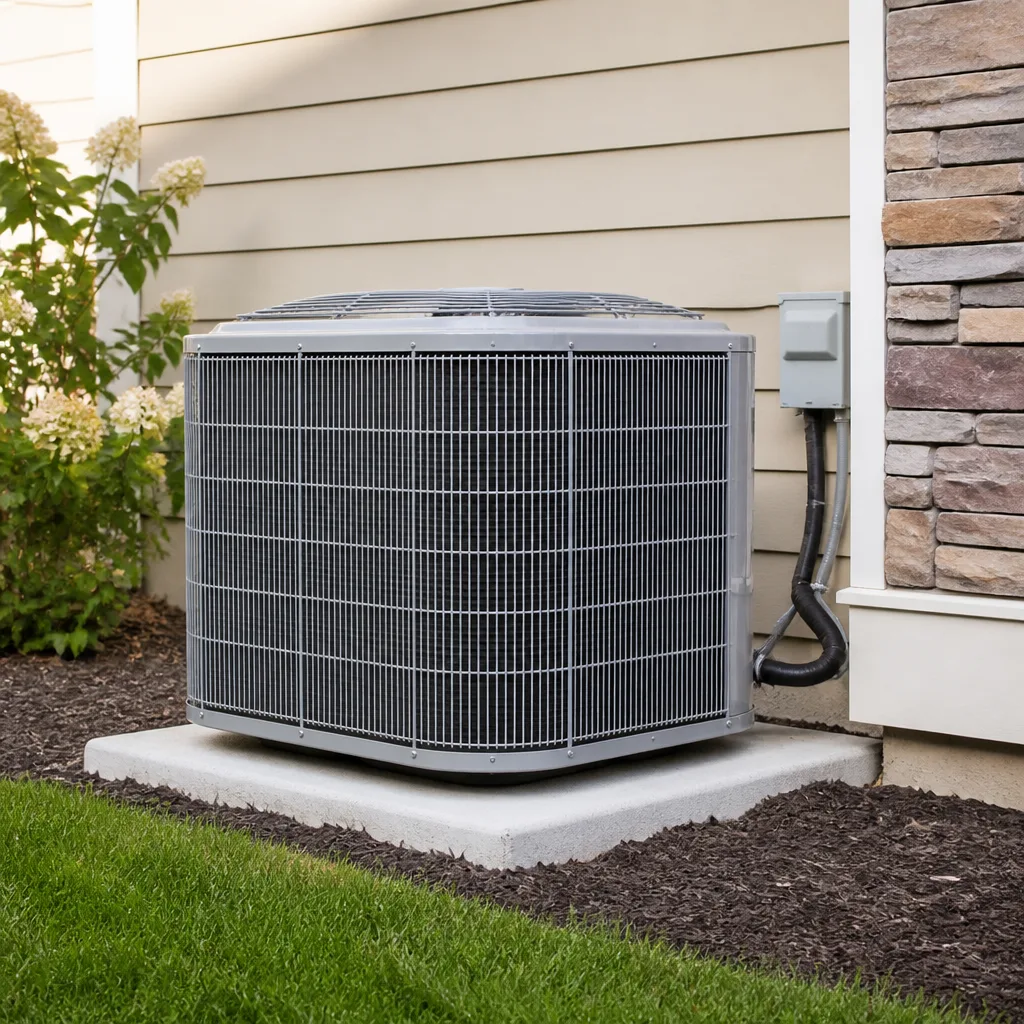 Carrier
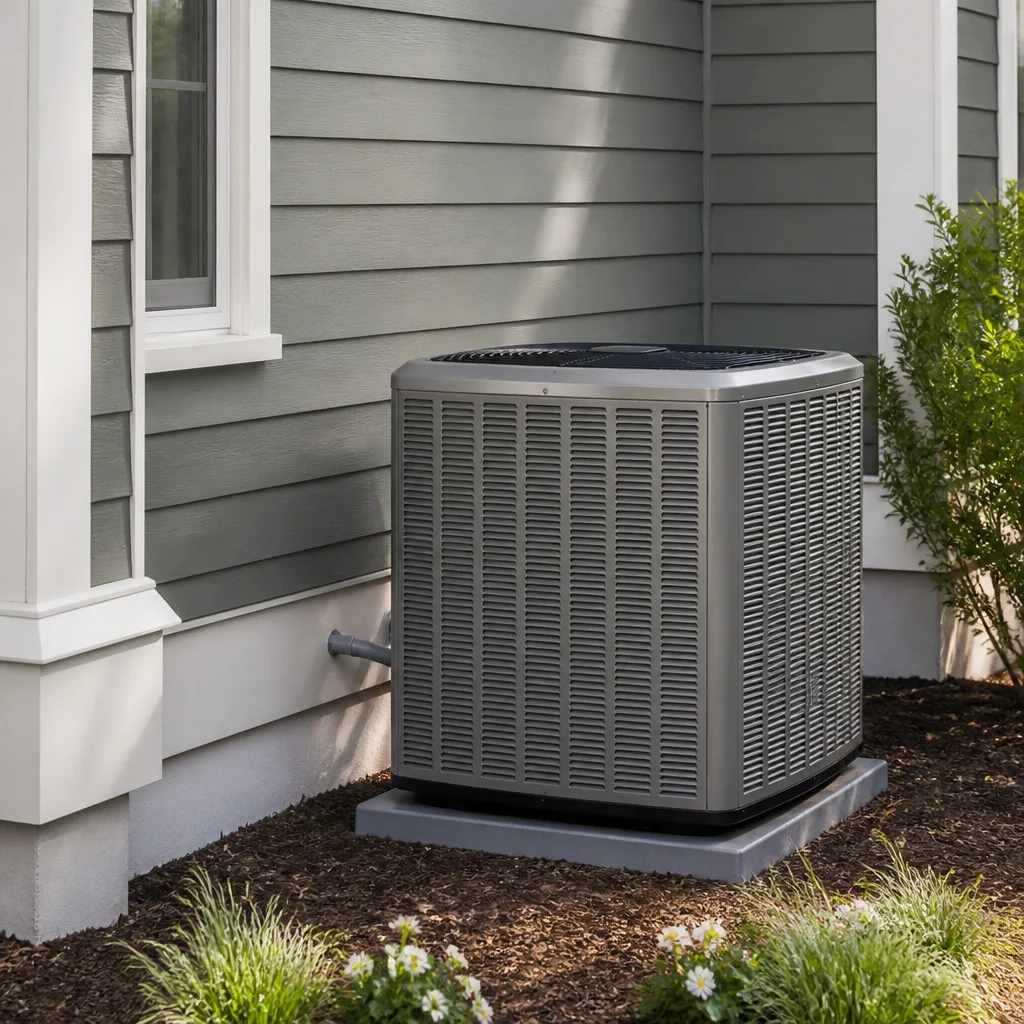 Trane
Trane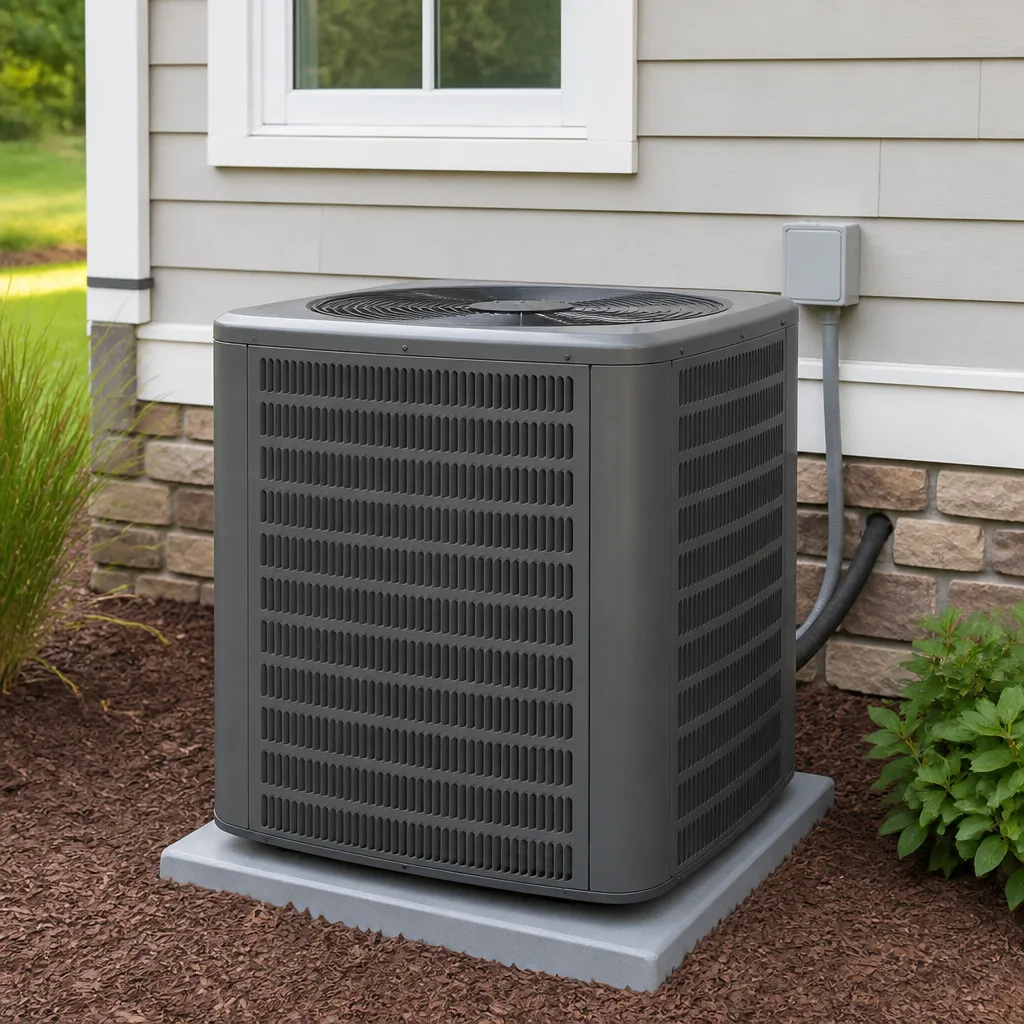 Goodman
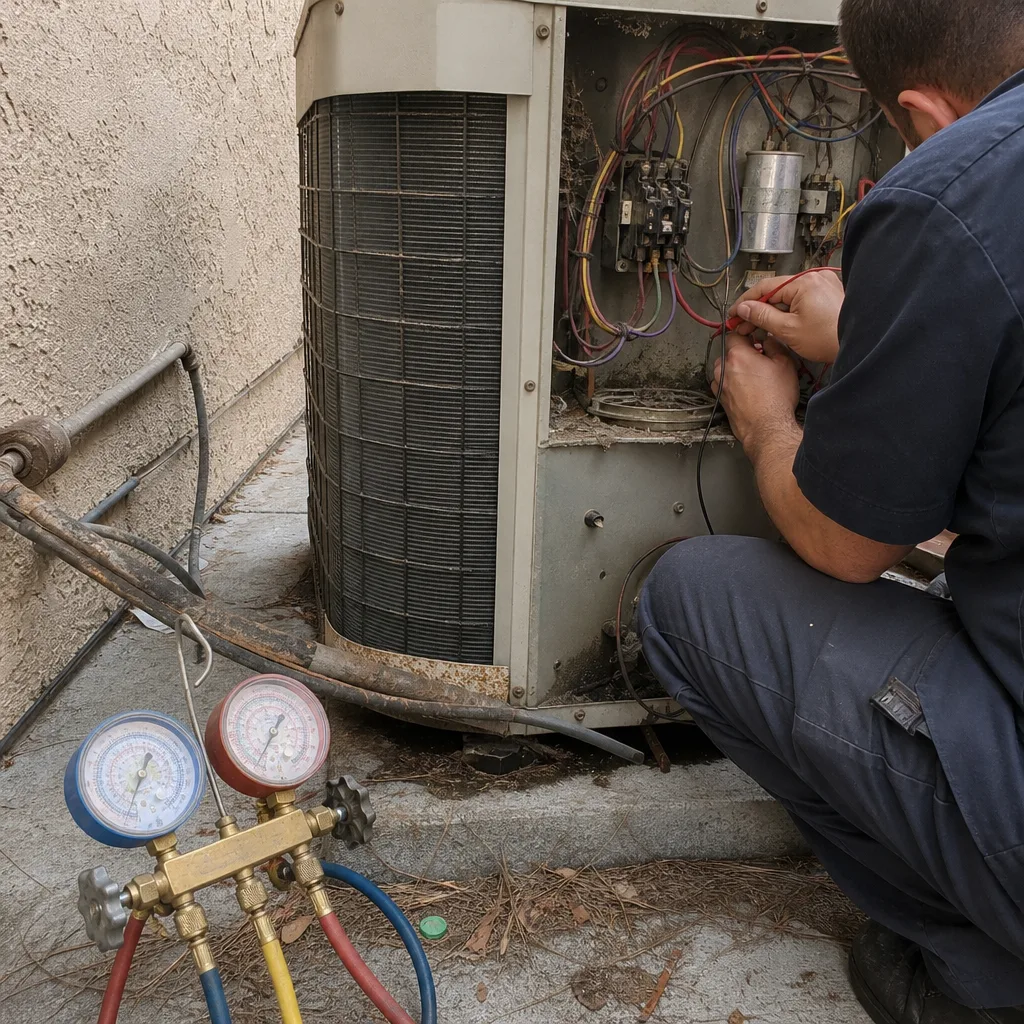
Seasonal tune-up and full diagnostic on your Carrier, Trane, or Goodman system - readings shown to you before any repair is proposed
Diagnosis first, numbers second - you approve the repair price before a single part goes in.
Get your free estimateHVAC Cost Breakdown: The Long Beach Homeowner’s Reference for 2026
National HVAC pricing guides have a blind spot, and it sits right on the coast. The average cost to replace an air conditioner in Long Beach, California is not what you’ll see on a national survey. Between Long Beach’s permit fees, coastal equipment specifications meant to fight salt corrosion, and Southern California labor rates, a job quoted accurately for a Long Beach home can run $800 to $1,500 above what those generic averages suggest. That gap is real, and it’s not a contractor markup. It’s the cost of installing equipment that actually survives in this environment and meets the city’s code requirements. This guide breaks down exactly what you should budget for the four most common HVAC jobs in Long Beach in 2026, line item by line item, so you can read a quote and know what each dollar is buying. Browse more guides & resources for additional homeowner tools.
Quick Answer
In Long Beach, an AC-only replacement in 2026 typically costs $4,500 to $8,200 depending on equipment efficiency and home size, while a full system replacement (air handler plus condenser) runs $8,000 to $14,500. Furnace replacement sits between $3,200 and $6,800. Our Dalton Heating & Air Long Beach home guide below shows exactly where those dollars go, including labor, permits, and disposal fees. The difference between a $6,000 quote and an $11,000 quote for the same job is almost never a scam; it’s equipment tier, installation quality, and whether the permit is actually being pulled.
Styles & brands we work with
Table of Contents
- Why Long Beach Pricing Differs from National Averages
- Itemized Costs: The Four Most Common HVAC Jobs in Long Beach
- Why the Same Unit Costs More Near the Coast
- Equipment Tiers Explained: Builder-Grade vs. Mid-Efficiency vs. High-Efficiency
- How to Read a Written Quote Line by Line
- Repair or Replace: The Real Math for Aging Systems
- Duct Sealing: The Overlooked Cost That Changes Performance
- What to Expect from a Proper Installation in Long Beach
Why Long Beach Pricing Differs from National Averages
National HVAC cost surveys pull data from hundreds of markets and flatten them into one number. That’s useless for anyone actually living in Long Beach. California’s labor market pays technicians more than most of the country: a licensed HVAC installer in Long Beach earns $28 to $42 per hour before benefits, and that cost shows up on your invoice. The city’s building permit for a residential AC replacement typically runs between $150 and $400 depending on the scope of work, and that’s a line item many national guides simply omit. For the full picture, see our guide to HVAC Permits, Codes & Inspections in CA: What You Need to Know. Add in California’s stricter energy code requirements, Title 24 compliance testing that must be done on new installations, and the coastal environment’s effect on equipment longevity, and the real cost to replace a system in Long Beach is not a national average plus a little. It’s a different calculation entirely.
What drives the spread most is not labor rates. It’s what gets installed. In Long Beach, outdoor condenser units face salt air along the coast, meaning a coastal-rated unit or a coil-coating upgrade is not an upsell; it’s the difference between a unit that lasts nine years and one that lasts fourteen. We’ll get into those specifics below. First, the numbers.
Itemized Costs: The Four Most Common HVAC Jobs in Long Beach
Every written HVAC quote should break into four buckets: equipment, labor, materials, and permit/disposal fees. Here are realistic 2026 ranges for Long Beach homes, sized for a typical 1,800 to 2,400 square foot house. These are not national averages. They reflect what we actually see on jobs in neighborhoods from Bixby Knolls to Belmont Shore to Naples.
1. AC-Only Replacement
- Condenser unit (3-ton, mid-efficiency): $2,800 – $4,200
- Labor (8 – 12 hours): $1,100 – $1,900
- Line set, pad, electrical whip, disconnect: $300 – $550
- Refrigerant (if not pre-charged): $150 – $350
- City of Long Beach permit: $150 – $300
- Old unit haul-away and disposal fee: $100 – $200
- Total realistic range: $4,500 – $8,200
This is the right job for a home where the inside coil and furnace or air handler are less than ten years old and still in good shape. If the indoor equipment predates 2012, a condenser-only replacement often leaves efficiency on the table, because the new outdoor unit has to talk to an older inside coil. The mismatch works, usually, but you’re paying for an efficiency rating your system will not actually hit.
2. Full System Replacement (Air Handler Plus Condenser)
- Condenser unit (3-ton): $2,800 – $4,800
- Air handler or evaporator coil: $1,800 – $3,200
- Labor (14 – 20 hours, two technicians): $2,000 – $3,400
- Sheet metal transition, plenum work, sealing: $400 – $800
- Refrigerant: $200 – $450
- Thermostat (if replacement needed): $120 – $350
- City of Long Beach permit: $200 – $400
- Disposal and haul-away: $150 – $300
- Title 24 compliance testing: $150 – $300
- Total realistic range: $8,000 – $14,500
This is the job most Long Beach homeowners eventually need. Replacing both halves at once means the system is matched, the efficiency rating on the label is the efficiency you actually get, and the warranty terms stay intact. Going with a mismatched system, something we see from low-bid contractors, voids part of the manufacturer warranty on many brands, including Lennox and Rheem.
3. Furnace Replacement
- 80% efficiency furnace (builder-grade): $1,600 – $2,400
- 96% efficiency furnace (condensing, with venting changes): $2,800 – $4,400
- Flue and venting modification if upgrading to condensing: $400 – $900
- Labor (8 – 14 hours): $1,000 – $1,800
- Gas line and shutoff verification: $150 – $300
- City of Long Beach permit: $150 – $300
- Total realistic range: $3,200 – $6,800
Long Beach winters are mild, which means furnaces last longer here than in Chicago or Minneapolis, but gas furnaces still end their life between about 15 and 22 years in our climate. When a heat exchanger cracks, the repair is rarely worth it on a furnace that old. We cover this decision math later in the guide.
4. Duct Sealing
- Whole-home duct sealing (aerogel or mastic method): $900 – $2,400
- Duct leakage testing (before and after): $200 – $400
- Individual duct run replacement (per 10 – 12 feet): $350 – $700
- Register and grille resealing (per room): $80 – $160
- Total realistic range for whole-home sealing: $1,100 – $2,800
Most homes in Long Beach leak 15 to 30 percent of conditioned air into the attic. That’s not a guess; it’s what we measure with a duct blaster test before and after sealing. Duct sealing is the least glamorous HVAC cost and often the highest payback per dollar. We’ll dig into that below.
Why the Same Unit Costs More Near the Coast
Take a 3-ton Goodman condenser with a mid-efficiency rating. The wholesale equipment cost is identical whether it’s going into a house in Lakewood or a house in Naples. But the installed price in Naples will legitimately run $300 to $600 higher. Here’s why.
First, the coil coating. Coastal air carries salt. Salt attacks aluminum fins on a condenser coil and shortens the unit’s life by years. A factory-applied coastal coating, or an aftermarket coil guard treatment, adds $200 to $450 to the equipment line. In beach-adjacent Long Beach neighborhoods like Belmont Shore, we do not recommend skipping this. The alternative is a coil that looks like a lace doily in six years. Second, refrigerant line protection. The copper line set that connects the condenser to the air handler runs outside the house on many older Long Beach homes. Near the coast, exposed copper corrodes faster. Wrapping that line in a UV-and-salt-resistant jacket, or replacing sections that have already thinned, adds $100 to $300. Third, the permit cost itself. The City of Long Beach issues permits based on valuation and system type, and the coastal zones within the city can trigger additional review for noise and setback compliance. It’s not dramatic, but it’s real.
An inland home in Bixby Knolls with the same Goodman unit might not need any of the first two upgrades. So when you compare two quotes from two contractors for the “same job,” one of the first questions to ask is: does this price include coastal coil protection, and was the line set inspected?
Equipment Tiers Explained: Builder-Grade vs. Mid-Efficiency vs. High-Efficiency
There are three broad tiers of residential HVAC equipment, and the tier explains more of the price spread between two quotes than almost any other factor. Here is what each tier means in plain terms, what it costs in Long Beach, and what it saves on your Southern California Edison bill.
- Builder-grade (13.4 – 14.3 SEER2). This is the least expensive equipment a builder can legally install in California today. It meets code and nothing more. It cools the house. It is louder, less efficient, and comes with a shorter warranty, typically 5 years on parts. Installed cost for a full system: $8,000 to $10,500. It’s the right call for someone selling a home soon or on a hard budget. For a homeowner planning to stay past 2030, the energy bill difference makes this tier the most expensive long-term choice in most cases.
- Mid-efficiency (15.2 – 17.5 SEER2, single or two-stage). This is the workhorse tier. A two-stage compressor runs at a lower setting on mild days and full capacity on hot ones. Better humidity control, quieter operation, 10-year parts warranty on most Lennox, Goodman, and Rheem equipment. Installed cost for a full system: $10,500 to $13,000. On a Long Beach SCE bill averaging $220 per month in summer cooling season, the efficiency jump from builder-grade typically saves $250 to $400 per year.
- High-efficiency (18 – 22 SEER2, variable-speed). The Cadillac. A variable-speed compressor modulates from about 30 percent capacity to full output, holding indoor temperature within half a degree and barely audible from the yard. Installed cost for a full system: $13,000 to $18,000 or more depending on brand and controls. The payback is longer, 8 to 12 years on energy savings alone, but the comfort difference is real, and if you’re in a larger home, the savings compound faster.
The mistake homeowners make is comparing quotes across tiers without realizing it. A $8,500 quote with builder-grade Goodman equipment and a $12,500 quote with a mid-efficiency Lennox unit are not two prices for the same job. They are two different jobs. The correct question to ask a contractor is not “why are you higher,” but “what tier is this equipment, and what’s the SEER2 rating” The written quote should state it plainly. If it doesn’t, the quote is incomplete.
How to Read a Written Quote Line by Line
A legitimate HVAC quote in Long Beach should not be a single number on a sheet. It should be an itemized list. The following lines appear on most detailed quotes, and here is what each one actually means, and whether you should negotiate it.
- “Equipment” or “system” line: The condenser, air handler, and furnace if included. This is fixed. You can change the tier, but the number is the number. It’s the largest line item and the one most people focus on to the exclusion of everything else. Review it and make sure the brand and model number are stated. A quote that says only “3-ton AC” without a model number is not a quote; it’s a guess.
- “Labor” or “installation labor”: The cost of the crew’s time on your job. This is semi-negotiable only in the sense that a lower labor number usually means less time or less experienced techs. We keep labor separate on our quotes because it forces us to be honest about our time. If a contractor won’t break out labor, you cannot verify what you’re paying for the crew.
- “Disposal fee” or “haul-away”: The cost to remove and properly dispose of the old unit, including any refrigerant recovery, which is federally mandated. Refrigerant must be reclaimed by an EPA-certified technician. Anyone charging less than $100 for disposal is probably not recovering the refrigerant legally. This line is not negotiable in a legitimate shop.
- “Start-up charge” or “commissioning”: The time to fire the system up, check refrigerant pressures, verify airflow, and confirm the unit is running to spec. Scam artists use this line to pad a low equipment price. A reputable company includes start-up in labor. If it’s broken out separately, ask why installation labor doesn’t include turning the system on.
- “Refrigerant per pound”: New systems are pre-charged for a standard line set. If a quote includes extra refrigerant, it’s because the line set run is longer than the factory charge covers. This is legitimate, but it should be quantified with the line set length. Ask to see the measurement. If the answer is vague, tell them to measure it.
- “Permit allowance”: What the contractor has budgeted for the City of Long Beach permit. This is a pass-through cost, not profit. Confirm the permit is actually being pulled. You can verify this with the city yourself. A contractor who offers to skip the permit to save you money is asking you to accept an uninspected, potentially unsafe installation that will be flagged when you sell the home. That is not a savings. That is a liability.
Fixed lines: equipment, permit, disposal. Negotiable lines: almost none, but you can change the equipment tier or brand and the price changes accordingly. The phrase “upfront pricing” is used loosely by a lot of companies in Long Beach. What it should mean in practice is that the written quote you approve is the exact amount you pay. The Garrison Standard, which our AC Repair in Long Beach service operates under, requires the price to be in writing before any work starts, and it holds. That is not a marketing line; it’s the only way we’ve done business since 2003.
Repair or Replace: The Real Math for Aging Systems
This is the question we answer most often in Long Beach: spend $400 on a repair now, or put that money toward a new system? The answer is not age alone. It’s age, part, condition, and what happens if the repair fails. Here is how we do the math, and how you should do it at your kitchen table.
First, the part. A capacitor replacement on a ten-year-old system usually costs $180 to $350. A compressor replacement on a twelve-year-old system costs $2,200 to $3,800, and here’s the part most guides miss: a failed compressor in one half of a mismatched system often destroys the other half within a season or two. That $3,800 repair becomes a $4,000 repair plus the $9,000 replacement you needed anyway. The cost of waiting is not the repair bill. It’s the repair bill plus the replacement bill you deferred onto the same calendar year.
General decision rules we use in Long Beach:
- Under 8 years old and the repair is under $600: Repair. The system has years of life left, and the part is almost certainly the only failure.
- 10 to 14 years old and the repair is under $400: Repair, but start planning. Set aside the replacement fund. The system is in its late innings.
- 10 to 14 years old and the repair is over $1,500 (compressor, coil, heat exchanger): Replace. You’re putting a new engine in a car with 180,000 miles. The math does not work.
- Over 15 years old and anything beyond a capacitor or contactor fails: Replace. Full stop. A 15-year-old system in Long Beach has given you its useful life, and the efficiency on the new unit alone will offset part of the monthly cost difference.
- Selling within 24 months: Repair if under $500, disclose honestly, and let the buyer negotiate. Replacing a system to “add value” almost never returns the full installed cost at sale.
Our Furnace Repair in Long Beach work is guaranteed in writing for a full year. If we repair a part and it fails inside that year, we come back at no charge and make it right. That is what the 365-Day Done Right Promise means, and it changes the repair-versus-replace calculus. A repaired system with a written guarantee is a much better proposition than a repaired system with a 30-day hope.
See the difference
 Before
 After
After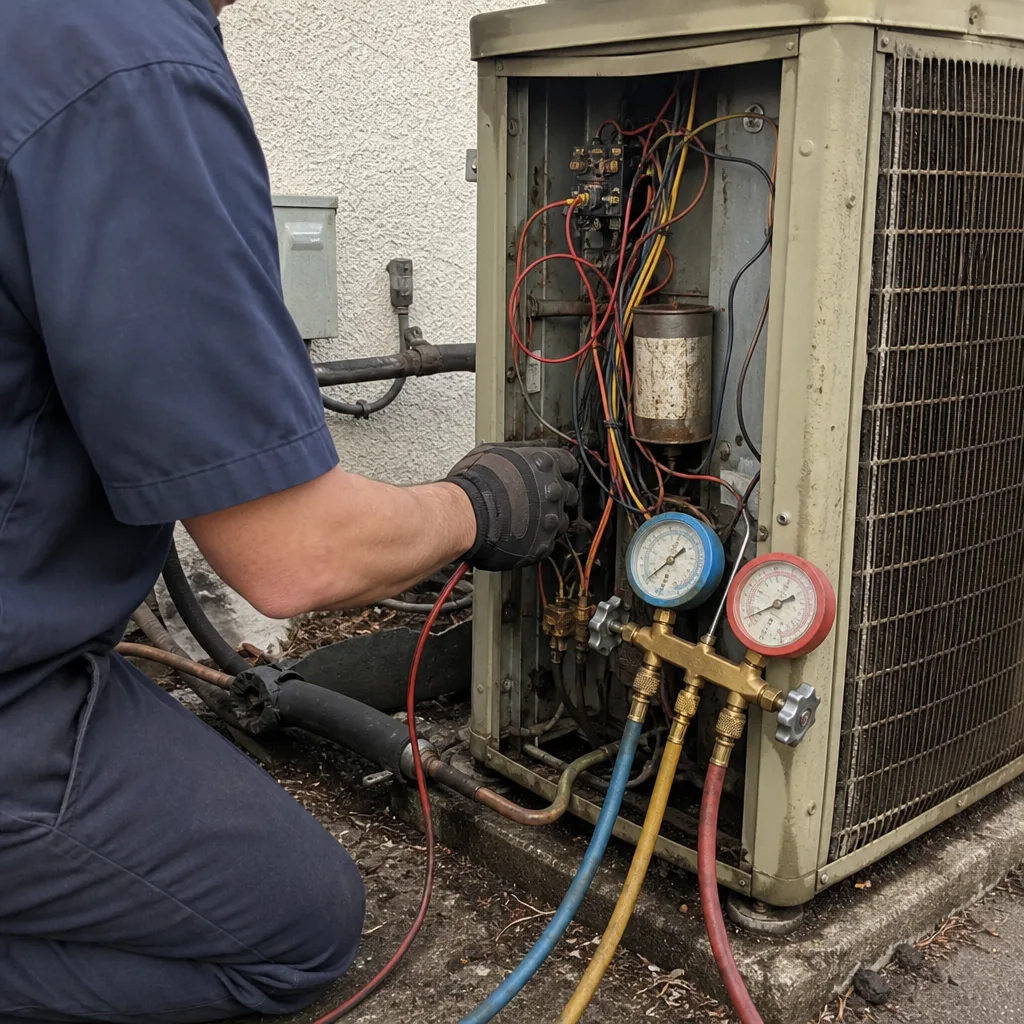 Before
 After
After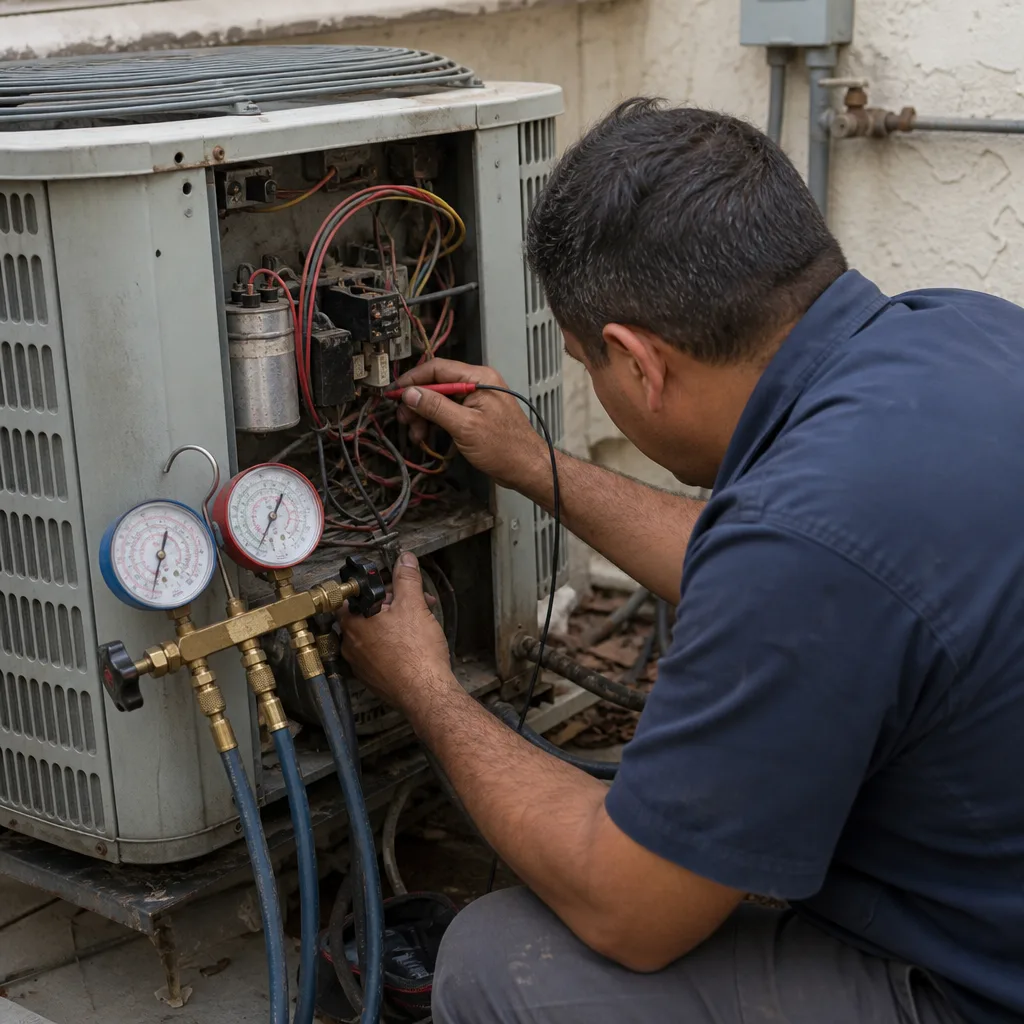 Before
 After
AfterDuct Sealing: The Overlooked Cost That Changes Performance
Here is a number most Long Beach homeowners have never heard: the ducts in the average California home leak about 20 to 30 percent of the air passing through them. In a city where summer highs regularly push into the 80s and 90s, that’s a quarter of your cooling money going into the attic, not the living room. Duct sealing is not an upsell. It’s arguably the highest-return HVAC investment available in Long Beach.
The process is straightforward. A technician runs a duct blaster test to measure leakage in CFM (cubic feet per minute). Then they seal the leaks using a mastic-and-fabric method or an aerosol sealing system that coats the duct interior from inside. Then they run the test again and show you the before-and-after numbers. The whole job takes 4 to 8 hours, costs $1,100 to $2,800 depending on the ductwork condition, and in a house with 25 percent leakage, the energy savings typically pay for the job in 3 to 5 years. Comfort improves immediately, in every room.
There is also a safety angle. Leaky return ducts in an attic can pull in insulation fibers, dust, and whatever else lives up there, and then pump it into bedrooms. Sealing the return side is not just an efficiency play; it’s an indoor air quality fix. If your rooms heat unevenly, your energy bills spike in summer, or your allergies get worse when the AC runs, leaky ducts are the first thing to check.
What to Expect from a Proper Installation in Long Beach
A new HVAC system is only as good as the install. This is the single most common reason a homeowner ends up disappointed with a perfectly good piece of equipment. A sloppy install can lose 10 to 20 percent of the unit’s rated efficiency before it runs a single cooling cycle. Here is what a proper installation looks like, step by step, so you can hold any contractor to it.
- Load calculation, not a guess. The contractor sizes the system using a Manual J calculation based on your home’s square footage, window orientation, insulation, and ceiling height. A 3-ton unit is not automatically right for a 2,000-square-foot Long Beach house. An oversized system short-cycles, leaves humidity in the air, and dies early. If the salesperson sizes by square footage alone and never asks about your windows, thank them and call someone else.
- Duct inspection. Before the new unit goes in, the ductwork gets measured and inspected. If the ducts are leaking or undersized, adding a high-efficiency unit to them is like putting a performance engine in a car with a crimped fuel line.
- Equipment placement and pad. The condenser goes on a level pad, elevated where local drainage requires, with minimum clearance on all sides for airflow. In Long Beach, we see a lot of tight side yards in older neighborhoods like Rose Park. Clearance matters. A unit jammed against a fence loses efficiency and is harder to service.
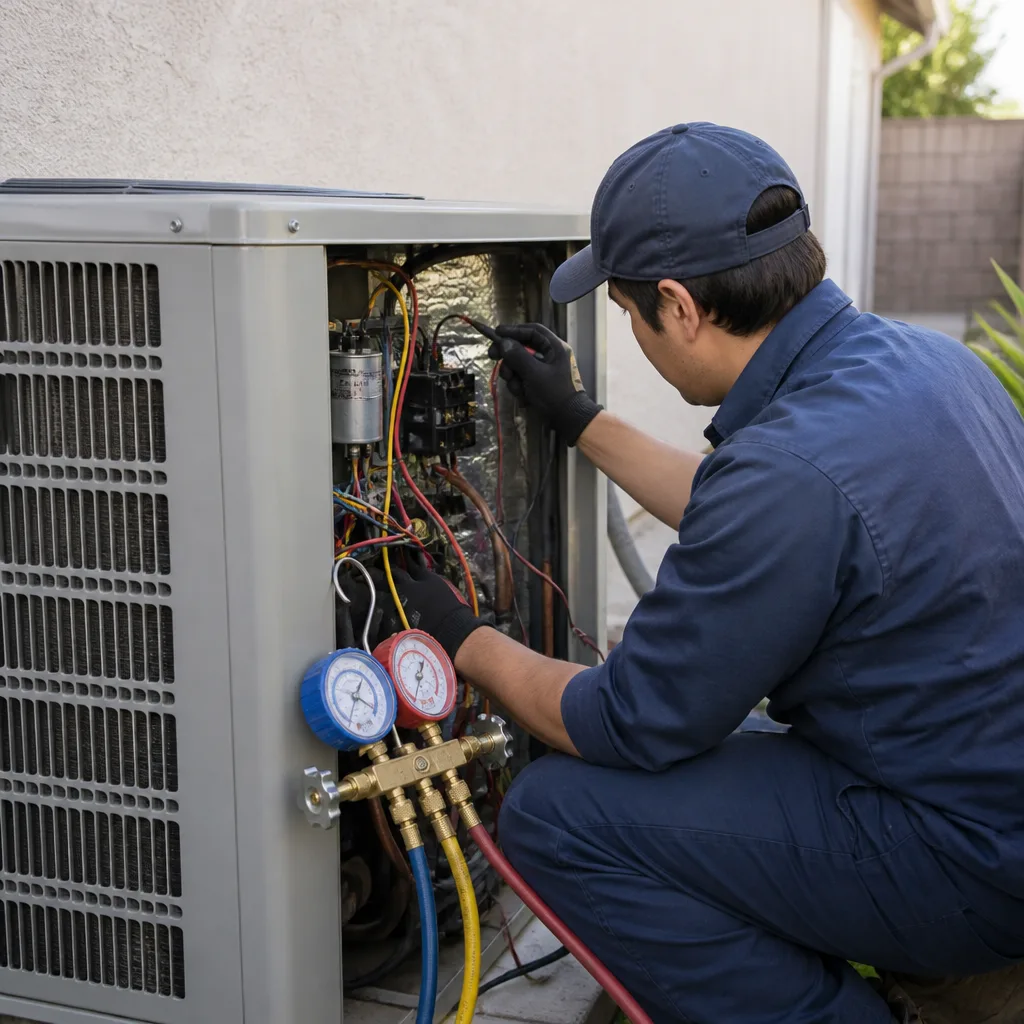
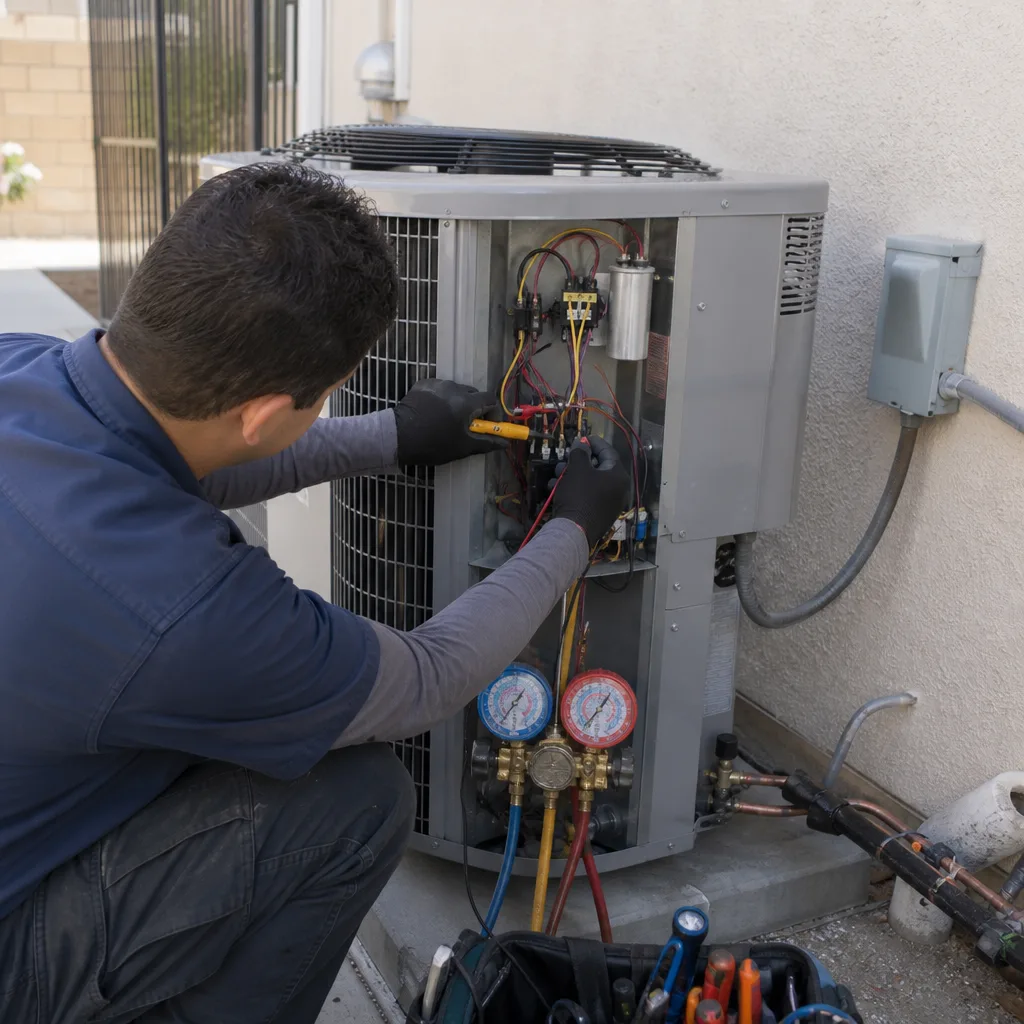
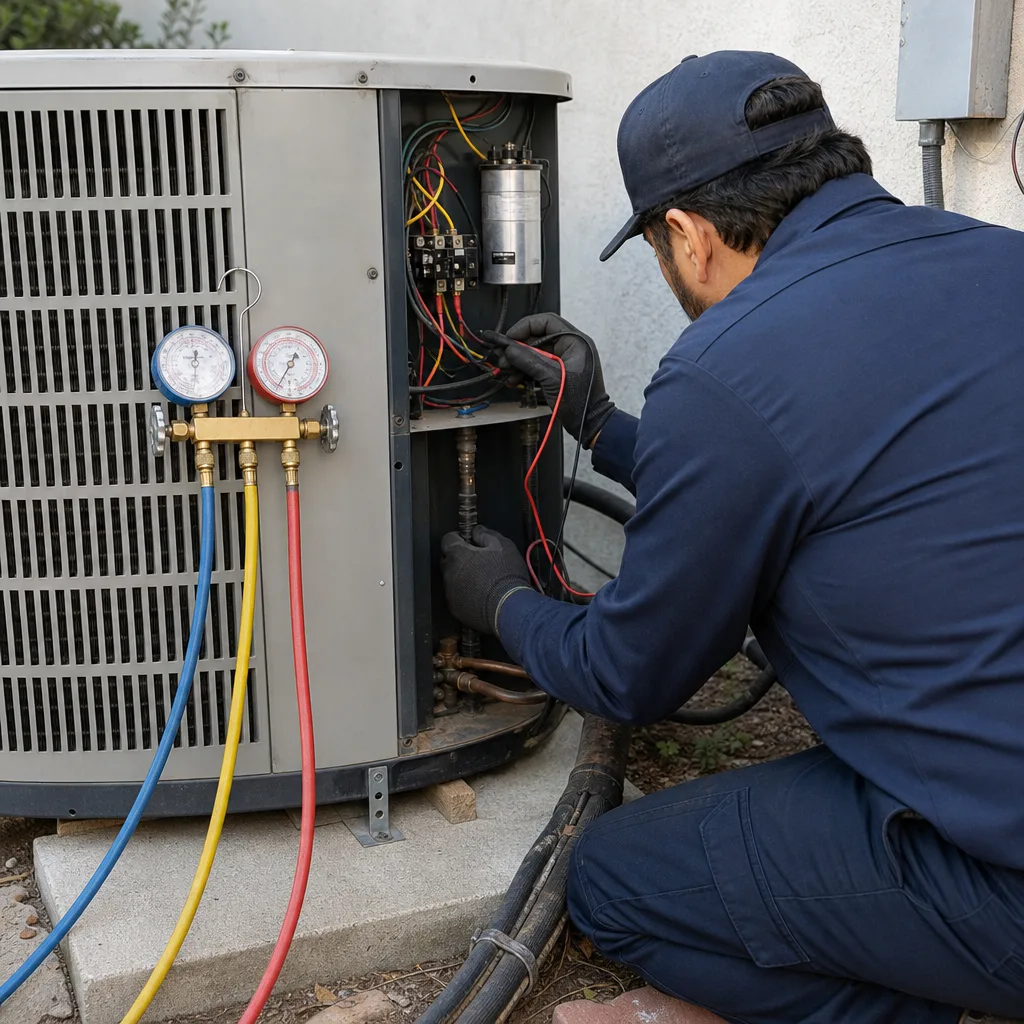
- Proper evacuation and charging. The refrigerant lines get vacuumed down to remove moisture before the system is charged. A tech who skips a deep vacuum leaves moisture in the lines, and that moisture eventually destroys the compressor. This is the step that separates proper installs from quick ones, and you cannot see it with the naked eye.
- Start-up testing and documentation. Refrigerant pressures checked, airflow verified, temperature drop measured, and the readings written down. You get the numbers. If a contractor will not show you the start-up numbers, the install is not done.
- Permit final and Title 24 sign-off. The City of Long Beach inspects the job, and the Title 24 compliance documentation is filed. This is the paper trail that protects you when you sell the house.
A full-system replacement done to this standard takes a day, sometimes a day and a half when the ductwork needs work. Anyone promising a full replacement in four hours is cutting a corner somewhere. The Garrison Code, the operating standard for our Heat Pump Installation in Long Beach work and every other job, is five lines: arrive inside the stated window, price in writing before starting, do the job by the book, leave the site clean, and stand behind the work for a full year. It’s not complicated. It just requires working with people who actually do it.
Common Mistakes to Avoid
- Comparing quotes by total price alone. A $9,000 quote and a $13,000 quote are not comparable until you confirm equipment tier, brand, permit inclusion, and whether coastal protection is in the scope. Compare the line items, not the bottom line.
- Assuming “same day” means a better deal. For replacement work, a proper install involves load calculation, permit pulling, and equipment ordering. Anyone who can do a full system replacement same-day in Long Beach with a permit is either lying about the permit or pre-installed the unit in someone else’s house.
- Deferring a $350 repair. A failing capacitor or contactor puts strain on the compressor. That $350 deferral becomes a $2,500 compressor replacement when the system finally gives up in August. The math is not close.
- Skipping the permit. The City of Long Beach permit costs a few hundred dollars and protects you from uninspected electrical and gas work. An unpermitted install can stall a home sale and void your homeowner’s insurance claim if the work causes a fire.
- Ignoring the ductwork. Installing a high-efficiency system on leaking ducts is the most common way Long Beach homeowners spend $14,000 and see almost no change on their energy bill. Test and seal the ducts, or the new unit is running at 70 percent of its rated performance.
- Buying the biggest unit that fits. Oversized systems short-cycle, which means they turn on and off constantly instead of running steadily. That kills efficiency, wears out parts, and leaves the air humid. Bigger is not better in HVAC. Correct is better.
- Not confirming the guarantee in writing. A verbal promise is worthless. The guarantee should be a written line item on the work order, stating the coverage period and the terms. If it is not in writing, assume it does not exist.
When to Call a Professional
Any time a system is making a new noise, short-cycling, blowing warm air, or showing a frozen coil, shut it down and call someone who can diagnose the problem before it becomes a replacement. For a full checklist of symptoms, see HVAC Warning Signs: A Long Beach Homeowner’s Reference Guide. Electrical work inside a condenser, refrigerant handling, and gas furnace repairs are not DIY projects. Refrigerant is federally regulated, condenser capacitors hold a charge even with power off, and a cracked heat exchanger can put carbon monoxide into a Long Beach living room. These are not the jobs for a YouTube tutorial. Dalton Heating & Air Long Beach offers free estimates in Long Beach. Call (562) 512-7423, and we will send a background-checked technician who puts the diagnosis in writing before any repair starts.
Frequently Asked Questions
A full system replacement, meaning a new condenser and air handler matched as a pair, runs $8,000 to $14,500 in Long Beach depending on equipment tier, ductwork condition, and coastal protection requirements. The range accounts for a builder-grade Goodman system at the low end up to a variable-speed Lennox or Rheem system at the high end, including a City of Long Beach permit. Call (562) 512-7423 for an exact written quote on your home, and you will get a line-item price before any work starts.
Quotes vary because contractors are comparing different tiers of equipment, different installation standards, and different scopes of work. A low bid typically omits the permit, uses builder-grade equipment, skips coastal coil coating near the beach, and does not include duct inspection or start-up documentation. The higher bid usually includes these. Compare the line items side by side before deciding which contractor is actually more expensive.
If the system is under 8 years old and the repair is under $600, repair it. If the system is over 15 years old and the repair is beyond a capacitor or contactor, replace it. Systems between 10 and 14 years old fall on a case-by-case line, but the determining factor is usually whether the repair exceeds $1,500 or involves the compressor or coil. A written one-year guarantee on the repair changes the math, because a repaired system under guarantee is a known quantity.
A residential HVAC permit in Long Beach typically costs $150 to $400 depending on the scope of the work, whether it’s a condenser replacement or a full system with furnace and electrical changes. The permit is a pass-through cost on the quote, not a contractor markup. Always confirm the permit is actually being pulled and that the job will be inspected by the city.
Yes, coastal neighborhoods like Belmont Shore and Naples should get a factory-applied coil coating or coastal coil protection on the outdoor condenser. Salt air corrodes standard aluminum fins faster, shortening the unit’s life by several years. The upgrade adds $200 to $450 to the equipment line, and it’s worth every dollar within two miles of the beach.
A proper full-system installation takes one full day, sometimes a day and a half when ductwork sealing or line set replacement is needed. The day includes equipment placement, evacuation, charging, start-up testing, and leaving the site clean. Any company claiming to do a permitted full replacement in four hours is skipping a step, and that skipped step usually costs you later. Call (562) 512-7423 for an honest time estimate on your specific home.
The Bottom Line
HVAC pricing in Long Beach is not obscure because the industry is mysterious. It’s obscure because most published pricing ignores the local variables that actually move the number: coastal corrosion, city permit fees, California labor rates, and the condition of the ductwork the new system will breathe through. A new full system costs $8,000 to $14,500 in Long Beach in 2026, and the spread is determined by equipment tier and install quality more than by contractor greed. Get every quote in writing, with line items, a model number, a permit allowance, and a written guarantee. That is how you stop guessing and start comparing apples to apples. And when the work is done, it should hold up for a full year. That is the standard, and it’s the only one we’ve worked under since 2003.
Written by Marco Benitez, Owner at Dalton Heating & Air Long Beach, serving Long Beach since 2003.