
Last updated October 16, 2026
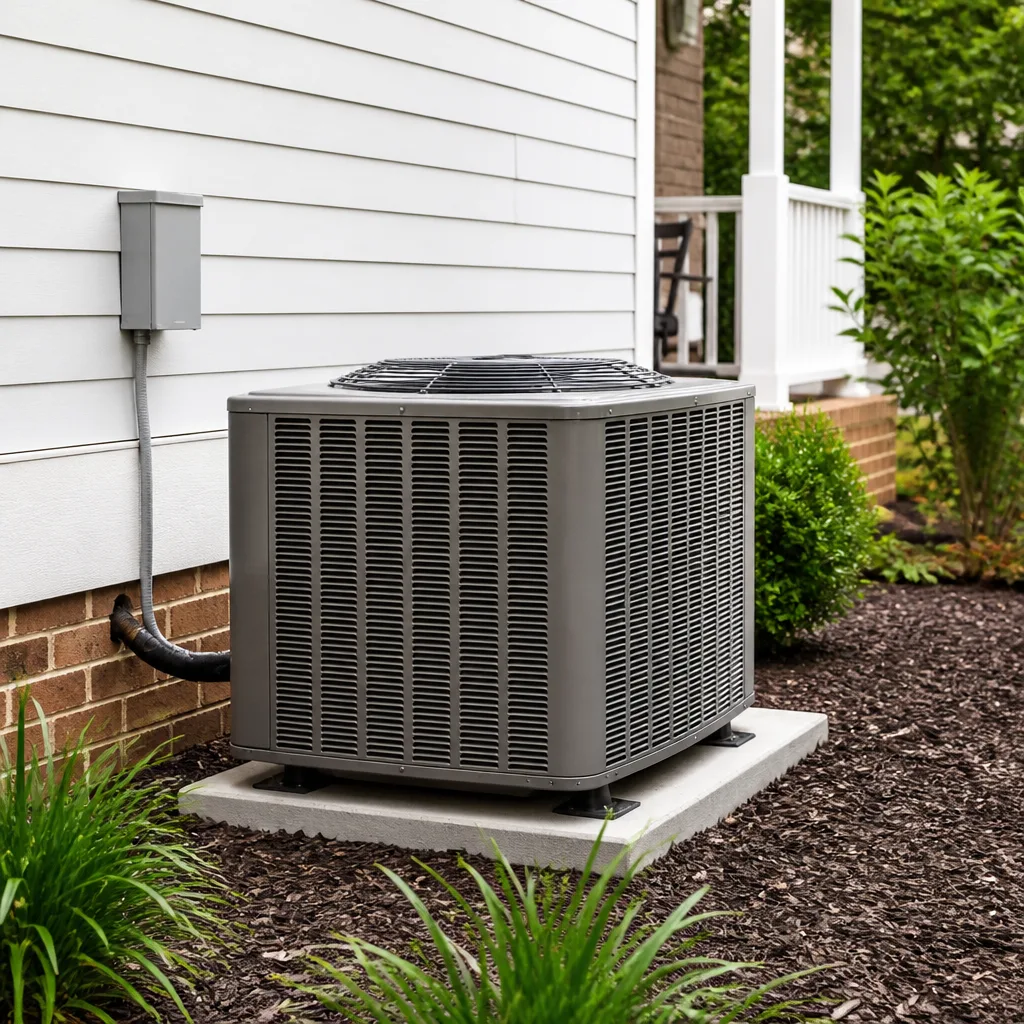 AC repair
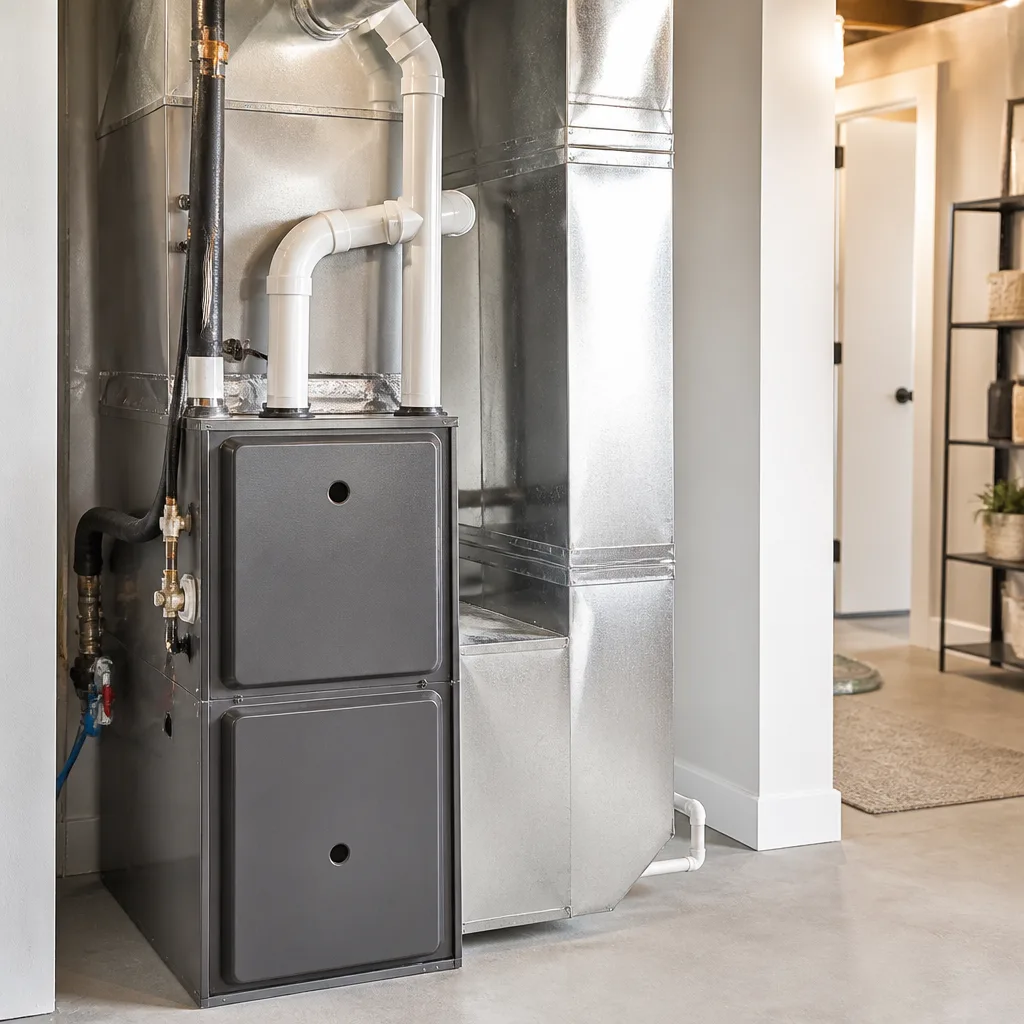 Furnace & heating
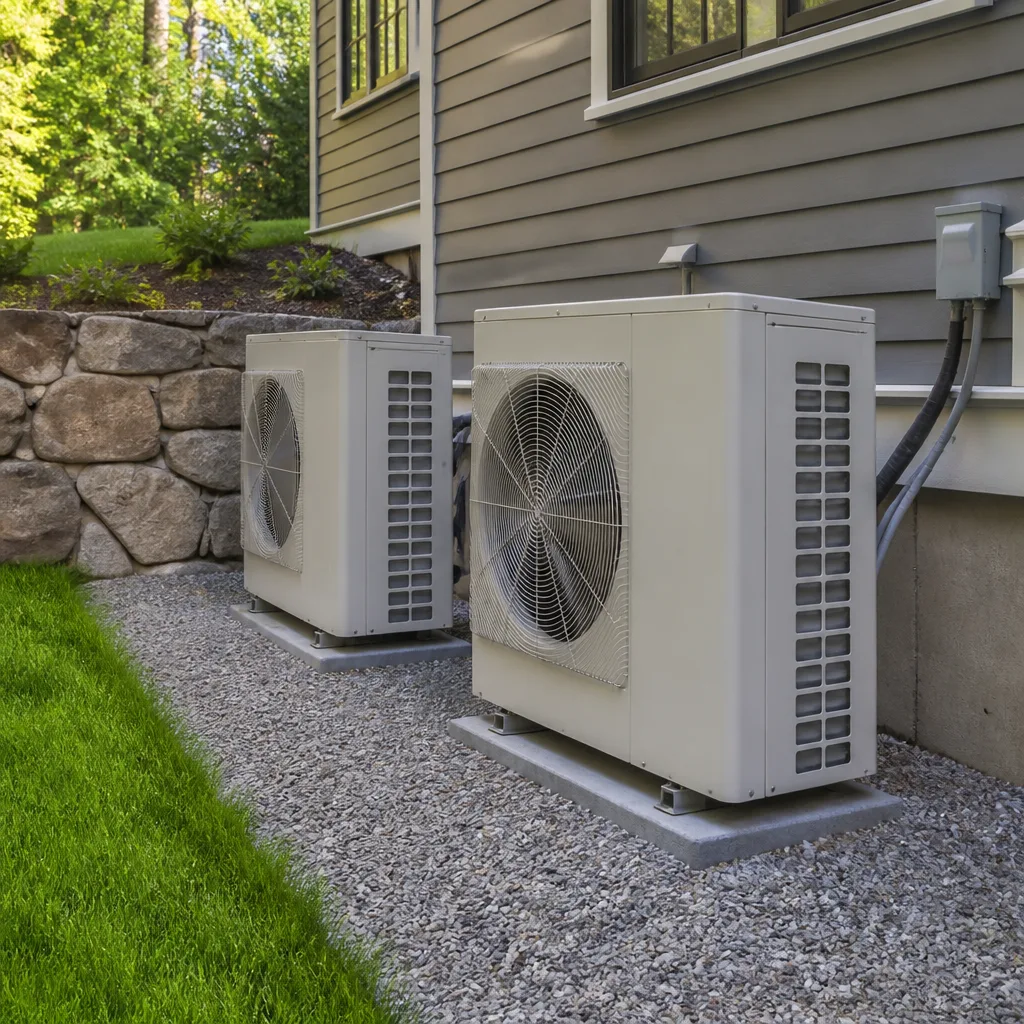 Heat pumps
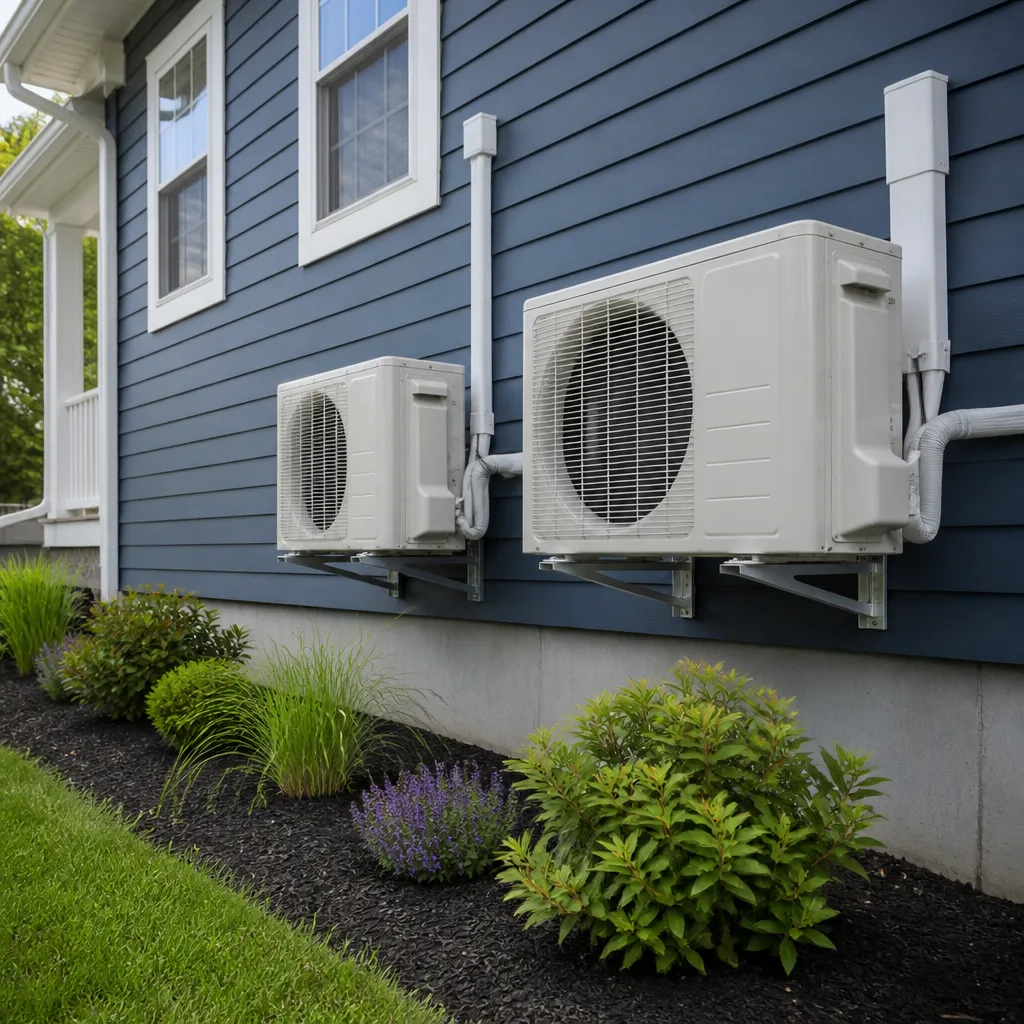 Ductless mini splits
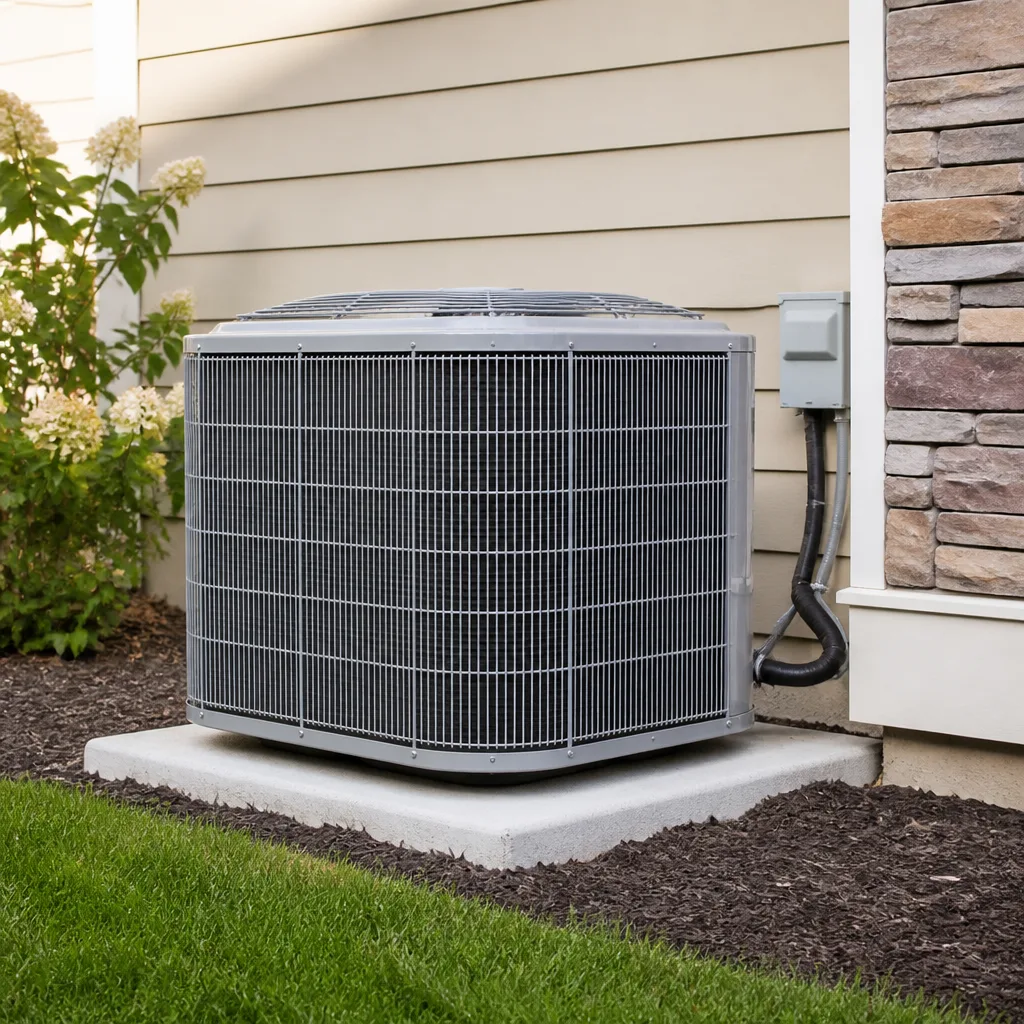 Carrier
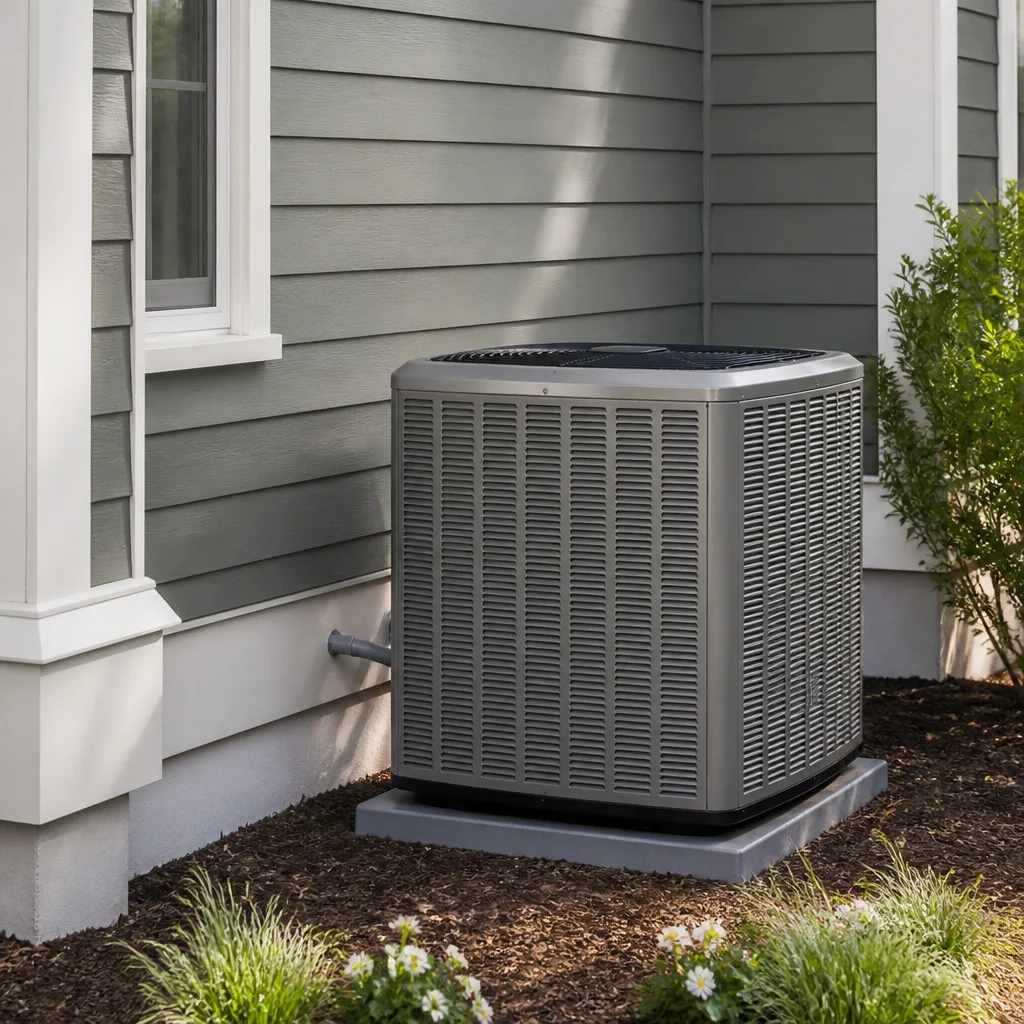 Trane
Trane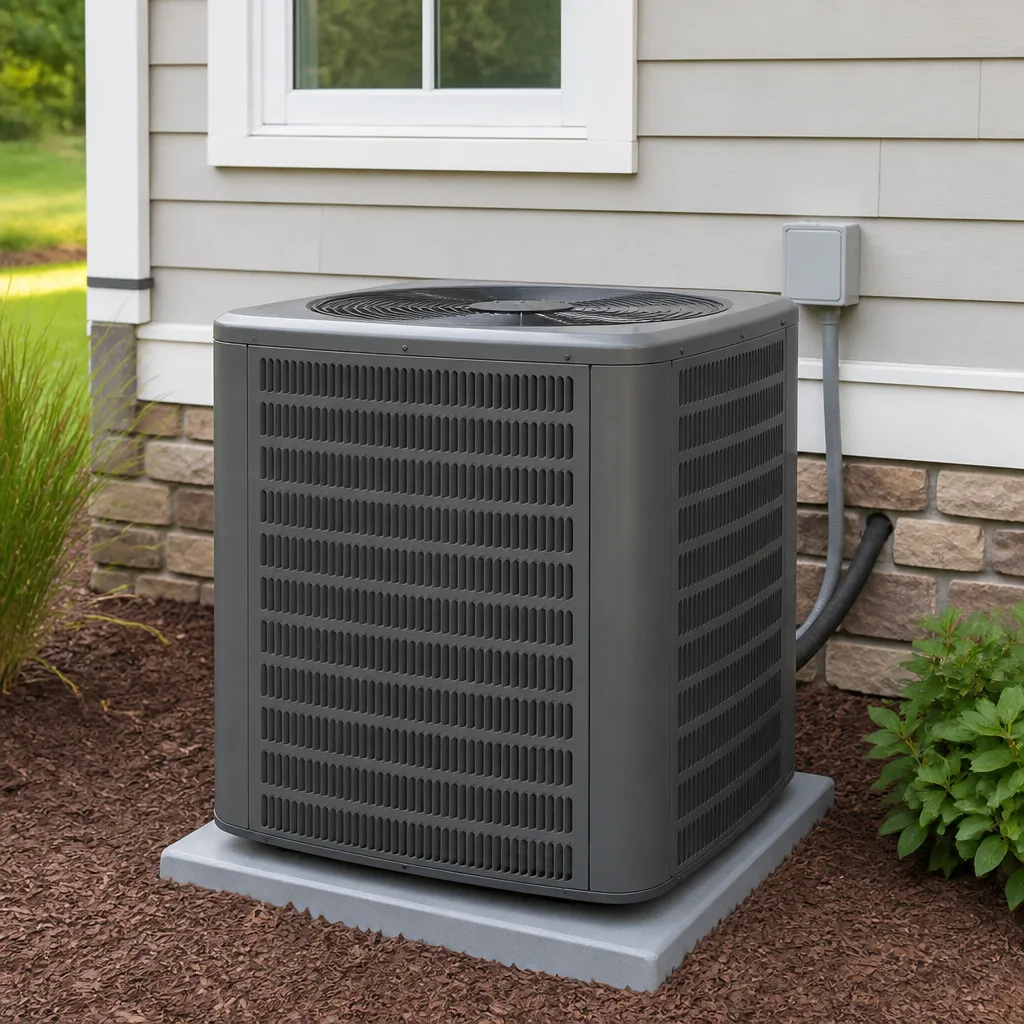 Goodman
Seasonal tune-up and full diagnostic on your Carrier, Trane, or Goodman system - readings shown to you before any repair is proposed
Diagnosis first, numbers second - you approve the repair price before a single part goes in.
Get your free estimateSeasonal HVAC Care for Long Beach: Year-Round Homeowner’s Guide
Here’s what surprises most Long Beach homeowners: the standard “spring AC tune-up, fall furnace check” calendar was built for places with actual seasons. Long Beach doesn’t have four equal seasons. We have a short, intense cooling season, a mild winter with occasional cold snaps, and a marine humidity layer that works on your equipment from March through November. If you’re following conventional seasonal advice, you’re routinely six to eight weeks late on the work that actually matters for this climate. This guide rebuilds the maintenance calendar around what happens in Long Beach specifically: coastal fog, Santa Ana winds, salt air, and equipment that spends most of its life cycling lightly rather than running hard. For a broader overview, see The Complete Guide to HVAC in Long Beach.
Styles & brands we work with
Quick Answer
Seasonal HVAC care in Long Beach means shifting your maintenance schedule earlier than the national norm: coil cleaning and cooling checks in March and April, filter replacement driven by Santa Ana events and marine-layer humidity rather than calendar dates, and furnace inspection in October when it’s still warm enough to fix anything without urgency. Not sure whether to tackle tasks yourself or hire a pro? Read our DIY vs Professional HVAC: The Long Beach Homeowner’s Decision Guide. The marine layer creates a seven-to-eight-month humidity stress period that generic seasonal schedules simply don’t account for. Expect to spend roughly $350 – $550 per year on professional maintenance across both systems, which is cheaper than a single unplanned repair on most units.
Table of Contents
- Why Long Beach’s Climate Breaks Standard Seasonal Advice
- The Long Beach Month-by-Month HVAC Calendar
- Santa Ana Winds: Filter Care Most Homeowners Miss
- Shoulder Season and Heat Pumps: Where Efficiency Peaks
- Summer Prep Before the June Marine Layer
- How Long Beach Furnaces Age Differently
- What Seasonal Maintenance Costs in Long Beach
- Common Mistakes to Avoid
- When to Call a Professional
- Frequently Asked Questions
- The Bottom Line
Why Long Beach’s Climate Breaks Standard Seasonal Advice
Long Beach sits in a narrow coastal band where the Pacific Ocean does the heavy lifting for temperature control. Summer highs average in the low 80s. Winter lows rarely dip below the mid-40s. That sounds easy on HVAC equipment, and in some ways it is. But the same marine influence that keeps temperatures moderate also delivers persistent morning fog, afternoon humidity, and salt-laden air that national maintenance schedules never mention.
The marine layer is the core issue. From March through November, Long Beach wakes up under low cloud cover that burns off by late morning. That fog isn’t just water vapor. It carries fine salt particles and moisture that settle on outdoor condenser coils. When your AC runs in the afternoon, that moisture combines with dust and salt to form a film on the coil. Left unchecked, that film reduces heat transfer efficiency by anywhere from 5 to 15 percent. Your system works harder. Your electric bill climbs. And the compressor runs hotter than it should.
Standard national advice says to have your AC checked in late spring. In Long Beach, that advice arrives after the marine layer has already been depositing salt and moisture on your coil for two months. We’ve pulled apart condenser units in May that look like they spent a year near the beach, because effectively, they did.
Then there’s the humidity angle. Long Beach’s average relative humidity runs 65 to 75 percent through the summer months. That’s not the oppressive humidity of the Gulf Coast, but it’s enough to keep your evaporator coil damp for extended periods. A damp coil is a breeding surface for biological growth, which restricts airflow and pushes musty, stale air through your ducts. Homeowners who follow a desert-climate maintenance calendar never address this because a dry coil doesn’t grow anything. Ours does.
The takeaway: Long Beach is a coastal marine climate, and it demands a coastal marine maintenance calendar. The national generic schedule is the wrong tool for the job. Our Dalton Heating & Air Long Beach home base gives us a front-row seat to what this climate does to equipment. We see it every week.
The Long Beach Month-by-Month HVAC Calendar
Here’s the calendar rebuilt around Long Beach’s actual climate patterns. This is what we follow when servicing homes from Belmont Shore to Bixby Knolls to Los Altos. For a printable version, see our AC Repair Maintenance Checklist for Long Beach Homeowners.
January – February: Light-Touch Months
Your cooling system is mostly dormant. Your furnace, if you have one, is doing brief morning work on the coldest days. The main task here is simple: check your filter. Long Beach’s winter is mild, but furnaces still cycle occasionally, and any running system pulls air through the filter. A clogged filter in January doesn’t feel urgent because the system isn’t working hard. That’s exactly when neglect starts.
What to do:
- Check the filter on the first weekend of each month. If you can’t see light through it, replace it.
- Walk around your outdoor condenser unit. Clear away any fallen leaves, debris, or items stored against it.
- Listen for unusual sounds when the heat runs. A rattling furnace in January is a minor fix. The same issue in November is a panic call.
March: Early Cooling Prep
This is the month Long Beach homeowners should begin cooling-season prep, not May. The marine layer is building strength, and by late March your AC will likely cycle for the first time. Before that first serious run, the coil needs to be clean and the system should be inspected.
Tasks:
- Schedule a professional cooling inspection. This should include coil cleaning, refrigerant level check, and a capacitor test.
- Replace the filter with a new one rated MERV 8 to 11 for the upcoming high-use months.
- Check your thermostat schedule. March in Long Beach has wide temperature swings, so a programmable schedule will pay off.
- Inspect visible ductwork in attics or crawl spaces for gaps or disconnected sections.
April: The Critical Window
April is the sweet spot for cooling maintenance in Long Beach. It’s warm enough that a technician can test the system under real load, but not so warm that finding a problem means a miserable wait. By April, the marine layer is fully established, and any coil cleaning done now gives you maximum clean-run time heading into peak season.
If you do one professional maintenance visit per year for your AC, make it April. If you missed March, April still works. May is already late for Long Beach because the first real heat events can arrive by Memorial Day.
May: Final Cooling Fine-Tune
By May, your system should be maintained and running correctly. This month is about verification and adjustment:
- Run the AC for 30 minutes on a warm afternoon. Confirm it reaches set temperature without short-cycling.
- Check all supply registers. Feel for consistent airflow from each one.
- Inspect the condensate drain line. Pour a cup of white vinegar into the line to clear any early biological growth.
- Set your thermostat differential to no more than 2 degrees between cooling and heating setpoints.
June – August: Peak Cooling Season
These are the months your AC earns its keep. Long Beach’s summer is warm, not scorching, but with humidity levels routinely above 65 percent, the system handles a substantial latent load, which means moisture removal, not just temperature drop. During these months:
- Check the filter monthly. Marine air means more particulates than inland locations.
- Keep the condenser area clear. Trim any plant growth within 2 feet of the unit.
- Listen for changes in system sound. A new buzz, rattle, or hiss is worth investigating before it becomes a failure.
- If you notice humidity rising indoors even though temperature is holding, call for service. That’s a drainage or airflow issue, not just weather.
September: Post-Season Assessment
September in Long Beach is often the hottest month of the year. Late-summer heat events combined with established marine humidity create peak load. This is also when systems that have been limping along finally reveal themselves. After Labor Day:
- Complete any deferred cooling repairs while the weather still demands cooling. Waiting until next spring means forgetting entirely.
- Schedule a post-season inspection if your system worked hard all summer. A small refrigerant leak found in September is a straightforward fix. The same leak in March means your system was leaking all winter.
- Begin furnace or heat pump heating-side inspection scheduling. Don’t wait for the first cold snap.
October: Heating System Check
This is the month for Furnace Repair in Long Beach prep if you have a gas furnace. October is warm enough that any needed repair is not an emergency, but cool enough that testing the heat actually means the system has to work. A furnace that sits idle from April through October has had months for dust to settle, for small cracks in the heat exchanger to develop undetected, and for the ignitor to degrade.
Schedule the professional heating inspection in October. By November, every HVAC company in Long Beach is booked solid with no-heat calls.
November – December: Mild Winter, Real Maintenance
Long Beach’s winter is not harsh, but furnaces do run on the coldest mornings. More importantly, these months are the ideal time for deferred maintenance on the cooling side. Contractors have availability. Parts are in stock. Pricing is stable. And crucially, any work done now means your AC is ready before the marine layer returns in March.
Tasks:
- Replace the filter on schedule even if the system runs lightly.
- Cover the outdoor condenser (using a breathable cover, not plastic) if you live within a few blocks of the beach to reduce off-season salt exposure.
- Review the year’s energy bills. A 10 to 15 percent increase with no change in usage patterns suggests an efficiency problem worth investigating.
Santa Ana Winds: Filter Care Most Homeowners Miss
Every fall, Long Beach gets hit with Santa Ana wind events. These dry, hot winds blow from the inland deserts toward the coast, sweeping dust, pollen, and fine particulate matter through every neighborhood. A single strong Santa Ana event can deposit more grit on your air filter in 48 hours than an entire month of normal coastal operation.
Here’s what that means practically: your filter’s rated lifespan assumes normal particulate load. During a Santa Ana event, that assumption goes out the window. We’ve seen filters that were installed fresh in early September look like they were pulled from a construction site after one strong wind event in late October.
The right protocol after a Santa Ana event:
- Wait 24 hours after the winds die down. Particulate remains suspended in the air for hours after the gusts stop.
- Check the filter. Hold it up to a light source. If light transmission is visibly reduced, replace it regardless of how new it is.
- Check the outdoor condenser. Santa Ana winds knock leaves, palm fronds, and debris into the coil fins. Clear anything visible.
- If your home has a whole-house fan or attic ventilator, check its intake for wind-driven debris.
The particulate load during a Santa Ana event runs 3 to 5 times normal operating conditions, sometimes more if there’s wildfire smoke involved. A filter that would normally last 90 days might need replacement after a single strong event. Forgetting this is how systems end up running against high static pressure, which reduces airflow, strains the blower motor, and drives up cooling costs even after the winds have passed.
Shoulder Season and Heat Pumps: Where Efficiency Peaks
If you own a heat pump in Long Beach, the shoulder seasons are your efficiency sweet spot. Unlike a traditional furnace plus AC split, a heat pump doesn’t burn fuel to create heat. It moves heat from one place to another. In moderate temperatures, that process is extraordinarily efficient, often delivering 3 to 4 units of heat for every unit of electricity consumed.
Long Beach’s shoulder seasons, roughly March to May and October to November, sit almost exactly in the temperature band where heat pumps hit their efficiency peak. This matters for two reasons. First, it means your heating and cooling costs during these months should be noticeably lower than a gas furnace’s equivalent. Second, it means you can use your thermostat schedule to maximize that efficiency without any sacrifice in comfort.
The strategy we recommend for heat pump owners in Long Beach:
- Set the system to use the heat pump exclusively during the shoulder seasons. Don’t run any auxiliary or backup heat strips unless outdoor temperatures drop below the mid-40s.
- Use a 2 to 4 degree setback at night during spring and fall. In this temperature band, recovery time is short, and the efficiency gains are real.
- Switch the system to cooling or heating mode based on the day’s forecast, not the calendar. Long Beach spring days can swing from 55-degree mornings to 80-degree afternoons.
- Avoid running the heat pump in continuous fan mode. Constant airflow prevents the coil from resting and reduces dehumidification efficiency.
If you’re considering Heat Pump Installation in Long Beach, the climate here is about as favorable as it gets for this technology. Heat pumps thrive in moderate coastal climates, which describes Long Beach perfectly. The mild winter means the system almost never needs backup heat, and the marine-layer summer means the cooling load stays within a comfortable range for a properly sized unit.
Summer Prep Before the June Marine Layer
There’s a mistake we see every year that’s specific to Long Beach’s climate: homeowners schedule coil cleaning and AC maintenance in June, right as the marine layer is stabilizing and peak cooling demand is beginning. The problem is timing. A coil that’s cleaned in early June has already spent March, April, and May accumulating marine-layer salt film. You’re cleaning the coil and then immediately stressing it with summer’s highest loads, which means the system runs hardest exactly when the coil is least efficient.
The correct sequence for Long Beach:
- Coil cleaning should happen in March or early April, before the marine layer deposits its spring load of salt and moisture.
- After cleaning, the system gets two or three months of moderate use, which allows the coil to establish proper thermal performance before peak season.
- By June, the system is already running at full efficiency, and summer simply becomes an exercise in maintaining it.
This timing difference matters. A coil cleaned in April will typically hold reasonable efficiency through August. A coil cleaned in June may already show measurable efficiency loss by Labor Day. The cleaning isn’t less effective. It’s just starting from a worse position.
For homeowners who want to handle the basics themselves, here’s what pre-June prep looks like:
- Inspect the outdoor coil by eye. If it looks matted, gray, or has visible debris between the fins, it needs professional cleaning.
- Clear at least 24 inches of clearance around the condenser unit on all sides.
- Replace the filter with a fresh one before the first sustained heat event, not after it.
- Check the thermostat’s temperature differential settings. A 1-degree differential will cycle the system more often, which in humid marine air actually improves dehumidification.
One more note: if your outdoor unit is within a half-mile of the ocean, the salt exposure is materially worse than even a mile or two inland. Homes in Belmont Shore, Naples, and the Peninsula should expect to clean coils more often than homes in Los Altos or Bixby Knolls. Salt film forms faster closer to the water, and it’s more corrosive. We factor this into how we schedule maintenance for coastal Long Beach customers.
How Long Beach Furnaces Age Differently
A gas furnace in Long Beach runs maybe 30 to 40 days per year. The same furnace in Minneapolis runs 150 to 180 days. That difference sounds like good news, and in one narrow sense it is: fewer runtime hours means less mechanical wear on the blower motor, the ignitor, and the gas valve. But there’s a less obvious consequence. Furnaces that run only occasionally age in ways that don’t show up on the runtime meter.
The primary issue is condensation. In Long Beach’s marine climate, the inside of a furnace cabinet stays cooler and damper than it would in a colder climate where the unit runs daily through the winter. That long idle period from April through October gives moisture time to settle. Moisture plus dust equals corrosion. Corrosion on electrical connections, on the burner assembly, and on the heat exchanger is uneven and hard to predict.
The second issue is what we call cold-start cycling. A furnace that runs daily in a cold climate stays warm. A furnace that runs once every three weeks in a mild climate goes through extended cold periods. Each cold start stresses the ignitor a little more than a warm start would. Over a 15-year service life, that means ignitors in Long Beach furnaces tend to fail earlier relative to total runtime hours than the same part in a colder climate.
What this means for inspection intervals:
- A furnace in Long Beach should be inspected annually even though it runs a fraction of the hours a cold-climate furnace runs. The inspection catches corrosion that develops during idle periods, not just wear from runtime.
- Heat exchanger inspection matters more here than you might expect. A furnace that sits unused for months has more opportunity for moisture-related issues than one that runs daily and dries itself out.
- If your furnace is more than 15 years old, annual inspection is non-negotiable. Corrosion issues have had more time to develop, and parts availability for older units gets worse every year.
The good news is that a Long Beach furnace typically lasts longer in total years than a cold-climate equivalent. What fails in our climate is not usually major mechanical components. It’s the smaller stuff: ignitors, flame sensors, pressure switches, and electrical connections. Those are exactly the parts a focused annual inspection catches before they become no-heat calls on the coldest morning of December.
What Seasonal Maintenance Costs in Long Beach
Pricing transparency matters because maintenance plans vary wildly in scope. Here’s what we see across the Long Beach market based on the work that’s actually being done, not the marketing fluff.
| Service | Typical Range in Long Beach | Notes |
|---|---|---|
| AC cooling check with coil cleaning | $120 – $250 | Should include refrigerant check, capacitor test, and condensate line clearing |
| Furnace heating check | $100 – $200 | Should include heat exchanger inspection and burn-off cycle |
| Heat pump full-system check | $150 – $280 | Covers both heating and cooling sides in one visit |
| Filter replacement (standard 1-inch) | $12 – $35 | DIY cost; MERV 8 – 11 is right for most Long Beach homes |
| Condensate line clearing | $75 – $150 | Standalone visit; often included with seasonal check |
| Full-year maintenance plan (2 visits) | $250 – $450 | Typically includes both cooling and heating visit plus priority scheduling |
We always recommend getting the price in writing before any work begins. That’s not a sales tactic. It’s how you know the $120 quote doesn’t become $360 at the door when the technician “discovers” that the coil cleaning actually needs an extra chemical treatment. At Dalton Heating & Air, every job includes a written price before any work starts. That’s not a special add-on. It’s the way every job is structured, on every call, without exception. If a company won’t put a maintenance price in writing before starting, that’s all the information you need.
Common Mistakes to Avoid
- Following the national seasonal schedule. “Spring AC prep” in May arrives after Long Beach’s marine layer has already spent two months depositing salt and moisture on your coil. Shift prep to March or April.
- Ignoring the filter during Santa Ana season. A single strong wind event can clog a filter that was installed days earlier. Check after every Santa Ana, not on a fixed 90-day calendar.
- Waiting until the first cold snap to test the furnace. In Long Beach, the furnace sits idle from April through October. Testing it for the first time on a 45-degree November morning means any issue is now an emergency.
- Treating coil cleaning as a June task. Cleaning in June means cleaning right before peak load, which defeats the purpose. Clean in March or April, and the coil stays efficient through the summer’s highest demand.
- Assuming fewer runtime hours means less maintenance. Long Beach furnaces run far less than cold-climate units, but marine humidity causes corrosion during idle periods. Annual inspection is still necessary.
- Forgetting about salt air near the coast. Homes within a half-mile of the ocean need coil cleaning more often than inland homes. If you’re in Belmont Shore or Naples, adjust your schedule accordingly.
- Running the system with high static pressure. A clogged filter or restricted coil raises static pressure, which strains the blower motor and reduces efficiency even when temperatures are moderate.
When to Call a Professional
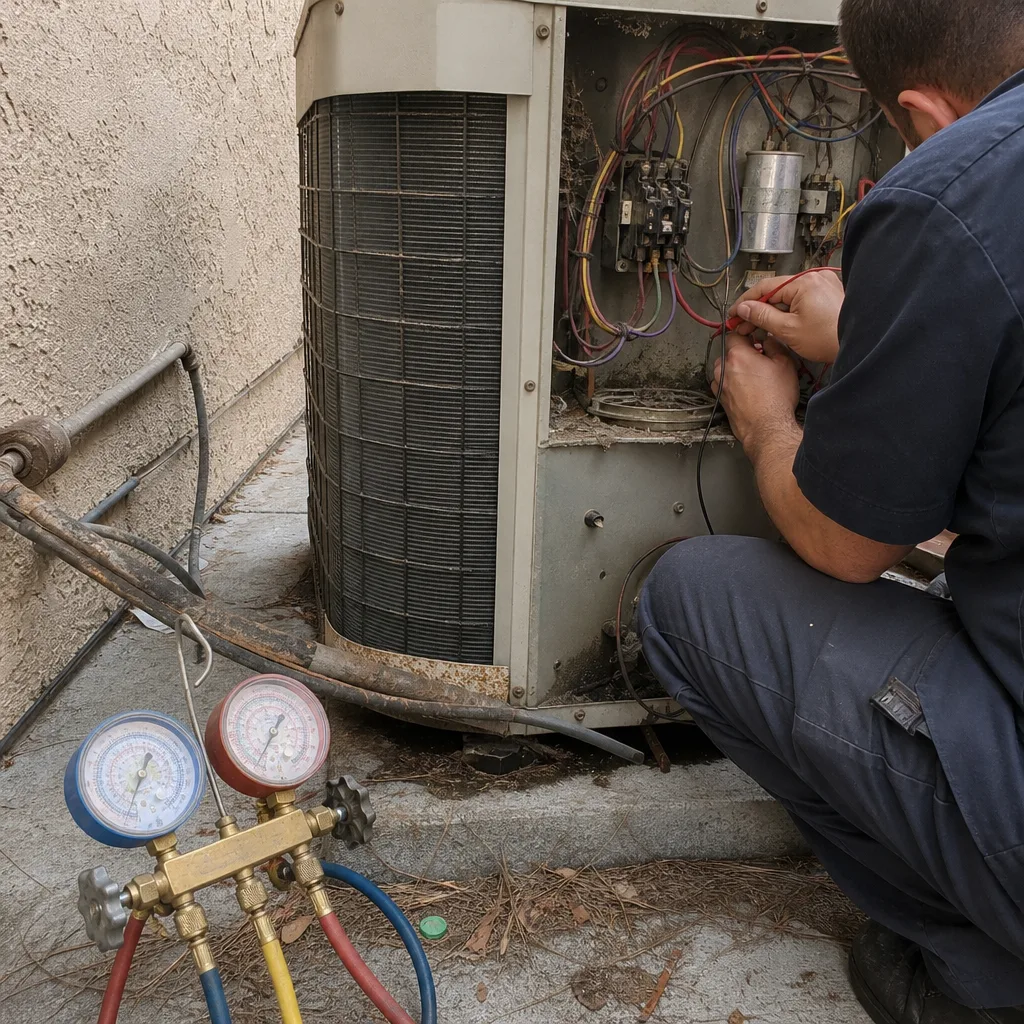
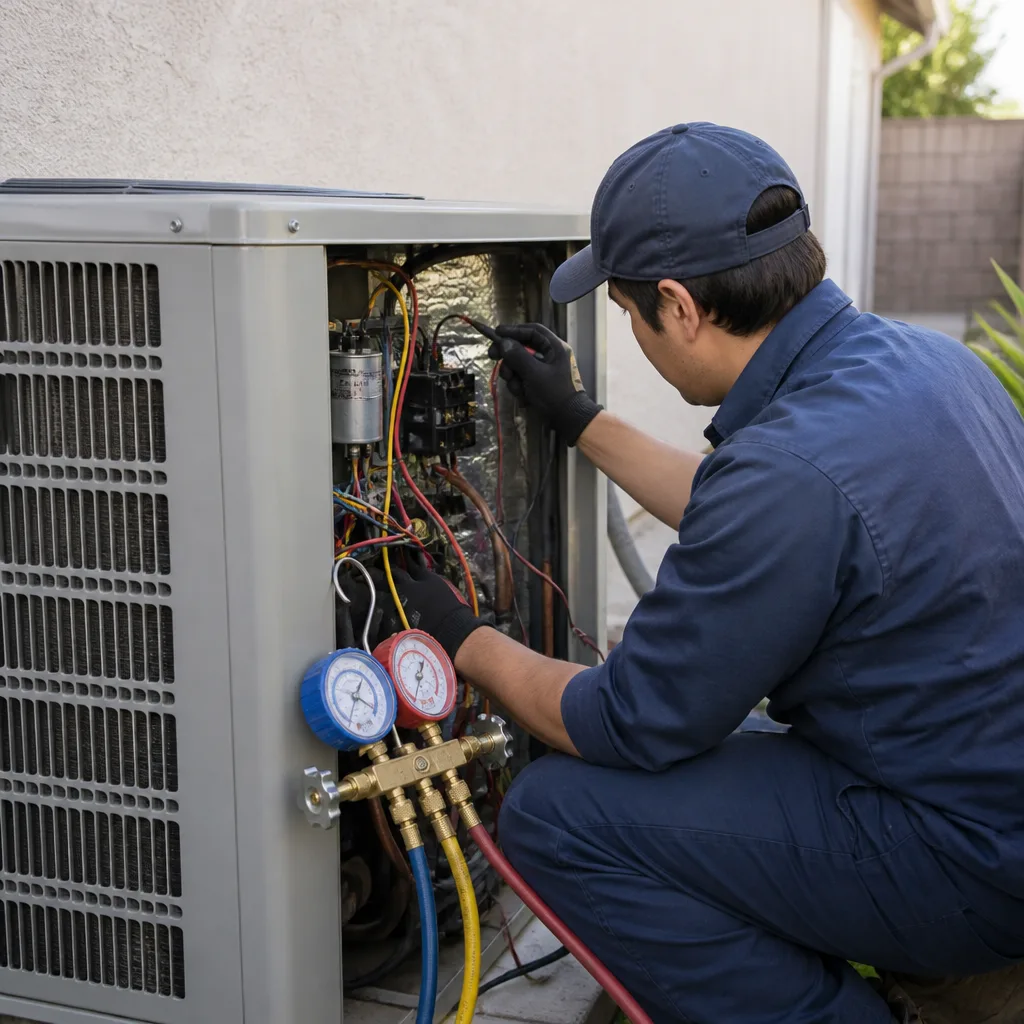
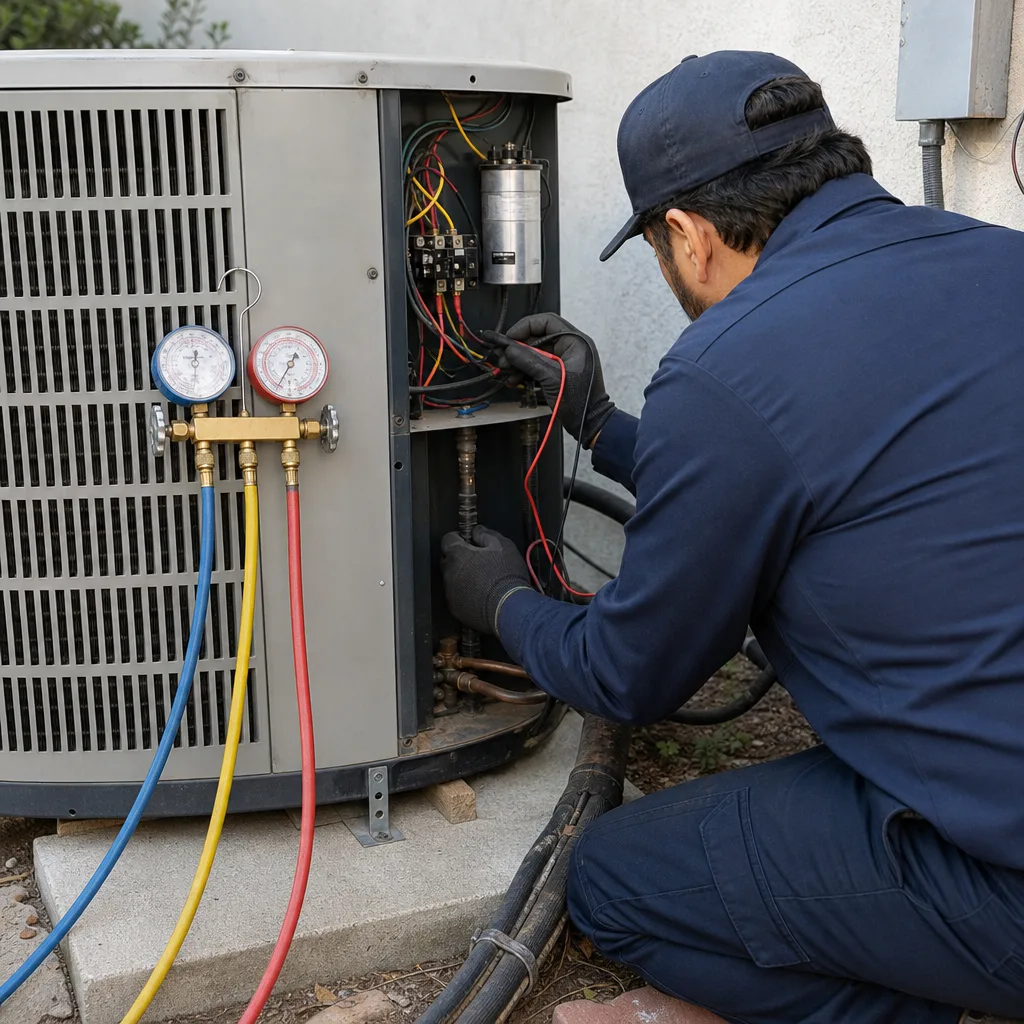
There are maintenance tasks a homeowner can handle: filter replacement, keeping the condenser clear, checking visible ductwork. Then there are tasks that require tools, training, and experience. Refrigerant levels need a manifold gauge set and an EPA certification to handle. Capacitor testing requires electrical training and the right meter. Heat exchanger inspection on a gas furnace involves checking for cracks that could leak carbon monoxide. Coil cleaning done wrong can bend fins and reduce efficiency. If you’re seeing ice on the refrigerant lines, hearing unusual sounds, smelling gas, or noticing your system short-cycles, that’s a call for a professional. Dalton Heating & Air Long Beach offers free estimates in Long Beach. Call (562) 512-7423 and a real person answers, 24/7, no voicemail queue.
Frequently Asked Questions
Schedule cooling maintenance in March or April, before the marine layer’s salt and moisture load peaks. Schedule furnace or heat pump heating-side maintenance in October, while the weather is still warm enough that any needed repair is not an emergency. These two windows are earlier than the national norm, and they’re specific to Long Beach’s coastal marine climate. Call us at (562) 512-7423 to get on the schedule for either window.
Expect to pay roughly $120 – $250 for a cooling check with coil cleaning and $100 – $200 for a heating check. A full-year plan covering both visits typically runs $250 – $450. The exact price depends on the size and condition of your system, and it should always be in writing before work begins. Dalton Heating & Air includes written pricing on every job, without exception, so call (562) 512-7423 for a free estimate.
Yes, especially if the event was strong or accompanied by smoke. Santa Ana winds carry 3 to 5 times the normal particulate load, and a filter can go from clean to clogged in 48 hours. Hold the filter up to a light; if light transmission is visibly reduced, replace it regardless of how recently you installed it. This simple check prevents high static pressure and blower motor strain.
Annually. The low runtime doesn’t mean the furnace skips maintenance; it means the furnace has long idle periods where marine moisture promotes corrosion on electrical connections, burners, and the heat exchanger. An annual inspection catches the corrosion before it becomes a no-heat call on a cold December morning. If your furnace is over 15 years old, the annual inspection is non-negotiable.
If you live within a few blocks of the ocean, a breathable cover can reduce off-season salt and moisture exposure during the months the system is dormant. Use a fabric cover designed for HVAC equipment, not plastic, which traps moisture and promotes corrosion. Homes further inland generally don’t need a cover. Before covering, make sure the unit is completely dry and the power is off.
Yes. Long Beach’s moderate coastal climate is close to ideal for heat pump performance. The mild winter means the system rarely needs backup heat, and the marine-layer summer keeps cooling loads within a comfortable range for a properly sized unit. Efficiency peaks in the shoulder seasons, which in Long Beach means March through May and October through November. If you’re evaluating options, call (562) 512-7423 for a straight answer on what makes sense for your home.
The Bottom Line
Long Beach HVAC maintenance is a different job than it is almost anywhere else in the country. The marine layer creates humidity stress from March through November, not just summer. Santa Ana winds demand filter attention that a fixed calendar can’t predict. Furnaces that run sparingly still corrode, and heat pumps find their peak efficiency in our spring and fall. Shift your schedule earlier than national advice, check filters after wind events, and keep your maintenance prices in writing before any work starts. Do that, and your system will run through Long Beach’s short, intense summers and mild winters without drama. Need a specific plan for your home? Call Dalton Heating & Air at (562) 512-7423 for a free estimate, and a real person will pick up. For more guides & resources, visit our blog.
Written by Marco Benitez, Owner at Dalton Heating & Air Long Beach, serving Long Beach since 2003.
See the difference
 Before
 After
After Before
 After
After Before
 After
After