
Last updated October 16, 2026
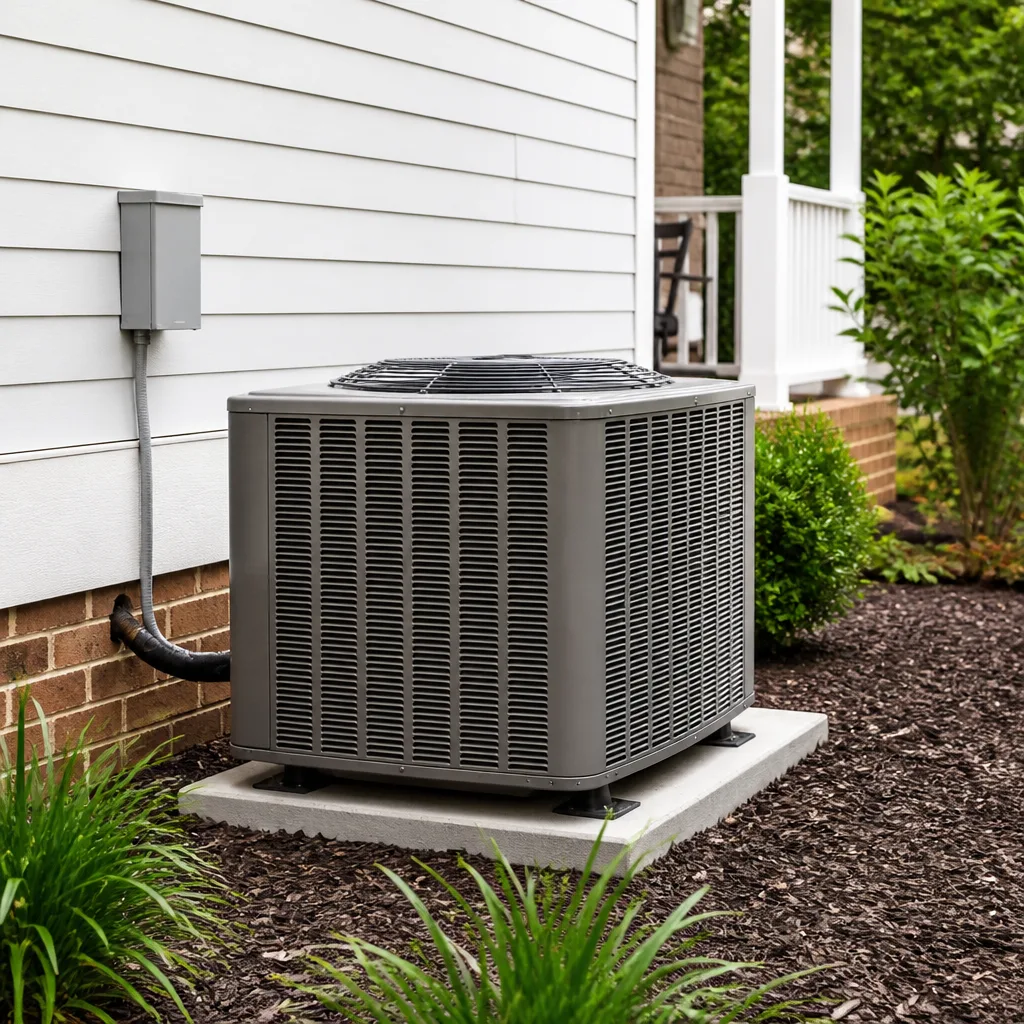 AC repair
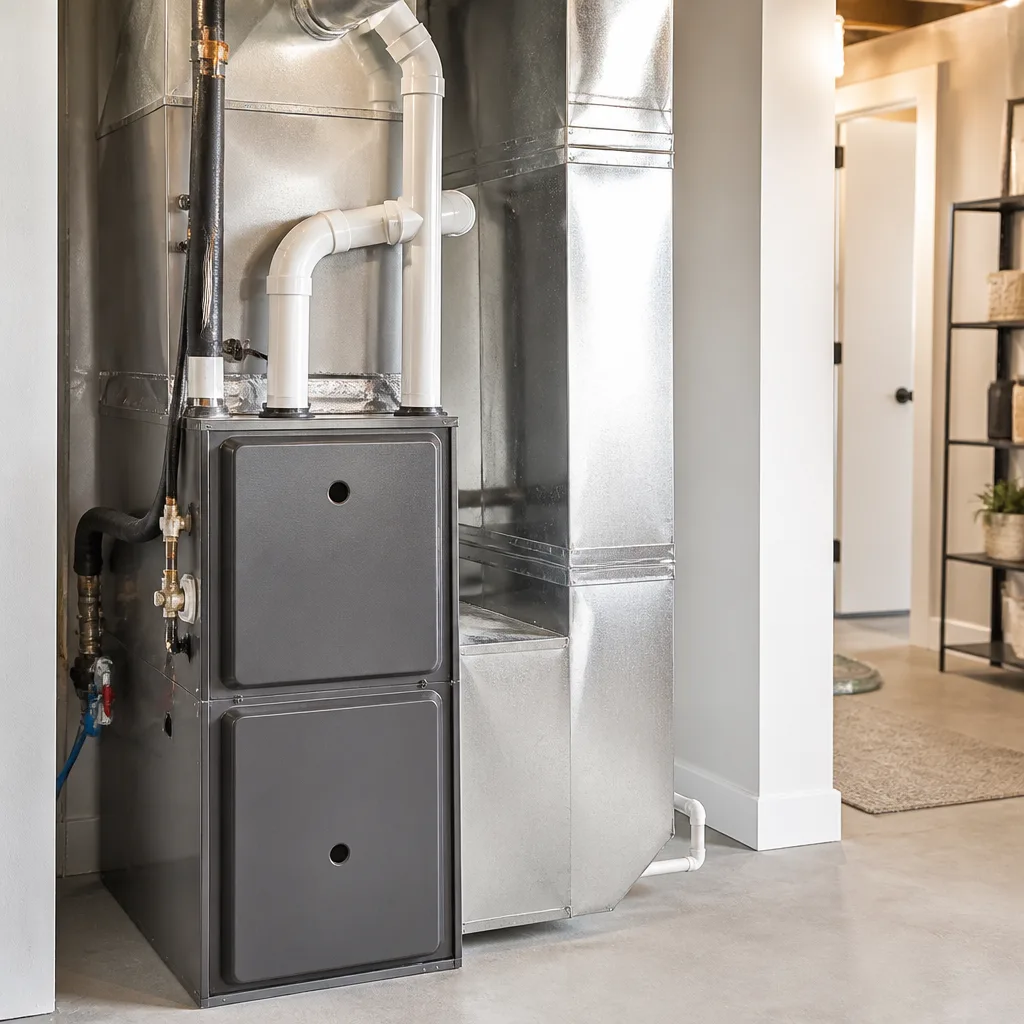 Furnace & heating
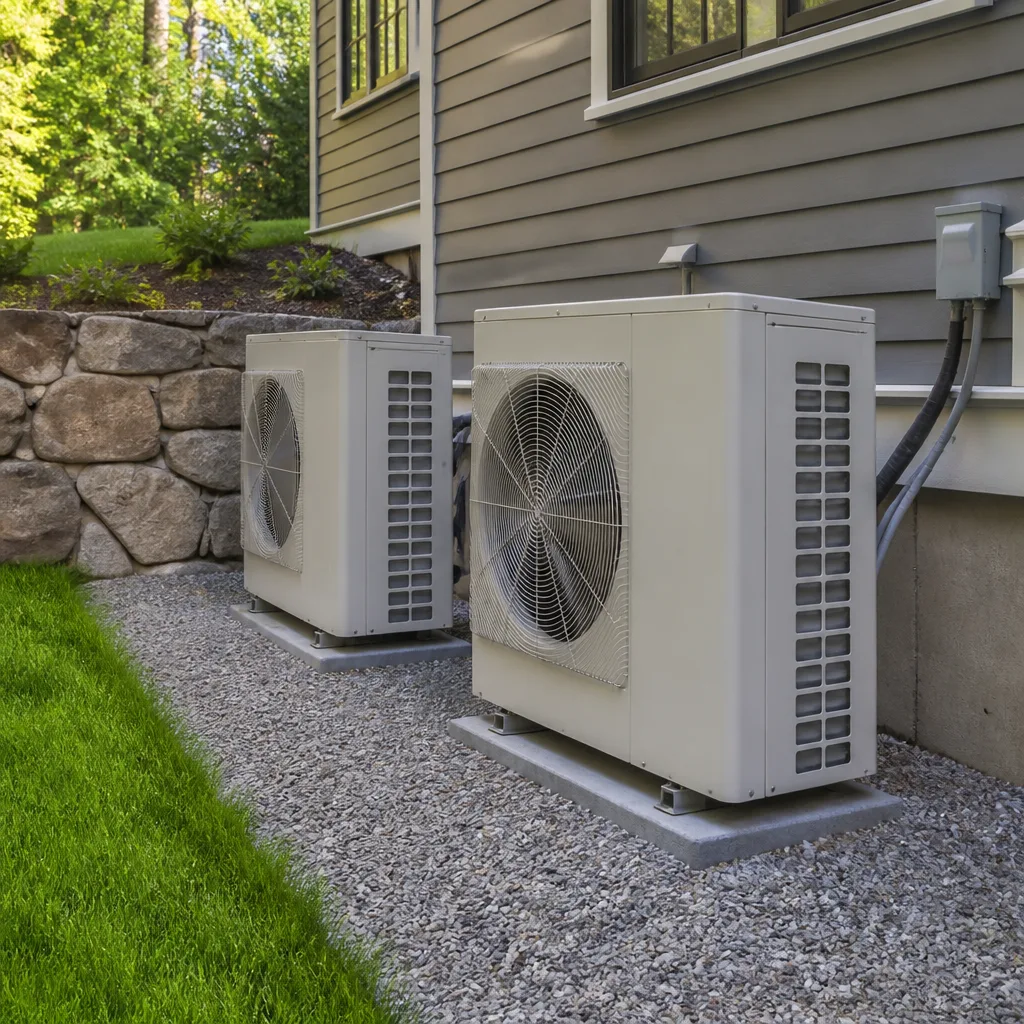 Heat pumps
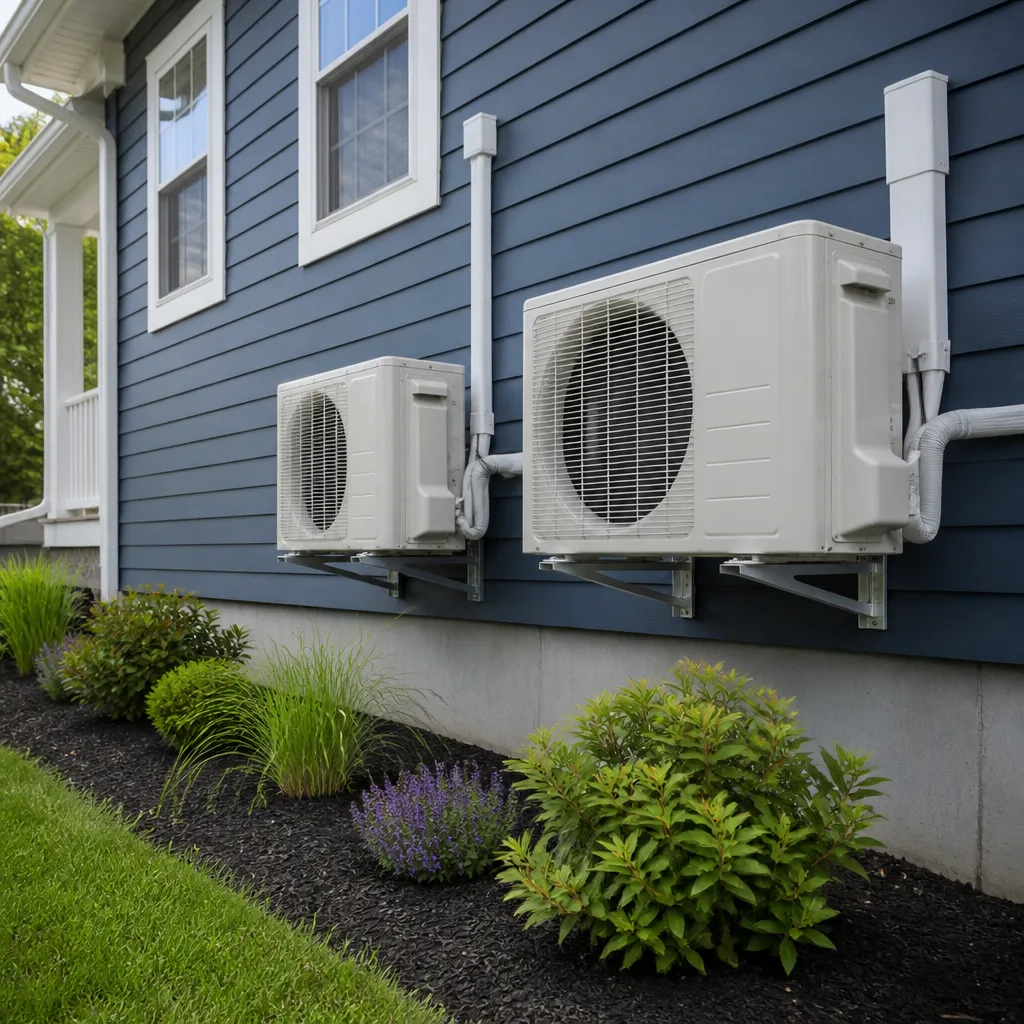 Ductless mini splits
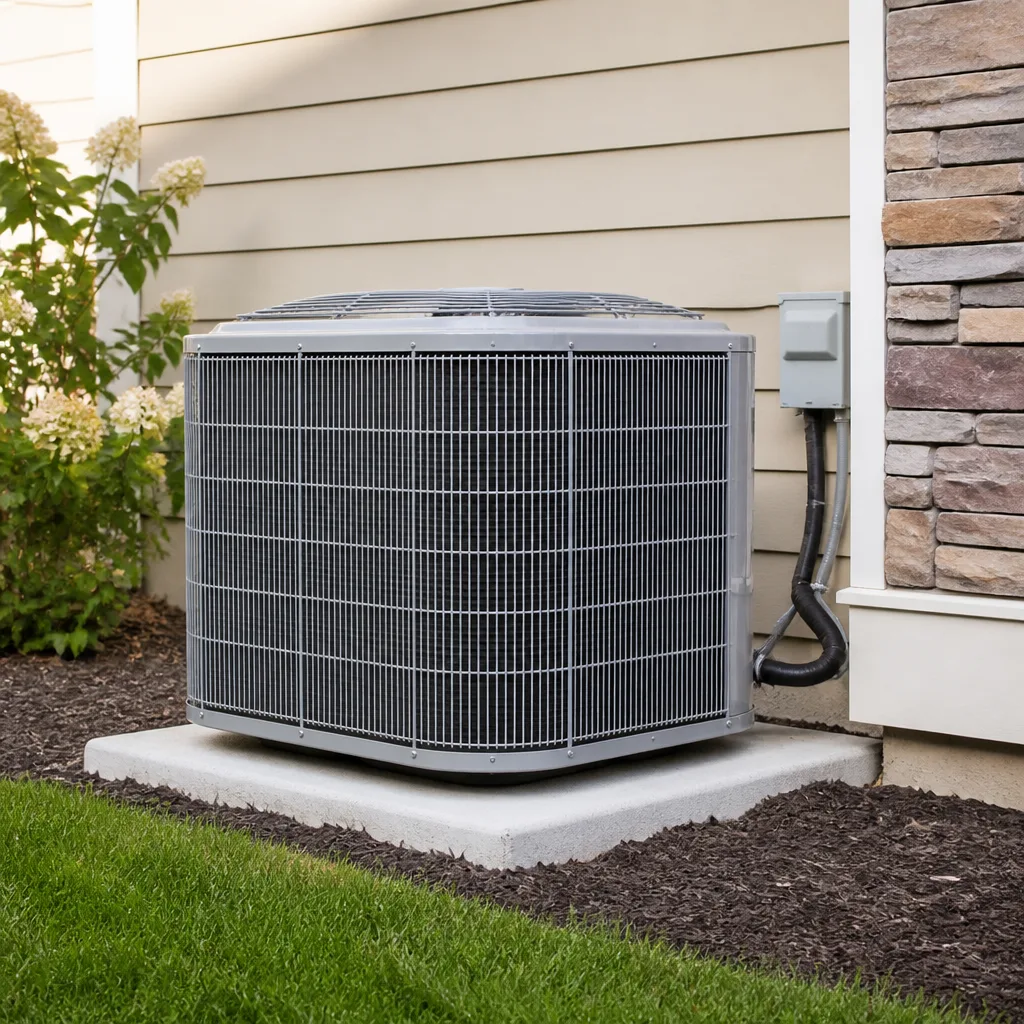 Carrier
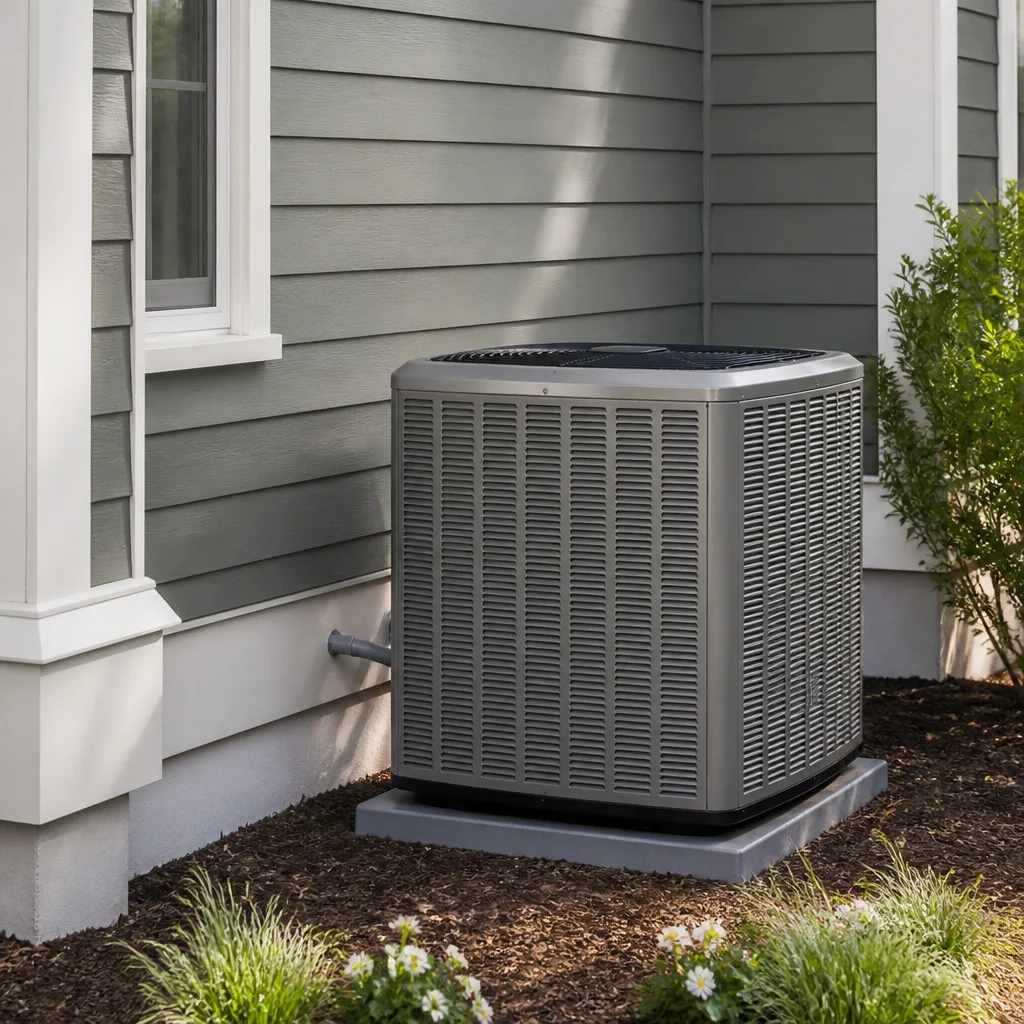 Trane
Trane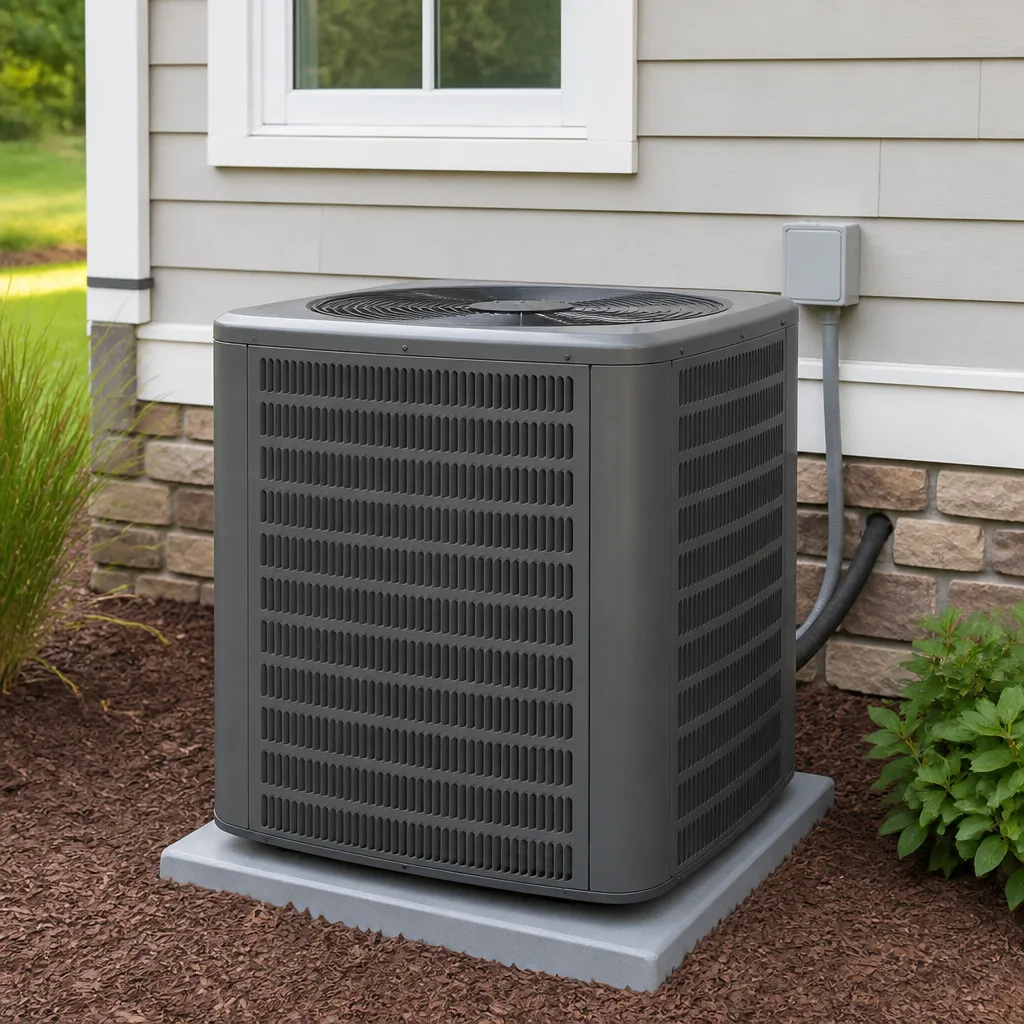 Goodman
Seasonal tune-up and full diagnostic on your Carrier, Trane, or Goodman system - readings shown to you before any repair is proposed
Diagnosis first, numbers second - you approve the repair price before a single part goes in.
Get your free estimateAC Repair Maintenance Checklist for Long Beach Homeowners
The number-one reason Long Beach AC units fail before age 10 isn’t neglected filters. It’s coil corrosion from salt-laden air that no generic maintenance checklist mentions. Walk into any supply house in Long Beach and you’ll hear the same story from counter guys: units dying at year 8 or 9 with coils that look like they’ve been shot with a BB gun. That’s formicary corrosion, and it’s what this guide is built around. You’ll learn what actually fails on Long Beach units, which tasks you can handle yourself without voiding a warranty, and how to time your maintenance to the coastal climate instead of generic “spring and fall” advice written for Phoenix. For The Complete Guide to HVAC in Long Beach, see our full resource.
Quick Answer
An AC maintenance checklist for Long Beach must include five coastal-specific tasks most national checklists skip: checking coils for formicary corrosion, flushing condensate lines on a 30 to 60 day cycle, verifying refrigerant charge against manufacturer spec rather than by feel, cleaning salt and particulate buildup off condenser fins quarterly, and inspecting electrical contacts for humidity-driven oxidation. Filter swaps monthly during peak cooling season and a licensed tech inspection annually cover the rest.
Styles & brands we work with
Table of Contents
- Coil Corrosion: The Long Beach Killer
- Condensate Line Mold: Coastal Timelines and Treatment
- Refrigerant Charge: Why Coastal Systems Run Low
- Electrical Contacts and Humidity Oxidation
- Blower Wheel and Air Handler Buildup
- What Homeowners Can Do Without Voiding Warranties
- Seasonal Timing Calendar for Long Beach
- Common Mistakes to Avoid
Coil Corrosion: The Long Beach Killer
Formicary corrosion is the failure mode that ends more Long Beach AC units than anything else. It happens when salt particles settle on copper coil tubing, combine with moisture from the marine layer, and create a weak acidic reaction that pits the copper with pinholes smaller than a pinhead. Refrigerant leaks out. The unit loses cooling capacity. Eventually the system won’t hold a charge and the coil has to be replaced, often at a cost that makes homeowners question whether to put money into a 7-year-old unit at all.
What makes this different from normal wear is the pattern. Normal coil wear shows up as flattened fins, minor surface oxidation, and gradual efficiency loss over a decade. Formicary corrosion shows up as dark pitting, sometimes with a chalky residue, concentrated on the areas where the coil stays damp longest. In Long Beach, that’s often the lower third of the evaporator coil and the sections of the condenser coil facing west toward the ocean air.
Checking for this takes a flashlight and about ten minutes:
- Kill power to the unit at the breaker and at the outdoor disconnect.
- Remove the access panel on the evaporator coil (the indoor one, usually above the furnace or in the attic).
- Shine a flashlight across the coil face at a low angle. Pitting creates shadows you won’t see straight-on.
- Look for dark spots or white crusty residue on copper U-bends and return bends. That’s the tell.
- If you see pitting, don’t wipe it off. Call a licensed tech. Disturbing a corroded coil can turn a pin-sized leak into a wide-open one.
Catching formicary corrosion early means the difference between a coil coating treatment and a full coil replacement. Once pinholes have formed, coating won’t fix the leak. Dalton Heating & Air provides AC Repair services for Carrier, Trane, Lennox, Goodman, Rheem, York, Daikin, Bryant, and American Standard systems across Long Beach, so if you find corrosion on your coil, we can tell you honestly whether it’s worth repairing or whether you’re looking at replacement. Our coil inspections are part of every tune-up, and we’ll show you what we’re seeing before we ever recommend a repair.
Condensate Line Mold: Coastal Timelines and Treatment
In Long Beach, a condensate drain line can grow enough mold and sludge to clog in about 60 days during summer. The humidity band Long Beach sits in, typically 60 to 75 percent relative humidity during the warmer months, is exactly what mold and biofilm need to colonize the inside of a PVC drain pipe. Add in the organic matter that coastal air deposits, and you have a line that plugs faster than inland systems by a meaningful margin.
The problem with a plugged condensate line isn’t just water on the floor. A backed-up line triggers a float switch on most modern systems, which shuts the unit down entirely. On older systems without a float switch, the water overflows the drain pan and soaks into the platform, the drywall, or the attic insulation. In Long Beach’s climate, that moisture rarely dries quickly, which means mold in the air handler cabinet and, eventually, a smell that’s hard to get rid of.
Here’s the treatment protocol that actually works on coastal systems:
- Flush the line with warm water every 30 days during cooling season. Not bleach. Bleach eats PVC over time and the fumes off-gas into the air you breathe.
- Use a wet/dry vac on the outdoor drain outlet once a month. Thirty seconds of suction pulls sludge out before it hardens.
- Pour 1 cup of white vinegar or a commercial pan treatment tablet into the drain line access point monthly. Vinegar kills biofilm without corroding the pipe.
- If the line clogs completely, call a tech with a nitrogen flush setup. A hand pump won’t clear a hard coastal clog; nitrogen will.
- Check the drain pan under the indoor unit every time you change the filter. If you see standing water, the line is already backing up.
We see condensate line failures more often in Long Beach neighborhoods like Naples and Belmont Shore, where the air carries more salt and moisture, but the mold timeline applies citywide. Treat the line before it plugs rather than waiting for the float switch to kill your cooling on the hottest afternoon of the year.
Refrigerant Charge: Why Coastal Systems Run Low
A coastal AC system doesn’t use up refrigerant. Refrigerant is a sealed fluid. If your system is low, it leaked out, and the leak is usually in the indoor coil, the outdoor coil, or at a braze joint. Long Beach systems are more prone to low-charge failures because salt corrosion creates leak points on coils that inland systems never develop. A unit that loses 10 percent of its charge will still cool, but it will run longer cycles, pull more amps, and wear the compressor faster. At 20 percent down, the evaporator coil starts icing and the system is working against itself.
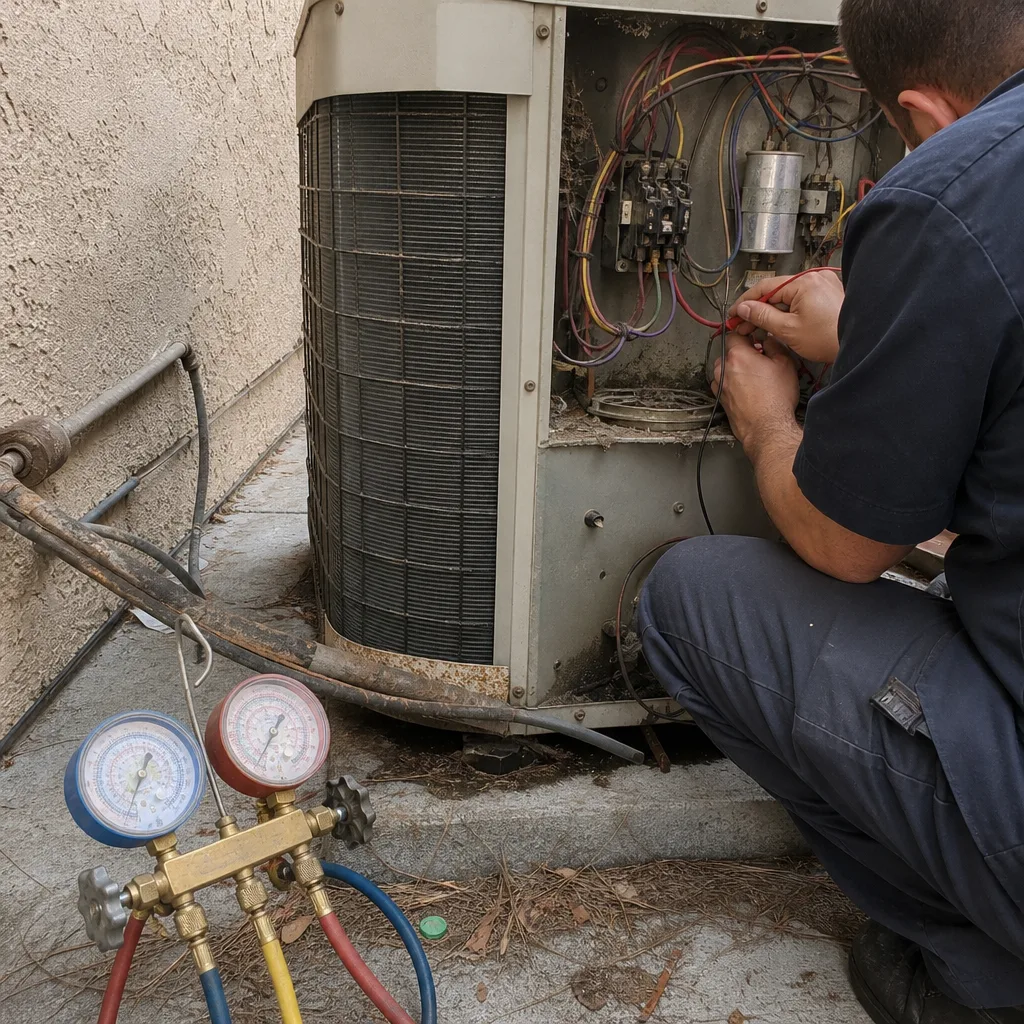
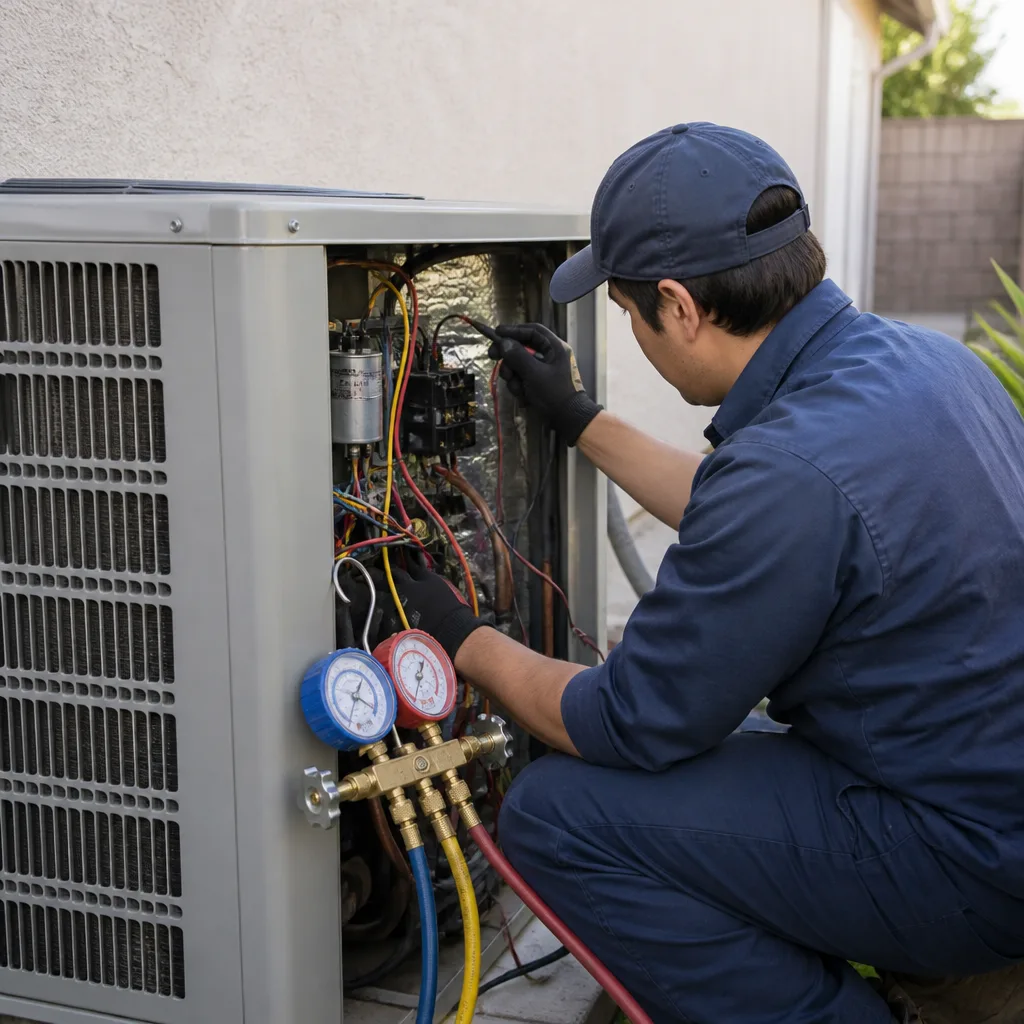
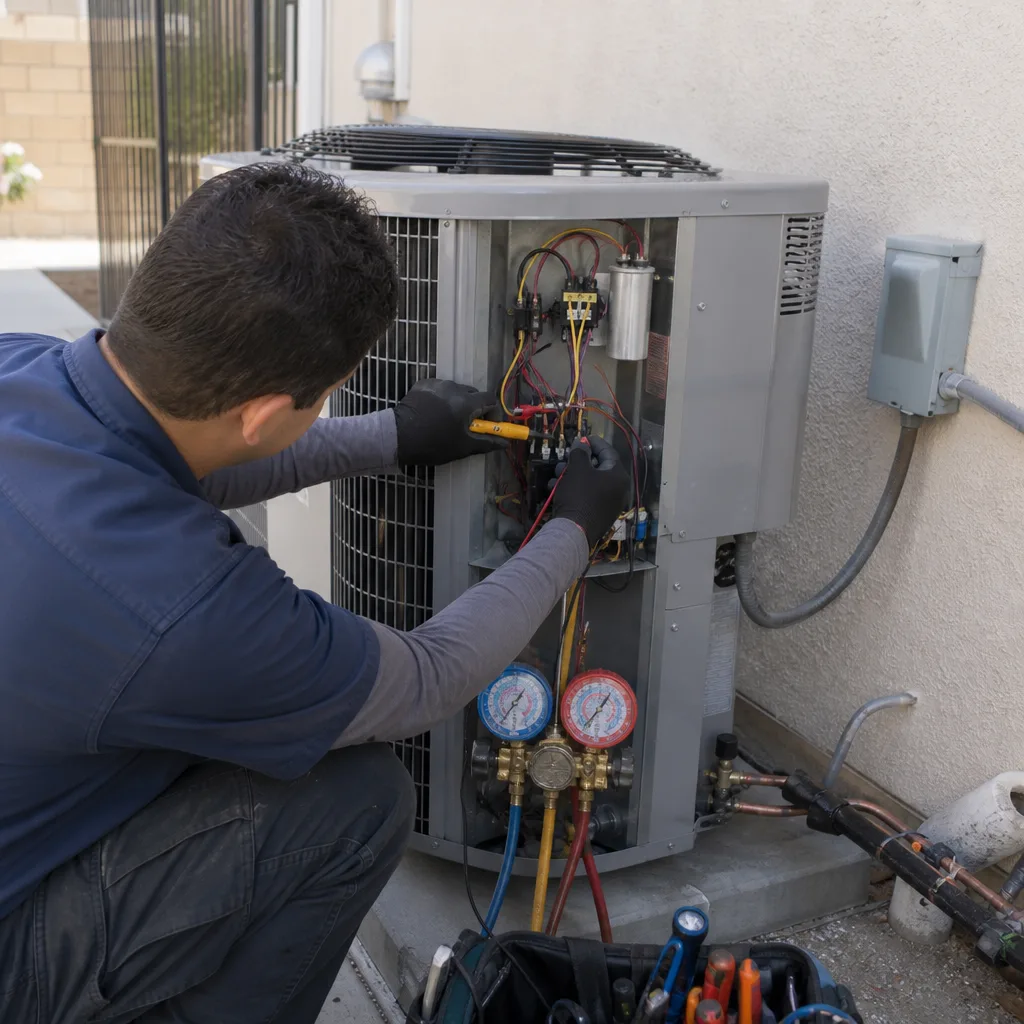
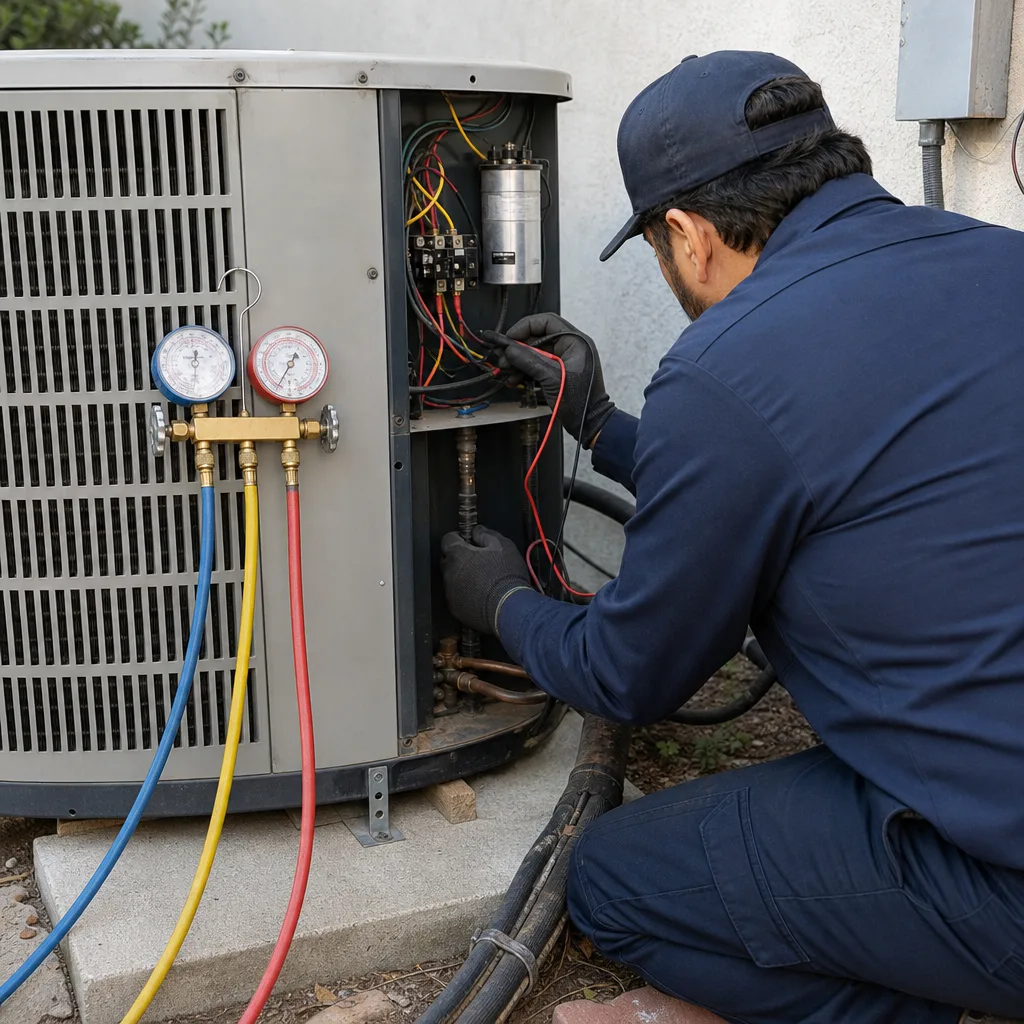
Checking the charge is not a homeowner task. It requires manifold gauges and, on most modern units, a digital readout of subcooling and superheat against the manufacturer’s spec sheet. What a homeowner can do is watch for the signs:
- Longer run times with less temperature drop. If the AC runs for 30 minutes and the room drops 3 degrees instead of 5, something is off.
- Ice on the refrigerant lines. The larger insulated line outside should sweat, not freeze. Ice means low charge or low airflow.
- Hissing or bubbling sounds from the indoor coil area. That’s refrigerant leaking and making noise as it escapes.
- A warmer-than-expected air stream from the vents. Measure it with a cheap thermometer: you want 15 to 20 degrees of cooling between the return and supply vents.
If any of these show up, call a licensed tech. Adding refrigerant without finding and fixing the leak is against EPA rules and a waste of money. Dalton Heating & Air Long Beach tests every system we touch for leaks before adding any refrigerant, and we put the price in writing before we open the gauge set. That’s The Garrison Standard, the operating code every Garrison Partners company has followed since 2003: written price before work starts, every job, no exceptions.
Electrical Contacts and Humidity Oxidation
Long Beach humidity does something ugly to AC electrical connections: it oxidizes them. Contactor points, capacitor terminals, and wire lugs develop a green or white corrosion layer that increases resistance, heats up under load, and eventually burns the connection open. When a capacitor terminal fails from corrosion, the compressor tries to start without the boost it needs, draws locked-rotor amperage, and trips the breaker. Sometimes the compressor survives. Sometimes it doesn’t.
This is a component-level failure that never shows up on a generic checklist because generic checklists are written for dry climates. In Long Beach, every annual tune-up should include a physical inspection of the following:
- The contactor: Burned or pitted contacts mean the part is arcing under load. Replace it before it welds shut.
- The capacitor: A capacitor that reads 10 percent below spec is on the way out. A tech can test this in 30 seconds with a multimeter.
- All wire lugs: Tighten anything loose. A loose lug under load is a fire hazard, full stop.
- The disconnect box: Look for rust on the enclosure and corrosion on the pull-out tabs.
- Condensation on the control board: If the air handler is in an unconditioned space like a garage or attic, humidity gets to the board. A dehumidifier or cabinet seal may be the fix.
We replace more capacitors and contactors in Long Beach than anywhere else in our network. It’s not a quality problem with the equipment; it’s the air. Factory-trained techs on our team handle Bryant, American Standard, and Trane systems daily, and we stock the common capacitors and contactors on the truck so we can fix electrical failures in a single visit. No second trip, no “we’ll have to order that part.”
Blower Wheel and Air Handler Buildup
The blower wheel is the fan inside the air handler that pushes conditioned air through your ducts. In Long Beach, it accumulates a fine gray paste made of salt, dust, and condensed humidity. Within 18 months of coastal operation, that paste can coat the wheel blades thick enough to cut airflow by 20 to 30 percent. Your system runs longer to hit the same temperature, your utility bill climbs, and the added resistance shortens the motor’s life.
Cleaning a blower wheel is not a quick vacuum job. The wheel has to come out of the housing, which on most residential units means removing the control board mount, loosening the set screw, and sliding the wheel off the motor shaft. On gas furnace platforms with the evaporator coil above the furnace, the blower assembly sits in a tight spot and removal takes 30 to 45 minutes. This is a task for a trained tech, not a Saturday morning project.
What a homeowner can do:
- Check the filter monthly during cooling season. A clogged filter makes the blower work harder and pulls more particulate onto the wheel.
- Look through the return grille with a flashlight. If you can see gray fuzz on the wheel blades, the buildup is already affecting airflow.
- Listen for a rubbing or scraping sound when the blower ramps up. That’s often a buildup imbalance.
- Ask for a static pressure reading at your next tune-up. Numbers above 0.5 inches of water column on a standard system mean the ductwork or the wheel is restricting flow.
Dalton Heating & Air Long Beach includes blower wheel inspection on every maintenance visit. If the wheel needs pulling and cleaning, we quote it before we touch it, with the written price in hand before the first screw comes out. That’s how we’ve operated since 2003: show you the problem, quote you the fix, do the work by the book.
What Homeowners Can Do Without Voiding Warranties
Manufacturer warranties have fine print, and in Long Beach’s climate the fine print matters. Most AC brands, including Lennox, Carrier, Trane, and American Standard, require annual maintenance by a licensed contractor as a condition of keeping the compressor and coil warranties valid. Skip the maintenance, and a failed compressor becomes your bill instead of the manufacturer’s.
Here’s the breakdown of what you can safely do on your own schedule versus what requires a licensed tech, with DIY vs Professional HVAC: The Long Beach Homeowner’s Decision Guide for reference:
Homeowner Tasks (Do These)
- Filters: Check monthly during peak cooling months of May through October. Replace when they’re clogged or every 90 days max. A $15 filter prevents most airflow failures.
- Condensate line flush: Monthly vinegar treatment plus a wet/dry vac pull at the outdoor outlet. This is the single highest-value homeowner task in Long Beach.
- Outdoor unit clearing: Keep 2 feet of clear space around the condenser. Trim back any plants growing into the fins. Clear leaves, grass clippings, and debris off the top.
- Fin washing: Gently rinse the outdoor coil with a garden hose, no pressure washer, every 2 to 3 months. Salt buildup comes off with plain water. Do this with the power off at the disconnect.
- Thermostat check: Make sure the setpoint is working, the batteries are fresh, and the schedule matches your actual occupancy.
Licensed Tech Tasks (Do Not DIY)
- Refrigerant level checks and recharges. EPA Section 608 certification is required to handle refrigerant. Adding any without a license is illegal.
- Any electrical work beyond the disconnect. Working inside a live unit’s electrical cabinet is a serious injury risk, and a wrong connection can fry a control board.
- Coil repairs or replacement. Unbrazing a coil without nitrogen purge contaminates the system with oxidation and voids the warranty.
- Blower wheel removal. Getting the set screw wrong strips the shaft. A stripped shaft means a new motor.
- Ductwork inspection and sealing. Duct pressure testing requires specialized equipment and changes need to meet California Title 24 energy code.
Doing your own filter and drain maintenance won’t void a warranty as long as you use the right materials and don’t damage anything. Doing your own refrigerant or electrical work absolutely will. Know the line, and don’t cross it.
Seasonal Timing Calendar for Long Beach
Long Beach doesn’t have four seasons. It has a long cooling season that starts earlier and ends later than inland cities, punctuated by heat waves that roll off the desert and spike demand. Here’s the maintenance calendar that matches the actual climate pattern:
February to March: Pre-Season Tune-Up
This is the sweet spot for annual maintenance in Long Beach. Temperatures are mild, techs have open schedules, and you’re not competing with a citywide rush the week after the first 90 degree day. A pre-season tune-up catches corrosion, fixes electrical issues, and verifies charge before the system sees real load.
April to June: Marine Layer Watch
The marine layer hangs over Long Beach most mornings during these months. That means the outdoor unit sits in damp, salty air for hours every day. This is when condensation on electrical components is worst. Double-check your condensate line treatment cadence and look for any signs of rust forming on the outdoor cabinet.
July to September: Peak Load Months
This is when most failures happen, because the system is running 10 to 14 hours a day and every weak point gets exposed. Filter changes should move to every 30 days. Listen for changes in compressor sound, watch for ice on the lines, and don’t ignore a circuit breaker that trips once. A tripping breaker is a symptom, not a fluke.
October to November: Post-Season Inspection
After the cooling season ends, before the occasional Long Beach cold snap hits, run the system once more and check for anything that changed over the summer. This is also the window to schedule any coil coating treatment or repair work before the short heating season begins. Trane and Carrier dealers in Long Beach both recommend a post-season check on units that ran hard through summer.
December to January: Heating Mode Check
If you have a heat pump, the system is now running in reverse, and that changes the stress profile on the reversing valve and the outdoor coil. A quick once-over during winter ensures the system is ready when the first heat wave of spring arrives in March or April. Heat pump installation in Long Beach requires a tech who understands coastal operation in both modes, not just cooling.
Common Mistakes to Avoid
- Skipping the condensate line flush until it clogs. In Long Beach’s humidity, a line that’s not treated monthly will clog at the worst possible time. Prevention takes five minutes; the repair takes a service call.
- Using a pressure washer on the condenser fins. High pressure folds the fins flat and kills airflow. Use a garden hose with a spray nozzle, and only with the power off at the disconnect.
- Replacing only the outdoor unit when the indoor coil is old. Mismatched systems lose efficiency and can’t deliver the SEER rating of the new unit. In Long Beach, an old coil with corrosion is the next leak waiting to happen.
- Ignoring a circuit breaker that trips once. “It only happened once” is the most expensive phrase in HVAC. A breaker trip means the system pulled more current than the circuit can handle, and the cause doesn’t fix itself.
- Closing off too many vents to “save energy.” High static pressure from closed vents reduces airflow, which ices the coil and stresses the blower motor. This is a common mistake in Long Beach homes where one room feels too hot.
- Adding refrigerant without finding the leak. Topping off a leaking system is like pumping air into a tire with a nail in it. It will cool for a few weeks, then lose charge again, and the leak gets worse.
- Relying on a handyman for AC work. California requires a C-20 HVAC contractor license for any work on refrigeration systems. A handyman who touches your AC is likely unlicensed, and any damage he causes won’t be covered by the manufacturer warranty.
See the difference
 Before
 After
After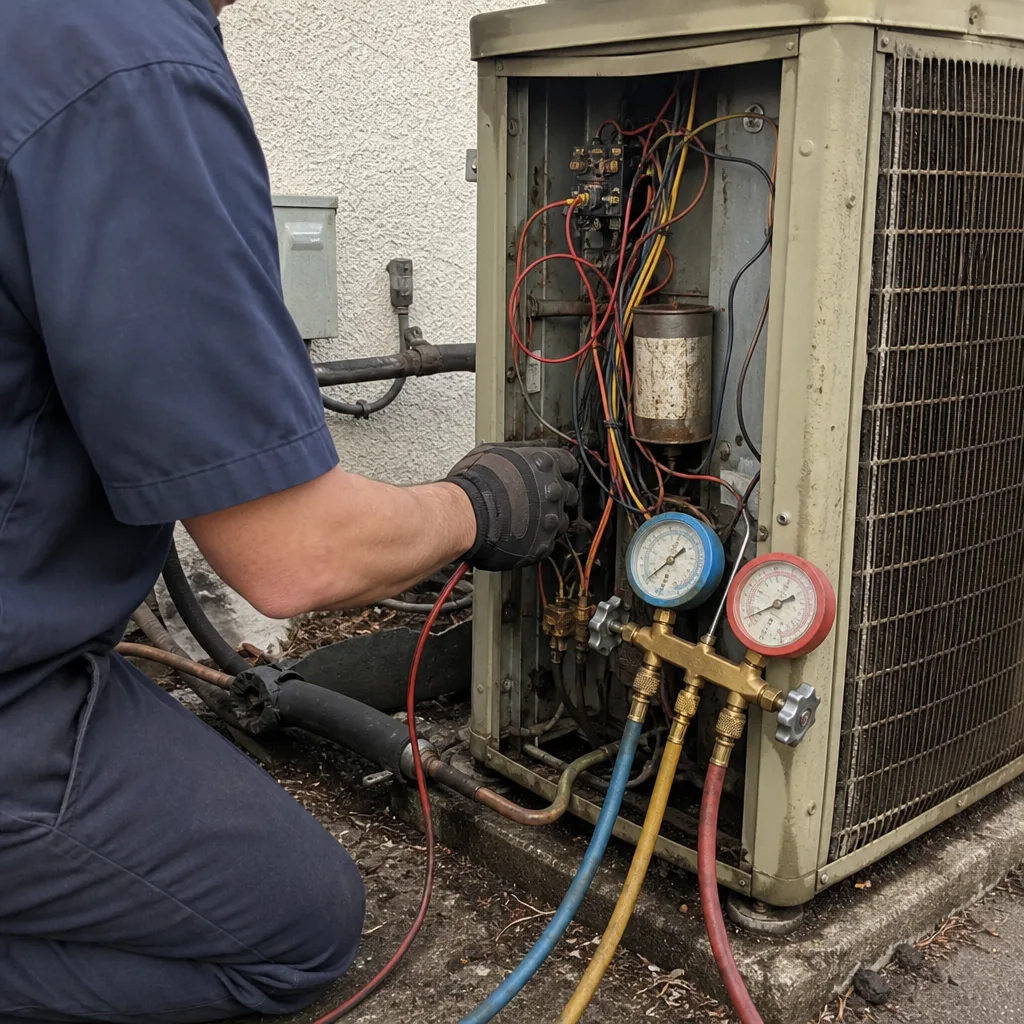 Before
 After
After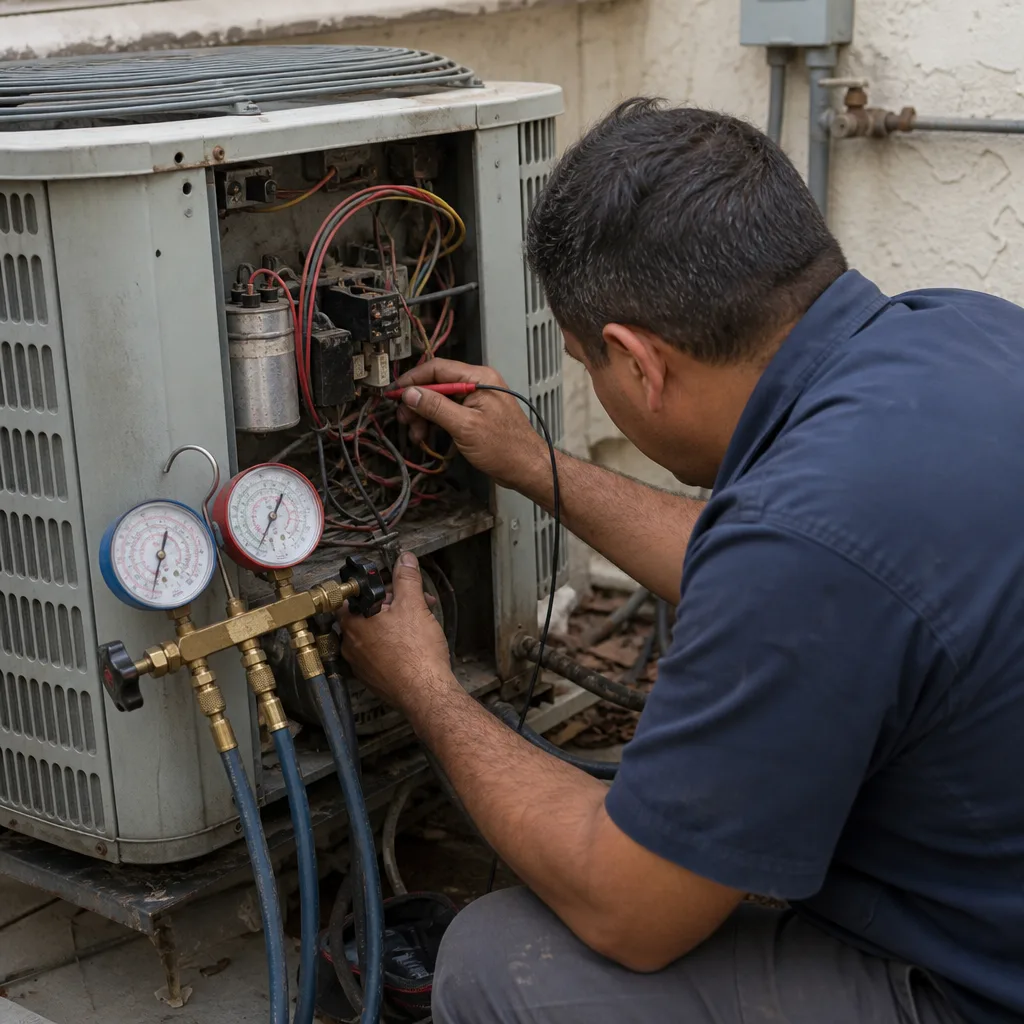 Before
 After
AfterWhen to Call a Professional
Call a licensed HVAC contractor when you see ice on the refrigerant lines, hear hissing from the indoor coil, smell burned electrical from the air handler, or trip a breaker more than once. These are failure symptoms that won’t resolve themselves and get more expensive the longer they’re ignored. You should also call for an annual tune-up that includes a coil corrosion inspection, refrigerant leak test, and electrical contact check, even if the system seems to be running fine. AC repair in Long Beach is cheaper and faster when the problem is caught at the sign of trouble, not after the compressor fails. Dalton Heating & Air Long Beach offers free estimates in Long Beach, call (562) 512-7423.
Frequently Asked Questions
Have your AC inspected once a year, ideally in February or March before the cooling season begins, and check our more guides & resources for year-round maintenance tips. Coastal conditions in Long Beach mean salt corrosion, condensate line mold, and electrical oxidation develop faster than inland, so annual professional maintenance with filter changes and drain flushes every 30 to 60 days in summer is the right cadence.
A complete tune-up in Long Beach typically runs $90 to $180 for the basic service, and more if the unit needs coil cleaning, capacitor replacement, or a refrigerant leak test. Dalton Heating & Air Long Beach gives a written price before any work starts, so you always know the full cost up front.
Yes. Salt particles settle on copper coil surfaces, and when they combine with moisture from Long Beach’s marine layer, they create a weak acid that pits the copper. This formicary corrosion can develop pinholes within 5 to 7 years of coastal operation, which is why most Long Beach AC units fail before age 10.
No. Bleach oxidizes PVC pipe over time and off-gases fumes into your indoor air. Use white vinegar or a commercial pan treatment tablet. In Long Beach’s humidity, flush the drain line monthly during cooling season with vinegar, and use a wet/dry vac on the outdoor drain outlet to pull sludge out.
Look for longer run times with less cooling, ice on the large refrigerant line outside, or a temperature drop of less than 15 degrees between supply and return vents. If any of these show up, call a licensed tech. Low refrigerant always means a leak, and adding refrigerant without repairing the leak is illegal and wasteful. Furnace repair in Long Beach uses the same diagnostic approach for gas heating systems, and we apply the same standard across the board.
Yes, for routine tasks like filter changes, condensate line flushing, and outdoor unit clearing. But most manufacturers, including Carrier, Trane, Lennox, and American Standard, require annual licensed professional maintenance to keep the compressor and coil warranties valid. Refrigerant work, in particular, requires EPA certification and must be done by a licensed contractor.
The Bottom Line
Long Beach AC units fail differently than inland systems. Salt air corrodes coils, humidity breeds condensate line mold, and moisture oxidizes electrical contacts. A generic maintenance checklist won’t catch these problems until they become expensive failures. The right approach for Long Beach homeowners combines monthly homeowner tasks like drain flushes and filter changes with an annual professional inspection that includes a corrosion check, refrigerant leak test, and electrical contact review. Done consistently, that routine adds years to the life of your system and keeps your cooling costs predictable. Start with a free estimate from Dalton Heating & Air Long Beach home and we’ll show you exactly what your system needs, in writing, before any work begins.
Written by Marco Benitez, Owner at Dalton Heating & Air Long Beach, serving Long Beach since 2003.