
Last updated October 16, 2026
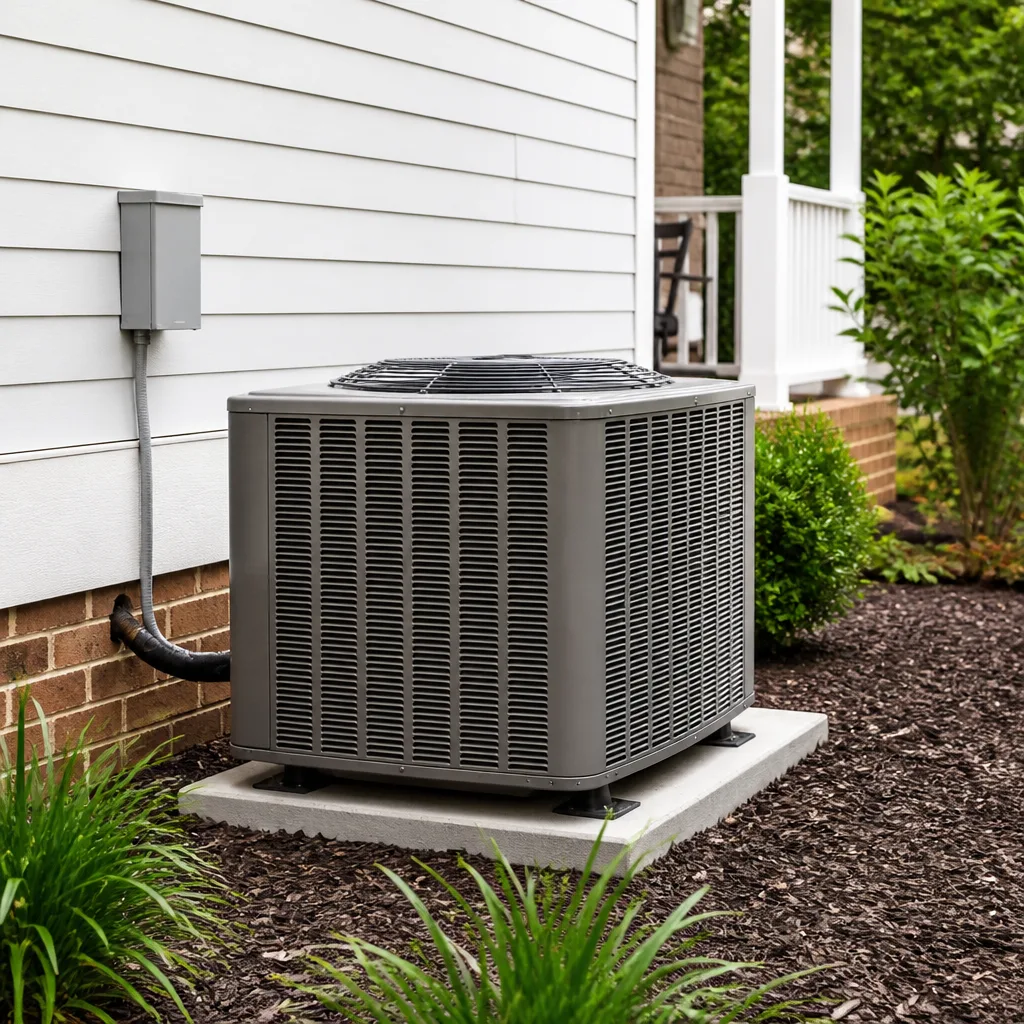 AC repair
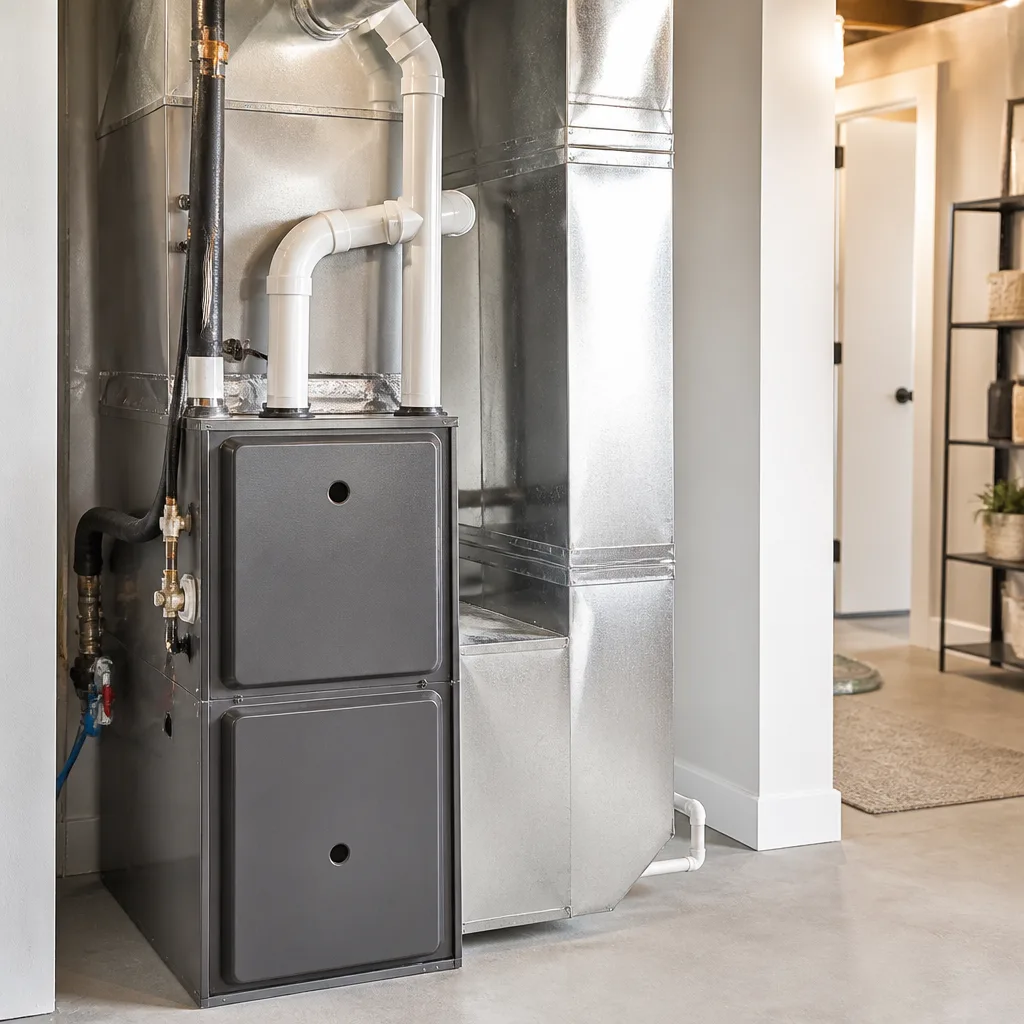 Furnace & heating
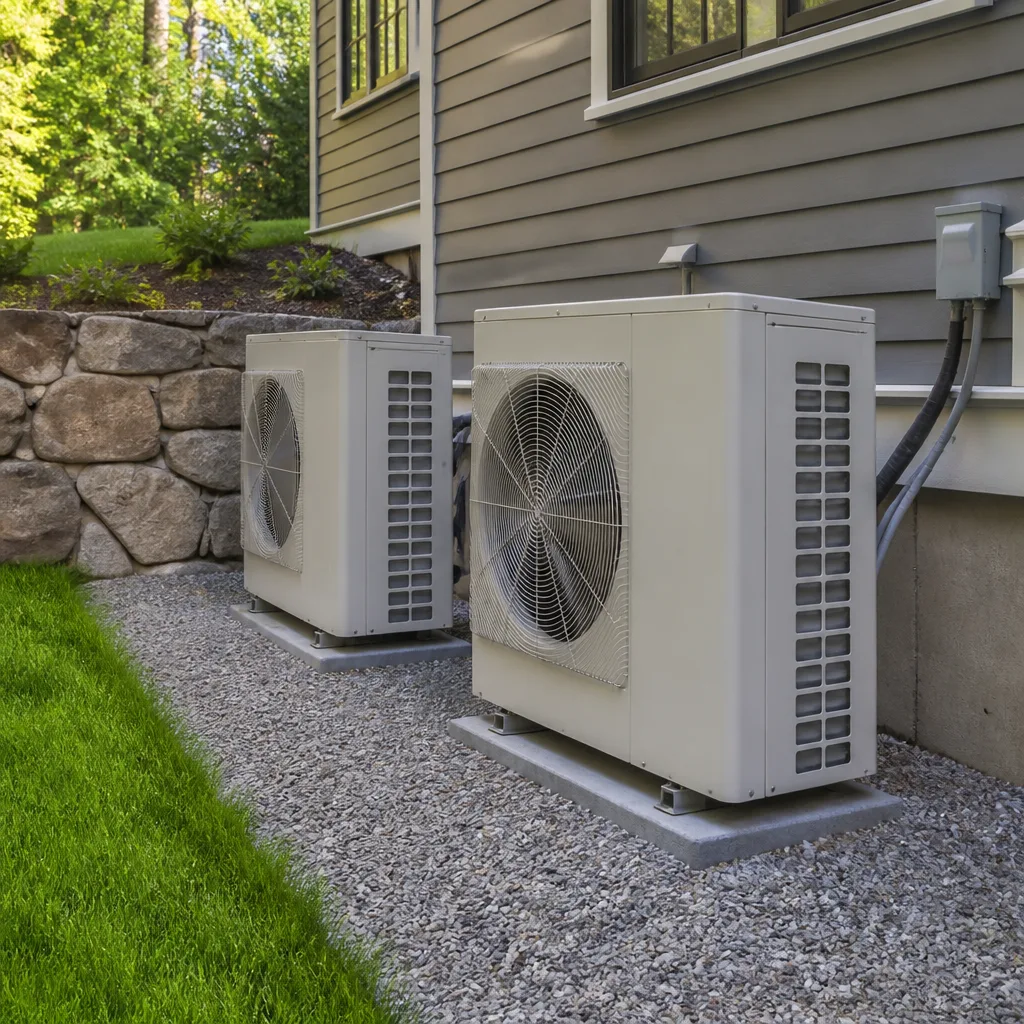 Heat pumps
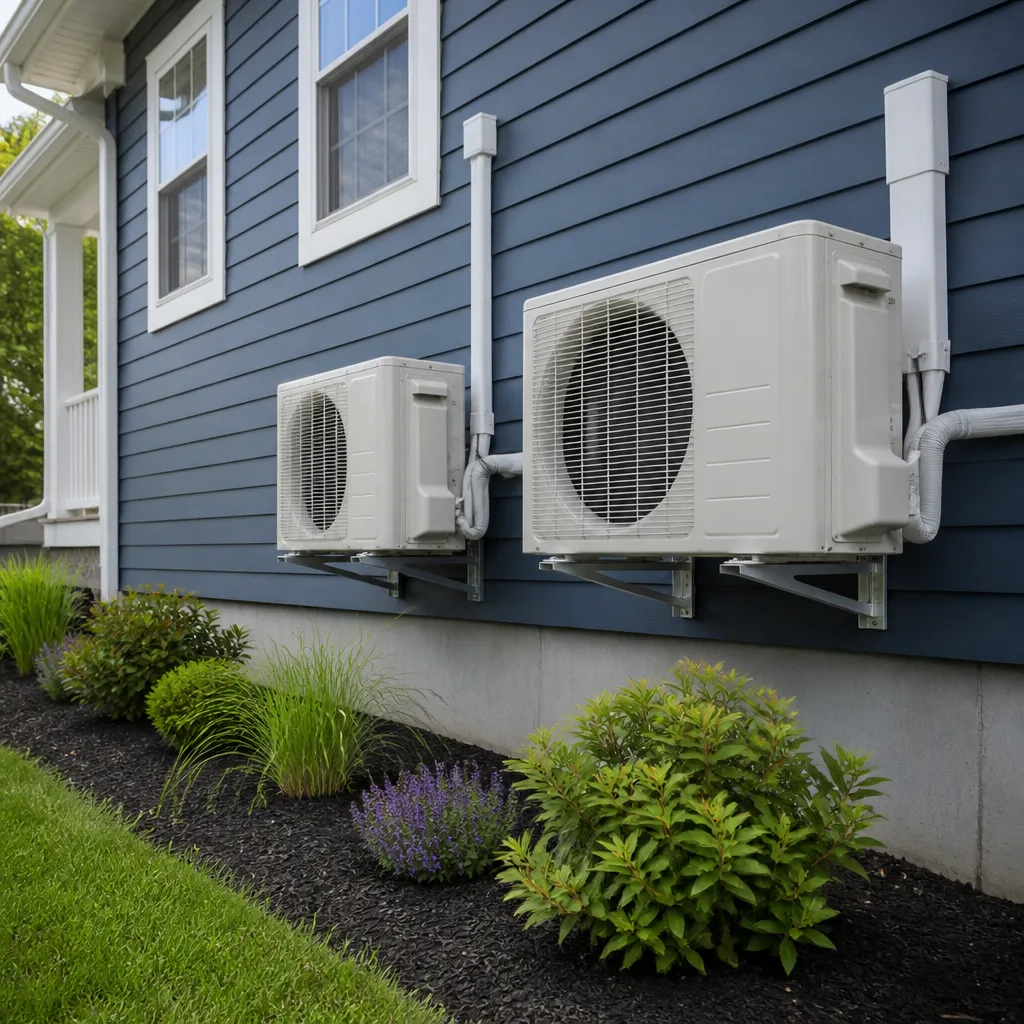 Ductless mini splits
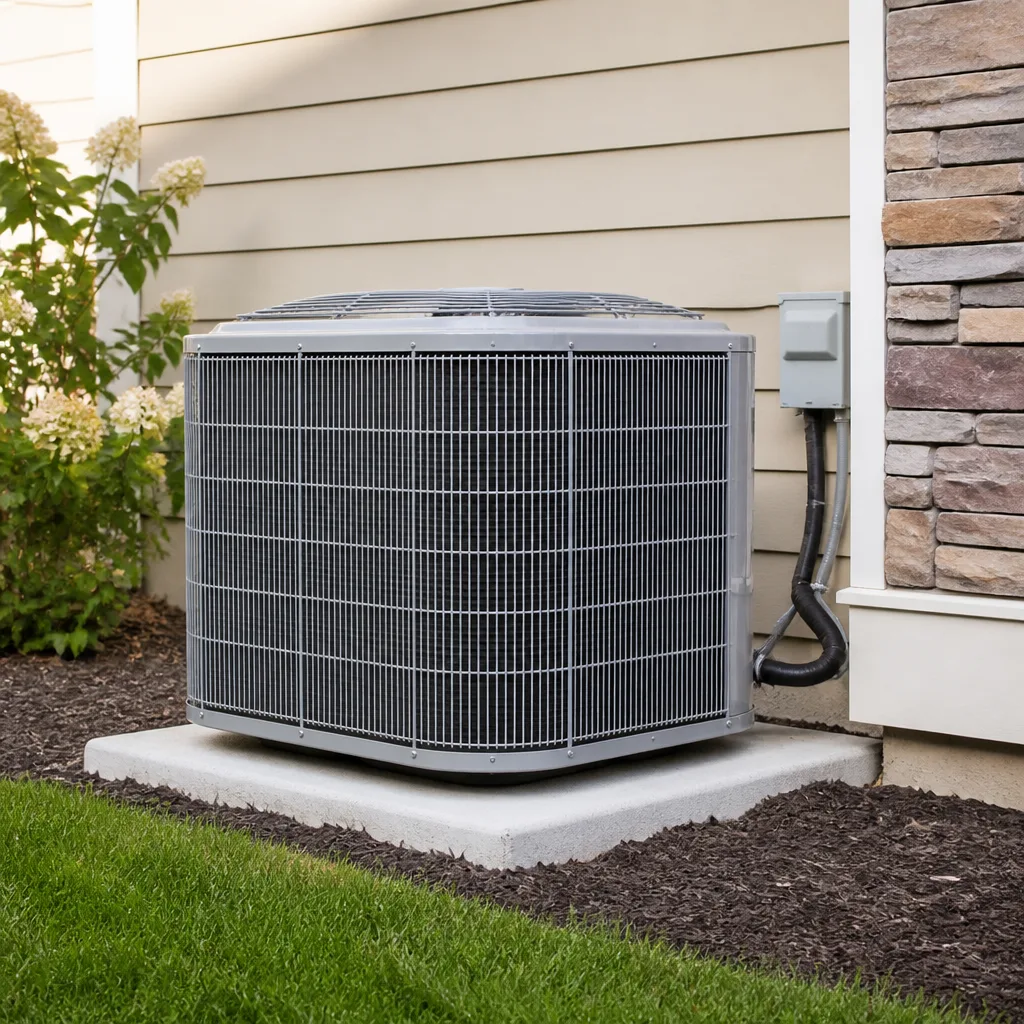 Carrier
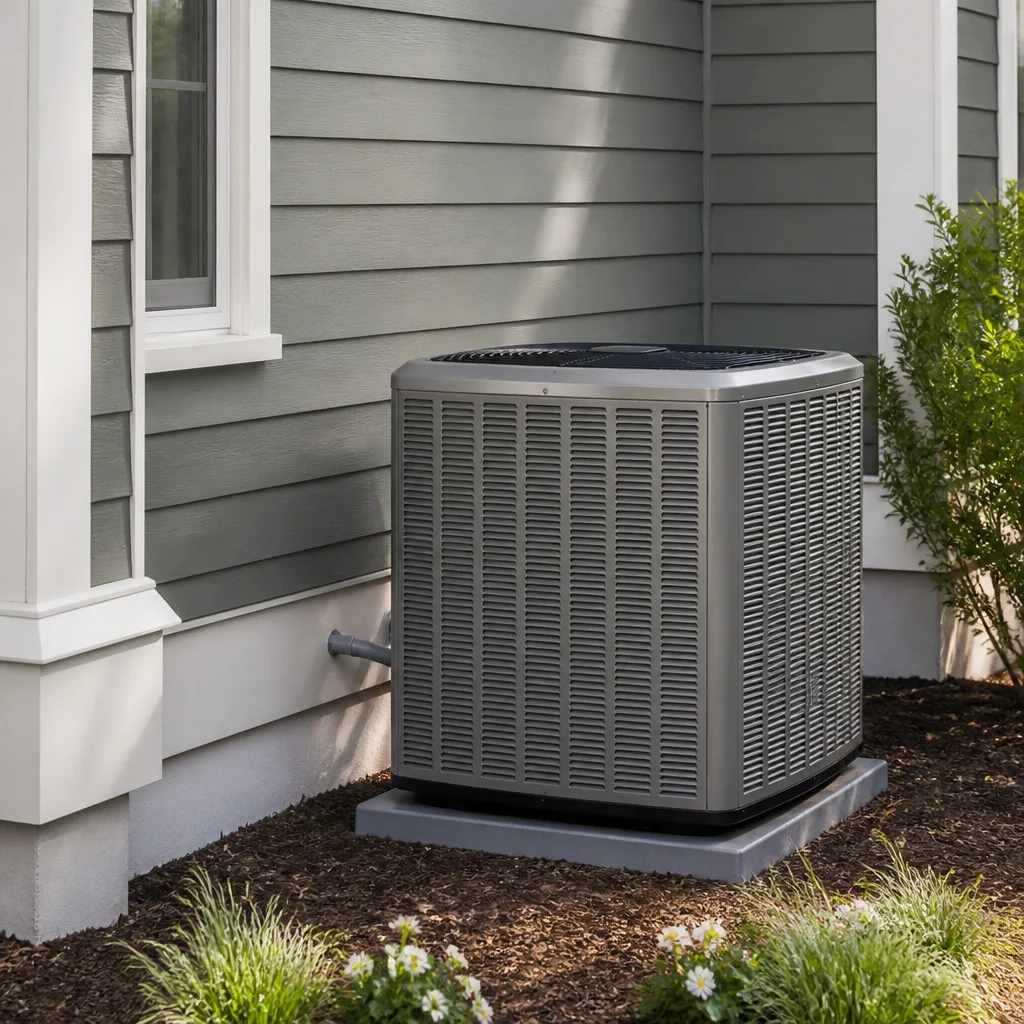 Trane
Trane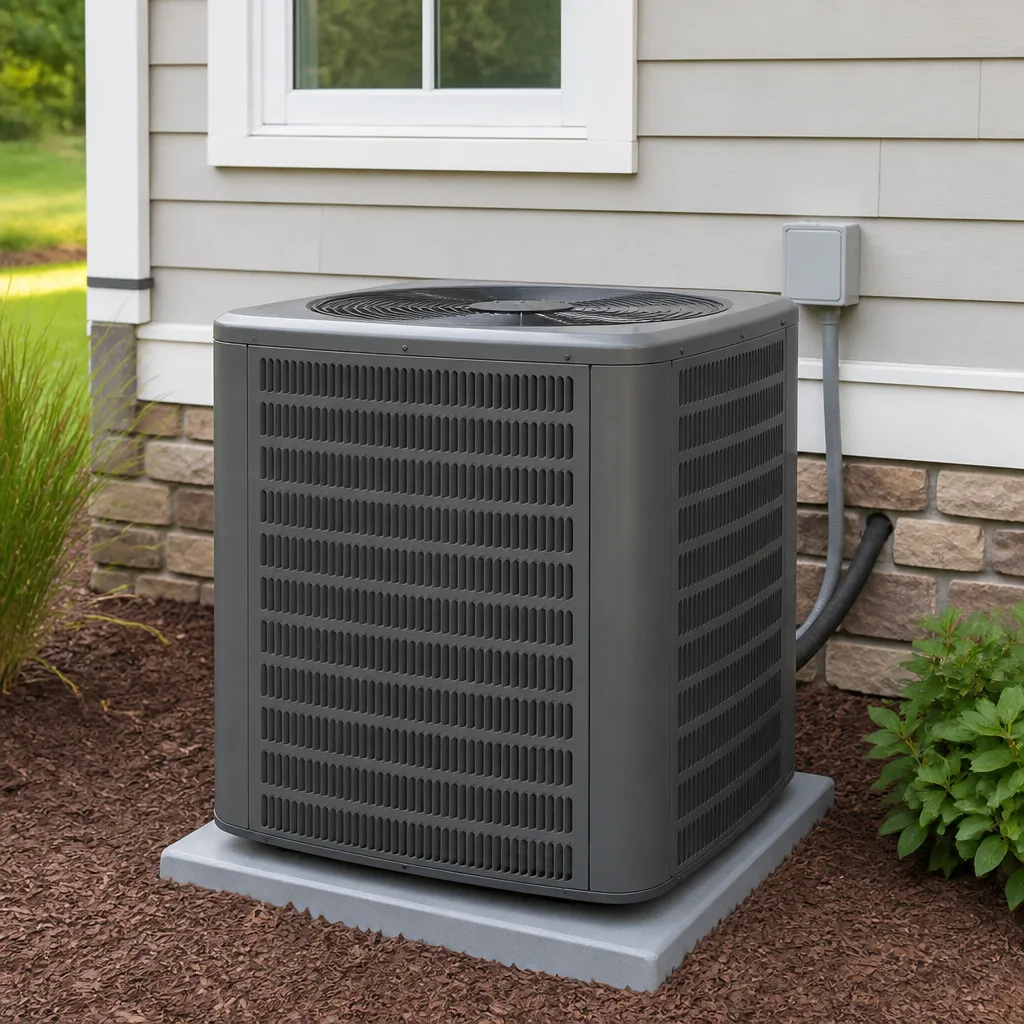 Goodman
Seasonal tune-up and full diagnostic on your Carrier, Trane, or Goodman system - readings shown to you before any repair is proposed
Diagnosis first, numbers second - you approve the repair price before a single part goes in.
Get your free estimateHow to Hire a HVAC Contractor in Long Beach: A Step-by-Step Guide
California’s Contractors State License Board (CSLB) database takes about 90 seconds to search, and it filters out roughly three out of every ten “HVAC companies” advertising in Long Beach. Most homeowners never run the lookup. They skip straight to price comparison, hire based on a Google ad or a door hanger, and find out weeks later that the crew that installed their ductwork has no C-20 license, no workers’ compensation coverage, and no legal obligation to come back when the system leaks condensate across a finished attic in Naples. This guide walks through a verification sequence that most contractors in Long Beach would rather you not follow, and you can find more guides & resources on our blog. By the end, you will know exactly which documents to request, which questions to ask before anyone opens an electrical panel, and how to read a written guarantee so the fine print does not quietly erase your coverage.
Quick Answer
To hire an HVAC contractor in Long Beach, verify the C-20 license with the CSLB, confirm general liability and workers’ compensation insurance in writing, require a line-item written proposal before any work begins, and get the warranty terms in writing, including what “parts and labor” actually covers. Then call references, confirm who handles permits, and make sure the company names the equipment brand and model number in the contract. Skip any contractor who balks at any one of these steps.
Styles & brands we work with
Table of Contents
- Step 1: Verify the C-20 License
- Step 2: Confirm Insurance (Not Just “Licensed and Insured”)
- Step 3: Understand What Written Pricing Actually Means
- Step 4: Ask Five Questions Before Anyone Opens a Panel
- Step 5: Read the Guarantee Like a Contract, Not a Brochure
- Step 6: Check References and Read the Red Flags
- Step 7: Put It All in Writing and Set the Job Scope
Step 1: Verify the C-20 License
In California, HVAC work requires a C-20 license, the state’s classification for warm-air heating, ventilating, and air conditioning contractors. The CSLB maintains a public database at cslb.ca.gov where you can look up any contractor by name, license number, or business name. This is the single highest-value 90 seconds you will spend in the entire hiring process, and most Long Beach homeowners never do it.
How to run the lookup
- Go to cslb.ca.gov and click “Check a Contractor’s License.”
- Enter the contractor’s business name or license number. The license number will be six digits.
- Look at the status field. You want to see “Active.” If it says “Suspended,” “Expired,” “Revoked,” or “Cancelled,” stop right there.
- Check the classification on file. For HVAC work it must list C-20, or in some cases a General Building B classification with a valid C-20 qualifier. A plumbing license (C-36) or an electrical license (C-10) does not authorize HVAC contracting.
- Verify the name on the license matches the name on the proposal. Contractors sometimes license under one entity and sell under another, which creates a legal dead end if something goes wrong.
We have seen Long Beach homeowners contact a company from a Facebook ad, book a furnace replacement in Bixby Knolls, and discover after the fact that the license on file belonged to a different company entirely. The crew finished the job, the permit was never pulled, and the homeowner had zero recourse through the CSLB because the contract did not match the licensed entity. That particular failure mode costs thousands to correct and is almost entirely avoidable with a single database search.
What an active license does and does not tell you
An active C-20 means the qualifier (the person who passed the trade and law exams) is current, the bond is on file, and workers’ compensation coverage has been reported. It does not mean the company has a clean complaint history. On the same CSLB page, you can view any disciplinary actions, civil judgments, or licensing board citations. If a contractor has three liens for unpaid suppliers in the last four years, that shows up. Read it. In our experience, contractors with clean records volunteer their license number before you ask. Contractors with something to hide hope you never look.
Step 2: Confirm Insurance (Not Just “Licensed and Insured”)
Every contractor website in Long Beach says “licensed and insured.” The phrase is close to meaningless without paperwork behind it. Insurance verification is a two-document exercise, and you want both documents sent to you, not described over the phone.
The two documents to request
- Certificate of General Liability Insurance – This covers property damage and bodily injury caused by the contractor’s work. A standard residential HVAC policy is $1,000,000 per occurrence. Ask that your name and property address be listed as the certificate holder. If the policy lapses mid-job, you get notified directly.
- Certificate of Workers’ Compensation Insurance – This matters more than most homeowners realize. If a crew member is injured on your property and the contractor has no workers’ comp, that injured worker can file a claim against your homeowner’s insurance. A contractor with employees and no workers’ comp coverage is a liability you are absorbing without knowing it.
A contractor who hesitates to provide either certificate is not necessarily fraudulent. Sometimes it is a one-person operation that has not renewed a policy, or a company whose office staff does not know where the certificate lives. But hesitation is information. In Long Beach, where a slip-and-fall on a wet tile entry off Ocean Boulevard or a ladder mishap at a two-story home in Los Altos can generate a six-figure personal injury claim, you do not want to be the uninsured backstop.
Request both documents before signing anything. A legitimate HVAC company in Long Beach will email them the same day, often within the hour. We send ours as a matter of routine with every estimate. It should never be a favor they grant you.
Step 3: Understand What Written Pricing Actually Means
There is a wide gap between a verbal price range and a written line-item proposal, and in HVAC contracting that gap is where projects go wrong. A technician who says “furnace replacement runs about eight to twelve grand” is not giving you a quote. They are giving you a starting point, and the final number will depend on variables that will suddenly materialize mid-installation.
A written quote means every material, every labor hour, every permit fee, and every incidental (drain line, disconnect box, condensate pump, thermostat wiring, haul-away, disposal) is broken out on paper before you sign. It specifies the brand and model number of the equipment, the SEER2 efficiency rating, the tonnage, and the scope of ductwork modifications if any. It states who is responsible for permits and who pays for them. It states the payment schedule and the job start window.
Why the distinction matters
Let’s say a Long Beach contractor gives you a verbal range of $9,500 to $12,500 for a heat pump replacement in a 1950s home in Carson Park. You agree, the crew shows up, and suddenly the existing line set (the copper tubing that carries refrigerant between the indoor and outdoor units) is undersized for the new system, the electrical service needs a new disconnect, and the platform the condenser sits on is cracked. Each of those is a legitimate discovery. Discoveries happen. We find them regularly on older Long Beach stock, especially in homes built before 1975 where the original HVAC infrastructure was sized for a different system entirely.
The problem is not that discoveries happen. The problem is how they are priced. A verbal range gives the contractor permission to charge whatever the market will bear for each discovery in the moment, when you have no leverage and no comparison point. A line-item proposal covers known variables and establishes upfront pricing for the likely ones. When an unexpected issue arises, you get a change order: a written addendum with the additional cost, explained and approved before the work proceeds. That is the difference between a contractor who quotes in writing and one who does not. We never start work, on any job, of any size, without a written price. We treat that as non-negotiable, and we built the company’s reputation in Long Beach on exactly that discipline.
Here is what a proper written quote for a split-system AC replacement in Long Beach should look like, as a line-item breakdown rather than a lump sum:
- Equipment (condenser and air handler or furnace): $4,200 to $6,800 depending on brand and efficiency rating.
- Indoor coil (if matched to existing furnace): $900 to $1,500.
- Labor for full system replacement: $1,800 to $3,200 depending on access, attic or closet configuration, and line set replacement needs.
- Permit fees (Long Beach city permit): $250 to $600 depending on project scope.
- Electrical updates or disconnect replacement: $200 to $500 if required.
- Thermostat (basic or smart): $80 to $300.
- Old equipment haul-away and refrigerant recovery: $150 to $400.
These ranges reflect the Long Beach market for mid-efficiency equipment in typical single-family homes. A full system replacement in Long Beach generally runs $8,000 to $14,000 when done properly, with most jobs falling between $9,500 and $12,000. For a deeper dive into pricing factors, see our HVAC Cost Breakdown: The Long Beach Homeowner’s Reference for 2026. A seventy-year-old home in Belmont Heights with a floor furnace and no ductwork is a different project than a 2005 tract home in Los Altos with existing ducts. The quote should show you it understands the difference. If all you get is a single number with no supporting detail, you are not getting a quote. You are getting a guess with a deposit request.
Step 4: Ask Five Questions Before Anyone Opens a Panel
Once licensing and insurance check out and the quote is in writing, there are five more questions to run through before you let anyone remove a panel or disconnect a line set. These apply to any HVAC job in Long Beach, from a simple capacitor replacement to a full-system changeout.
1. Who pulls the permit, and what happens if you don’t?
In Long Beach, mechanical permits are required for any equipment replacement, not just new installations. The city’s building department is clear about this. A contractor who says a permit is unnecessary for a furnace or AC replacement is either misinformed or trying to skip the inspection. Both are disqualifying. The permit protects you: an inspector verifies the installation meets code, the gas connections hold, the clearance distances are correct, and the condensate drains where it should. For details on the regulatory side, read our guide to HVAC Permits, Codes & Inspections in CA: What You Need to Know. If a contractor tells you the permit will cost extra or that you should pull it yourself, that is a red flag. The contractor holds the C-20 license, and the permit goes under that license. We pull permits on every replacement we do in Long Beach. It is part of the job, not an upsell.
2. What is your cleanup protocol, in writing?
Ask specifically what the crew does before leaving: Are they hauling away the old equipment, or are you left with a dead condenser on your driveway for the scrap man? Do they cover the work path with drop cloths? Do they vacuum the attic or closet where they worked? Does the quote include disposal of the old unit? Furnaces and condensers are heavy, and disposing of them properly involves refrigerant recovery (which is federally regulated under the EPA Section 608 rules). A crew that “forgets” to mention haul-away is often planning to leave it for you. We put cleanup and haul-away in writing on every job ticket, and the crew does not close the job until the site is clean. That is part of the Garrison Code we operate under, and it has been since the company was founded in 2003.
3. What exactly does the warranty cover, and where is it written?
Most equipment comes with a manufacturer parts warranty, typically 10 years on the compressor and major components if the system is registered. The labor warranty is separate, and this is where Long Beach homeowners lose ground. A contractor might say “we warranty our work” but never write it down. Then the compressor fails in month nine, the manufacturer covers the part, and the contractor charges you $900 in labor to install it because labor was never covered in writing. You want the labor warranty in writing, with clear terms: what it covers, how long it covers it, what voids it (most equipment warranties require annual maintenance and proof of it), and what you pay if anything. At Dalton Heating & Air Long Beach, every repair includes a written guarantee for a full year on parts and labor. If the work does not hold, we return at no charge. That is the 365-Day Done Right Promise, and it is a written term on every service ticket, not a marketing sentence.
4. What brand and model number are you installing?
This question filters out more contractors than you would expect in Long Beach. A company that cannot name the equipment brand and exact model number before the job starts is either selling whatever is on the truck or sourcing equipment from a liquidator. Both are problems. You want to know what you are getting, because brand matters for parts availability, warranty support, and long-term serviceability. A Goodman system and a Daikin system are both legitimate, but they are different equipment platforms, with different dealer networks and different parts distribution. We are factory-trained on nine major residential brands: Carrier, Trane, Lennox, Goodman, Rheem, York, Daikin, Bryant, and American Standard. When we quote a system, we quote a model number, not a vague “high-efficiency unit.” If the contractor cannot give you a model number before installation, expect the same vagueness when something fails and you need a part under warranty.
5. How do you handle old refrigerant?
This one is invisible to most homeowners but matters under federal law. When a system is replaced, the old refrigerant must be recovered, not vented to the atmosphere. Venting R-410A or R-22 is a violation of EPA regulations and carries fines. A contractor who does not own a recovery machine and a recovery tank is going to vent, and a contractor who vents is cutting corners you cannot see. Ask directly: “Do you recover the old refrigerant with a certified recovery unit?” The answer should be immediate and unqualified. Proper recovery is part of any legitimate Long Beach HVAC company’s standard replacement procedure. We include refrigerant recovery and disposal in every replacement quote, and it shows up as a line item on the written proposal.
Step 5: Read the Guarantee Like a Contract, Not a Brochure
Every HVAC company in Long Beach has some version of a satisfaction guarantee or a workmanship warranty. Most of them are short on specifics. The way to evaluate a guarantee is to read it as if you are already filing a claim, because the terms that matter are the ones that determine whether the claim gets paid.
What “parts and labor” should mean
A proper written guarantee covers both parts and labor. If a capacitor fails, the part is replaced at no charge AND the technician’s time is covered at no charge. If a repair on your furnace does not hold, the return visit is covered in full. That sounds obvious, but many contractors split the difference silently: the part is covered, the labor is not, and the “guarantee” costs you a $150 service fee plus an hourly rate. In our shop, the written guarantee means what it says. We cover parts and labor on every repair we perform in Long Beach, in writing, for a full 365 days. If the repair fails within that year, the return visit is free. No re-diagnosis fee, no “we found a different issue” runaround. That is the standard under which the company has operated since 2003, and it is the same standard on a $200 capacitor as it is on a $3,000 compressor.
Watch for the quiet exclusions
Read the fine print for exclusions. The most common ones in residential HVAC warranties are “normal wear and tear,” “acts of God,” “customer misuse,” and “failure to perform manufacturer-recommended maintenance.” Some of these are legitimate. A compressor that fails because you never changed the air filter for six years is not a warranty failure. But “normal wear” is a term that can be stretched to cover almost anything, and the vaguer the language, the easier it is for a contractor to deny the claim. A well-written guarantee defines the coverage period, states what is included, states what is excluded, and states how to make a claim. If the “guarantee” is a sentence on a website and nothing in writing, there is no guarantee.
Ask for the guarantee document before you sign the contract for any replacement work. After all, every Dalton Heating & Air Long Beach repair and installation includes the written guarantee with the proposal, not as an afterthought after the job is done. Marco Benitez, the owner, has run the company under The Garrison Standard since its founding, and the standard includes a single non-negotiable term on every job: written price, written guarantee, no exceptions.
Step 6: Check References and Read the Red Flags
References take ten minutes and almost nobody in Long Beach calls them. The contractor gives you three names, you call one or two, and you ask three questions: Did the crew show up on time? Did the final price match the written quote? Would you hire them again? That is it. You are not doing a background investigation. You are looking for a pattern. One bad reference with a credible story about a price that grew by $3,000 mid-job is more useful than five glowing ones.
In Long Beach specifically, the HVAC market has some failure modes that show up more than others. Learn to read them:
- The same-day system replacement quote. A full HVAC system replacement requires load calculation, duct assessment, equipment ordering, and permit filing. It is not a same-day job. A contractor who quotes a “same-day install” on a full furnace or AC replacement in Long Beach is cutting out load calculation, permit, or both. You do not want any of those cut.
- The brand mystery. If the contractor cannot tell you what brand they install, they are buying from whatever supplier has stock and marking it up accordingly. That is not a deal; it is a lottery.
- The permit reluctance. Long Beach requires mechanical permits for equipment replacement. A contractor who tells you the permit is unnecessary, or that “we can do it later if you want,” is asking you to absorb the legal risk of an unpermitted installation. When you sell the house, an unpermitted HVAC install shows up on the disclosure and costs you at closing.
- The license number that is not on the truck or the proposal. California requires the license number on all advertising, contracts, and vehicles. If the number is missing, ask why. Then look it up.
- The deposit that is 50% or more upfront. A reasonable deposit for a system replacement in Long Beach is 10 to 30 percent. More than that is a financing risk, not a work schedule.
None of these red flags are unique to Long Beach, but the market here has enough older housing stock, enough absentee landlords in Belmont Shore and Alamitos Beach, and enough out-of-area contractors chasing 90803 ZIP codes that these patterns repeat constantly. We have been called out to more than one Long Beach home where a “great deal” furnace install from an unlicensed crew left the homeowner with a cracked heat exchanger the city inspector would not pass. The fix cost more than the original job.
Step 7: Put It All in Writing and Set the Job Scope
The final step in hiring an HVAC contractor in Long Beach is the contract itself. A complete job is documented, and a documented job protects both parties. The contract should include every element you have verified up to this point, consolidated in one place.
What your contract should include
- Company name as it appears on the CSLB license, plus the C-20 license number.
- Equipment brand, model number, tonnage, and efficiency rating.
- Full line-item price, including permits, materials, labor, and disposal.
- Start window and expected duration of the job.
- Payment schedule, including total deposit and the milestone at which each payment is due.
- Warranty terms in writing: parts, labor, duration, and what voids coverage.
- Cleanup and haul-away responsibilities in writing.
- Permit responsibility: who pulls it, who pays for it, and who schedules the inspection.
- Change order process for any work discovered mid-job that was not in the original scope.
- Contact information for the project manager or supervisor, not just a general office line.
A contract that checks all ten boxes is not a guarantee that nothing will go wrong. What it does is convert the unknown into a process. When something surfaces mid-job (and something often does on older Long Beach homes), the change order provision covers how it gets priced and approved. When the inspection happens, the permit item covers who handles the scheduling. When you sell the house in three years, the documentation covers the disclosure requirement.
This list is also a good test. Hand it to any contractor in Long Beach and watch the reaction. A company that nods and adds their license number to page one is used to this. A company that gets defensive, tells you this is “a lot of paperwork for a furnace,” or says they do not normally work that way has just told you everything you need to know. HVAC work is mechanical, but the hiring process is administrative. The paperwork is the work.
Common Mistakes to Avoid
- Hiring the lowest quote without verifying the license. In the Long Beach market, the cheapest furnace replacement quote is often unlicensed, which means unpermitted, which means a liability at resale and a safety risk now. The savings are an illusion.
- Relying on a verbal price. If the price is not on paper, it does not exist. Verbal ranges have a way of expanding exactly when you have no alternatives.
- Not asking about permits. A surprising number of Long Beach homeowners assume the contractor “handles all that.” Then the city has no record of the installation, and the homeowner finds out when the title company runs the disclosure.
- Ignoring the CSLB complaint history. The license lookup shows disciplinary actions, not just active status. A contractor with three unpaid supplier liens in the last five years is a financial problem waiting to become yours.
- Skipping the insurance certificates. “Licensed and insured” is a slogan. The certificate is the reality. If a worker falls off a ladder at your home and the contractor has no workers’ comp, your homeowner’s policy is the target.
- Signing a warranty with the word “normal wear” as the only exclusion. That is not an exclusion; it is a loophole. Read the guarantee document, and if there is no document, there is no guarantee.
- Believing a same-day full system replacement is possible. It is not, not legitimately, not with permits and load calculations. In Long Beach, where summer heat comes off the harbor and AC demand spikes in August, contractors who promise same-day full replacements are promising to skip steps you need.
See the difference
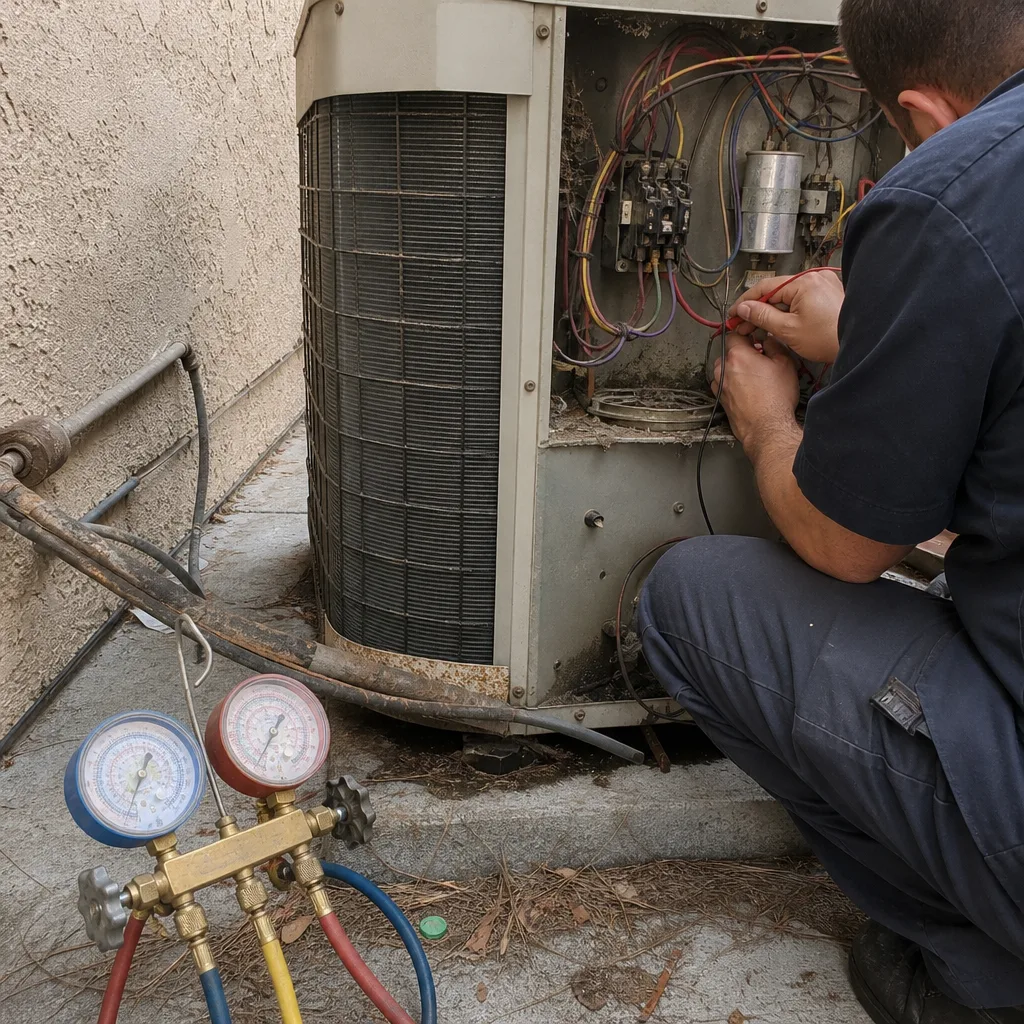 Before
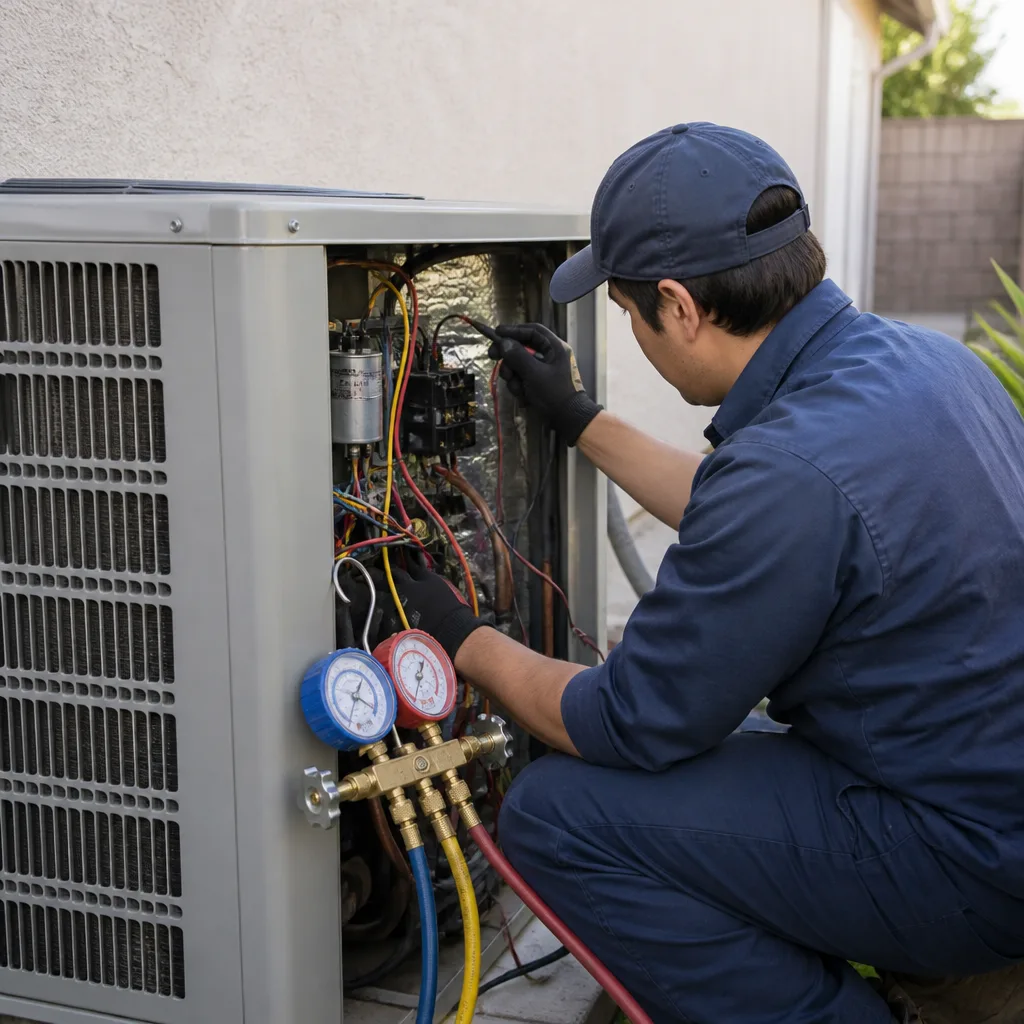 After
After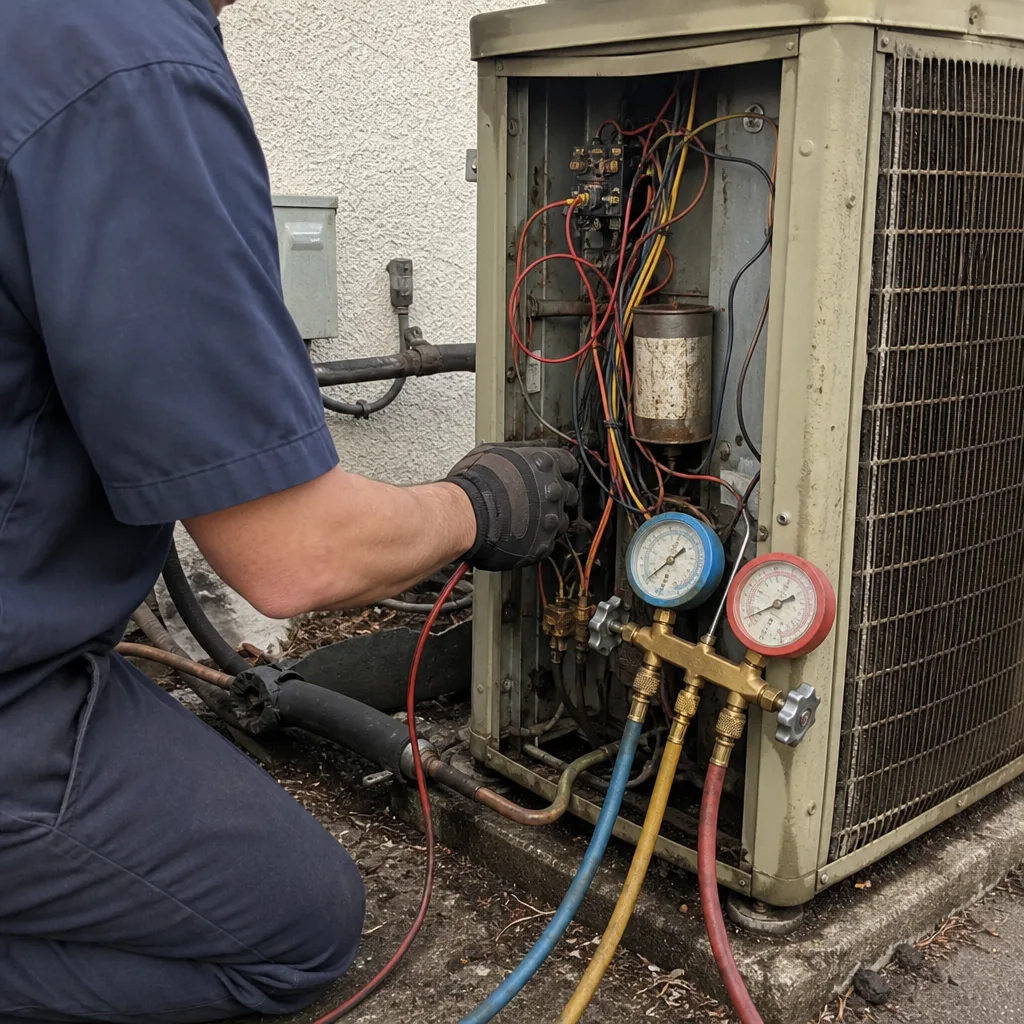 Before
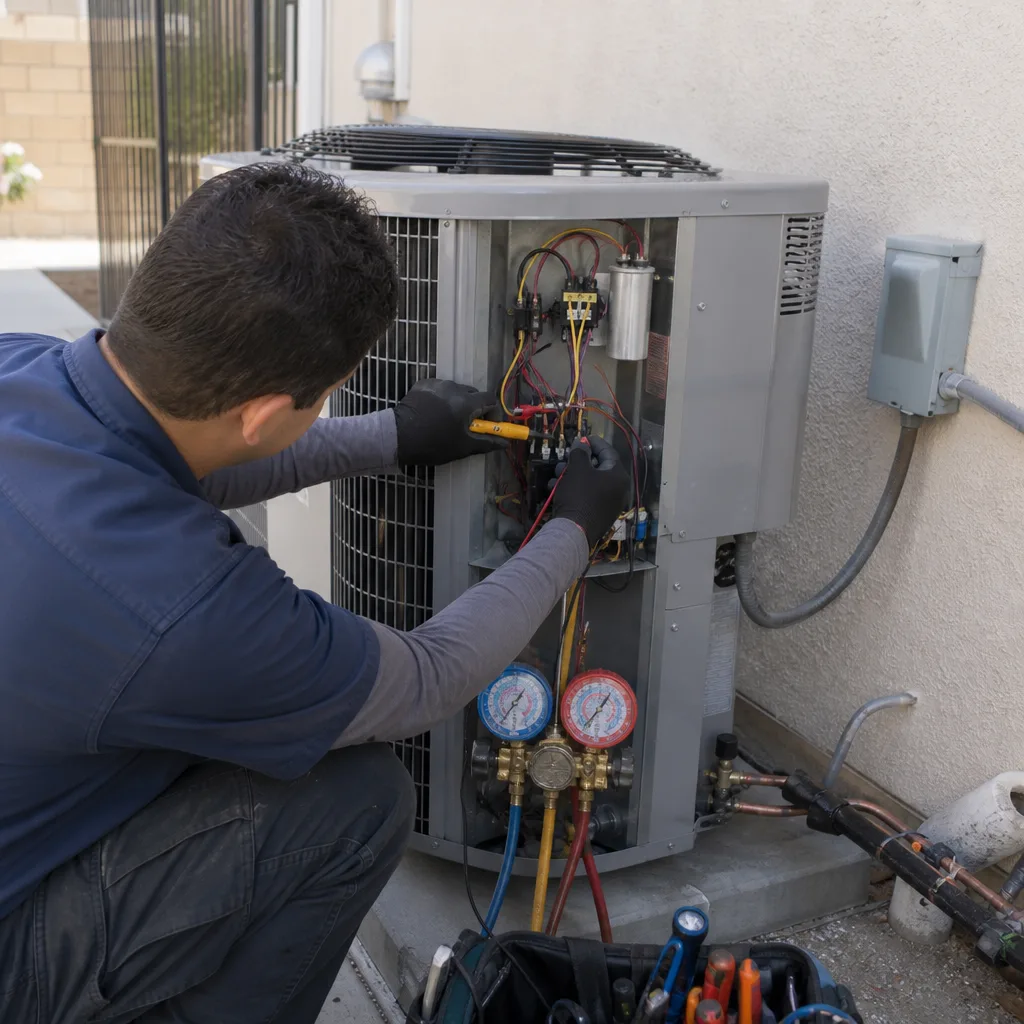 After
After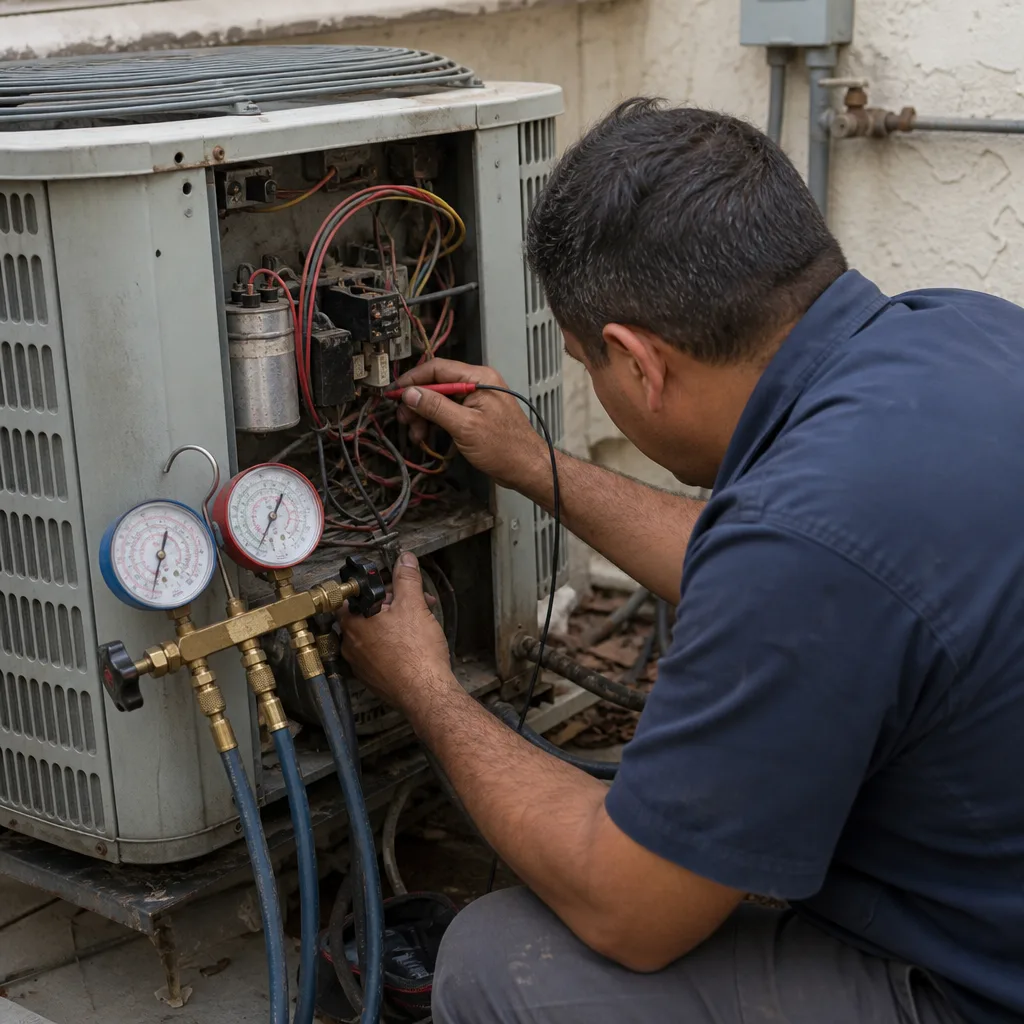 Before
 After
AfterWhen to Call a Professional
Some HVAC situations in Long Beach are not DIY candidates, and some are not even “handyman” candidates. A furnace that trips the carbon monoxide detector is not a maintenance issue; it is a safety issue. Gas line connections, refrigerant handling, and electrical panel work all require licensed professionals under California law, and the liability for getting them wrong falls on you, not on the person who “knew a guy.” In Long Beach’s older housing stock, we regularly see systems that were “fixed” by unlicensed side work, then fail inspection because the flue is misaligned, the gas line is undersized, or the refrigerant charge is off by 40 percent. These are not cosmetic problems. If your system is leaking refrigerant, making unusual noises, short-cycling, or blowing warm air during a Long Beach heat wave, stop resetting it and get a licensed technician on site. Our HVAC Warning Signs: A Long Beach Homeowner’s Reference Guide covers what each symptom means. If the repair is beyond a filter change or a thermostat reset, the savings from skipping a professional evaporate the first time the system fails overnight in a house on the island. Dalton Heating & Air Long Beach offers free estimates in Long Beach. Call (562) 512-7423, and a real person answers 24 hours a day, 7 days a week.
Frequently Asked Questions
Yes, and the requirement is state law, not a preference. The California Contractors State License Board requires a C-20 license for HVAC work, and the Long Beach building department requires mechanical permits for installations and replacements. An unlicensed contractor cannot pull a permit, which means the work is illegal the moment it is done, and your homeowner’s insurance may not cover damages from an unpermitted installation. Verify the license at cslb.ca.gov before you sign anything.
A complete system replacement in Long Beach typically runs $8,000 to $14,000 for a standard single-family home, with most jobs falling between $9,500 and $12,000. The final number depends on the brand (a Rheem system prices differently than a York or Bryant system), the efficiency rating, the access to the installation site, and the condition of existing ductwork and electrical service. Always request a line-item written quote, not a single lump sum, so you can see where the money is going.
This depends on the age of the system, the cost of the repair, and the system’s efficiency. Most manufacturers design residential systems for a 15- to 20-year service life. If your system is 12 years old and the repair costs more than 40 percent of a full replacement, replacement is usually the better financial call, especially in Long Beach where summer humidity and salt air shorten outdoor condenser life. However, a system that is only seven years old with one failed part is usually still worth repairing. A furnace repair in Long Beach typically runs $150 to $450 for common component failures, and a written repair guarantee protects you from repeat failures. For exact pricing, call (562) 512-7423 – estimates are free.
The major residential brands, including Rheem, York, Daikin, and Bryant, all produce reliable equipment when installed correctly. Brand matters less than installation quality and parts availability in your area. A well-installed budget brand will outperform a poorly installed premium brand every time. The more important factor is that your contractor is factory-trained on the brand they are installing and can service it under warranty. We service all nine major residential brands: Carrier, Trane, Lennox, Goodman, Rheem, York, Daikin, Bryant, and American Standard, and we quote model numbers before any work begins. If a contractor cannot tell you the exact brand and model going into your home, look elsewhere.
For repairs, yes, we schedule same-day appointments in most areas of Long Beach during the cooling season, and we answer calls 24 hours a day with a live person. A broken AC during a Long Beach heat wave is a health risk, not just a comfort issue, so we prioritize no-cooling calls. For full system replacements, the job requires load calculation, equipment ordering, and a city permit, so we set a written install date rather than promising same-day. For a repair call at (562) 512-7423 – a real person will answer and schedule you right away, with the price in writing before any work begins.
First, document everything: photos of the work, any text messages or written agreements with the contractor, and the names of everyone who worked on the site. Then contact the California Contractors State License Board to file a complaint. After that, hire a licensed C-20 contractor to inspect the work and determine what needs to be corrected. In some cases, homeowners choose to file a claim against their homeowner’s insurance, but coverage can be denied if the work was unpermitted and caused the damage. You may also want to have a licensed professional verify that the system is safe to operate before you continue using it, especially if gas lines or electrical connections are involved. This happens more often than most people think, and the inspection is usually faster and cheaper than the repair.
The Bottom Line
Hiring an HVAC contractor in Long Beach is a verification process. The workflow is simple, and every step is verifiable with a phone call, an email, or a 90-second CSLB search. Confirm the C-20 license and that the name on the license matches the name on the proposal. Get both insurance certificates. Require a line-item written quote with a model number on it. Ask the five questions: permits, cleanup, warranty, brand, refrigerant. Read the guarantee document and reject vague exclusions. Check one or two references, and walk away from any contractor who bristles at the paperwork. The companies that welcome this process in Long Beach are the ones that survive it. We have operated under exactly this standard since 2003, as a Garrison Partners company, and every job includes the same terms: written price, written guarantee, 365 days of coverage. Call Dalton Heating & Air Long Beach at (562) 512-7423 for a free estimate, and ask us to walk you through each step in person.
Written by Marco Benitez, Owner at Dalton Heating & Air Long Beach, serving Long Beach since 2003.