
Last updated October 16, 2026
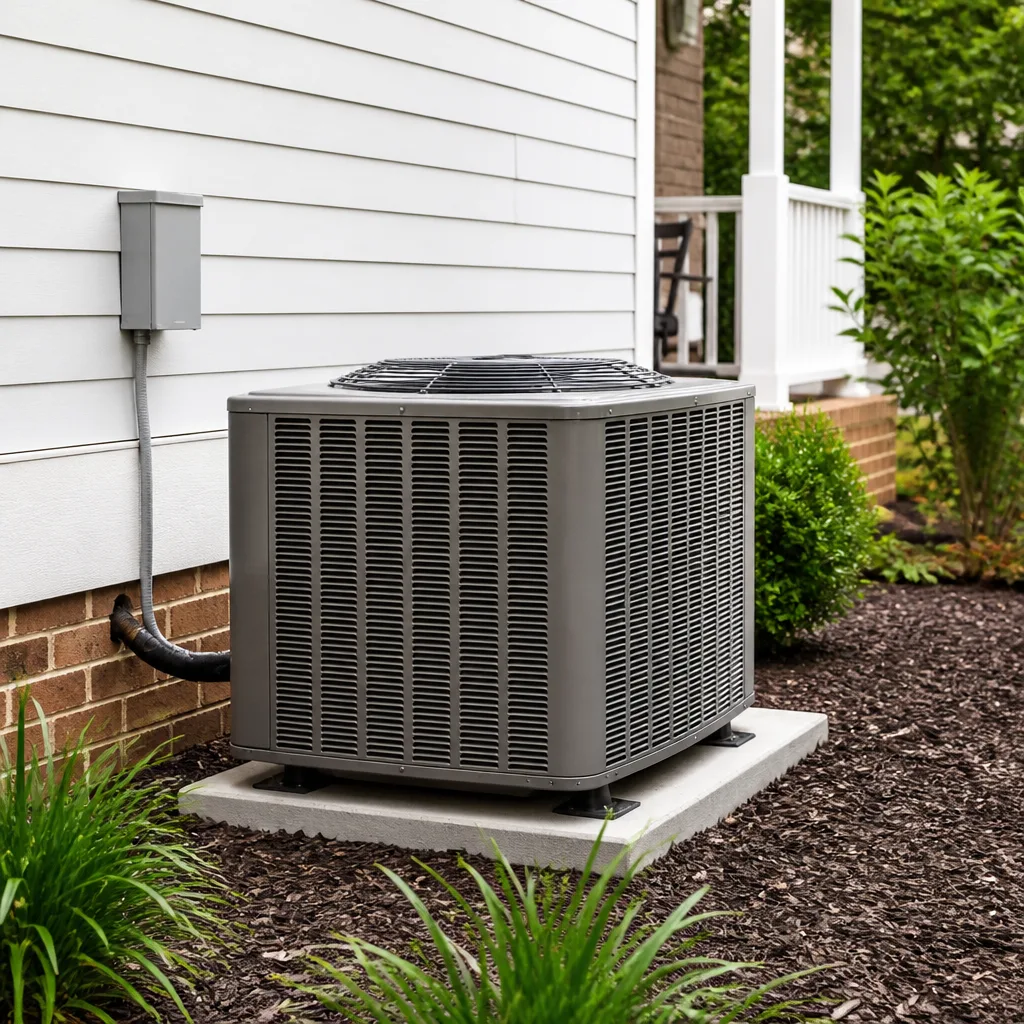 AC repair
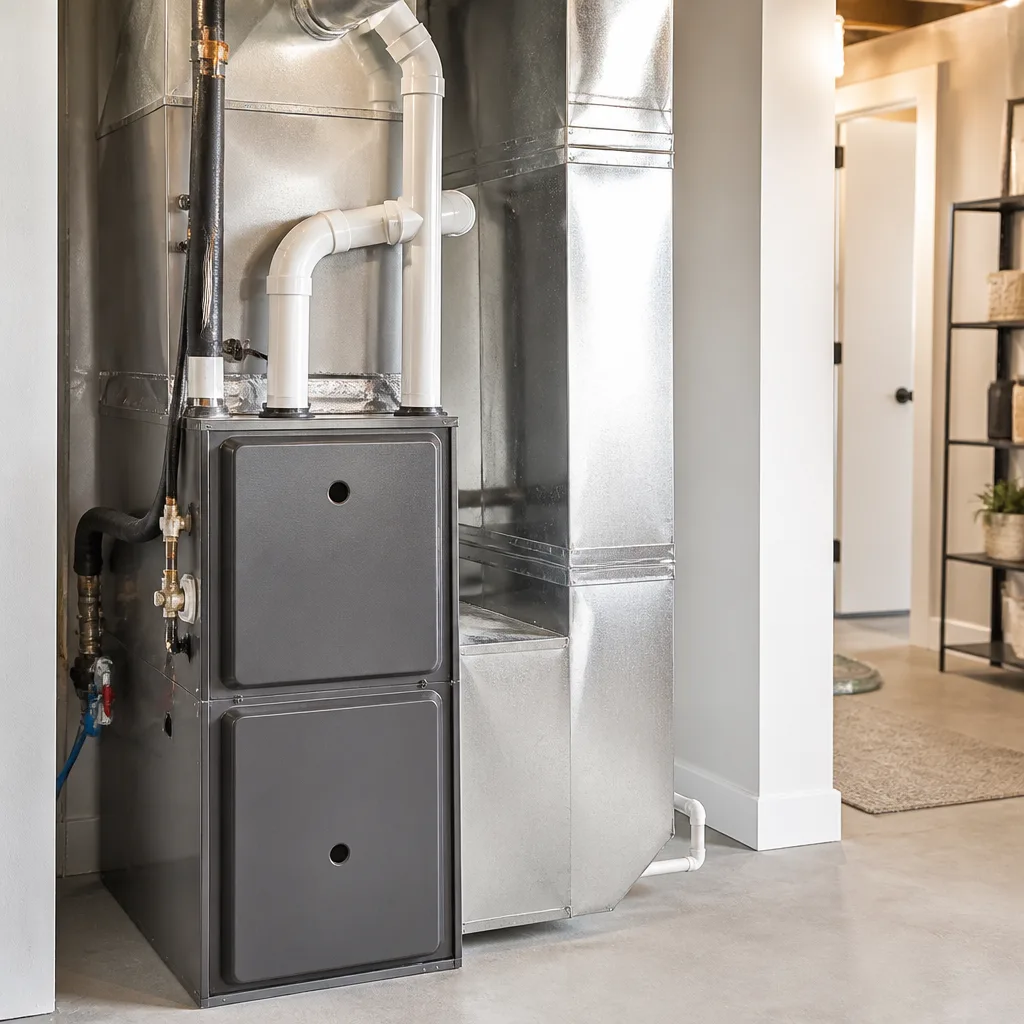 Furnace & heating
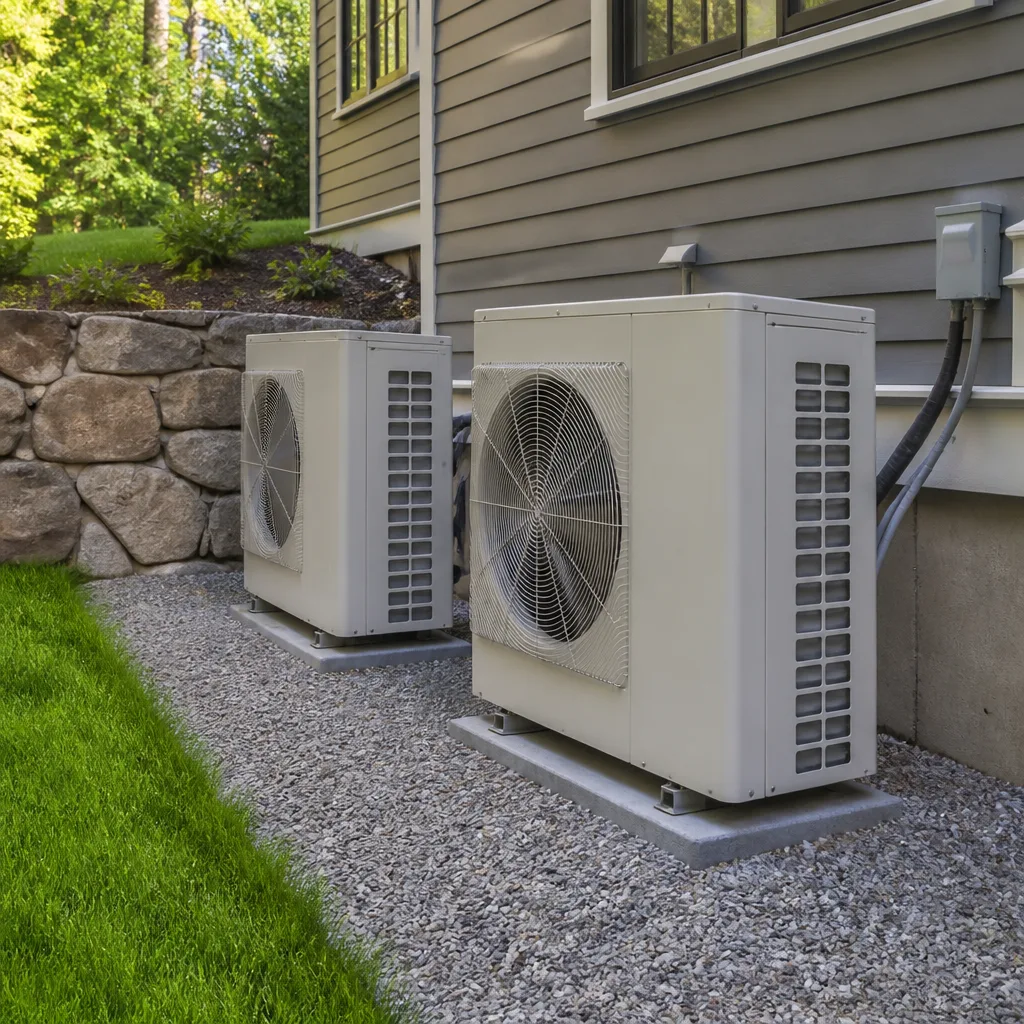 Heat pumps
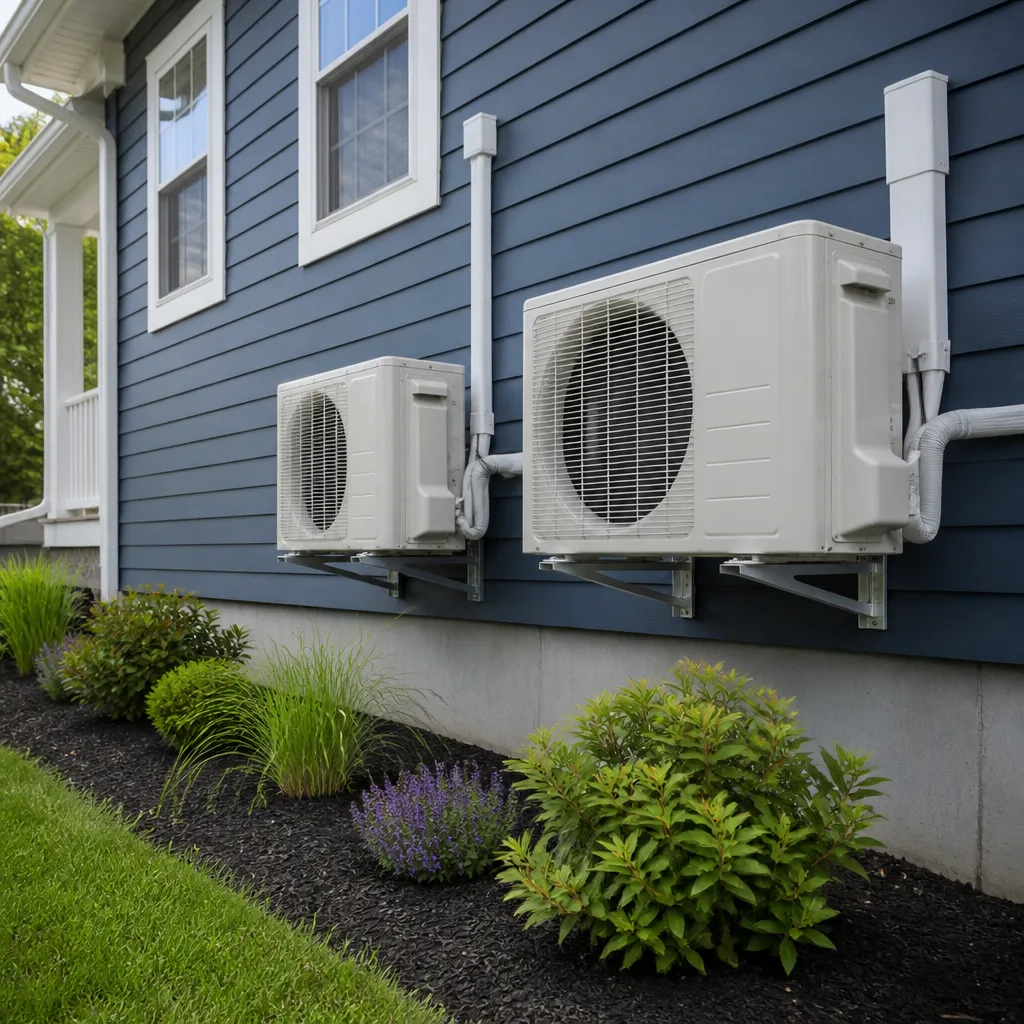 Ductless mini splits
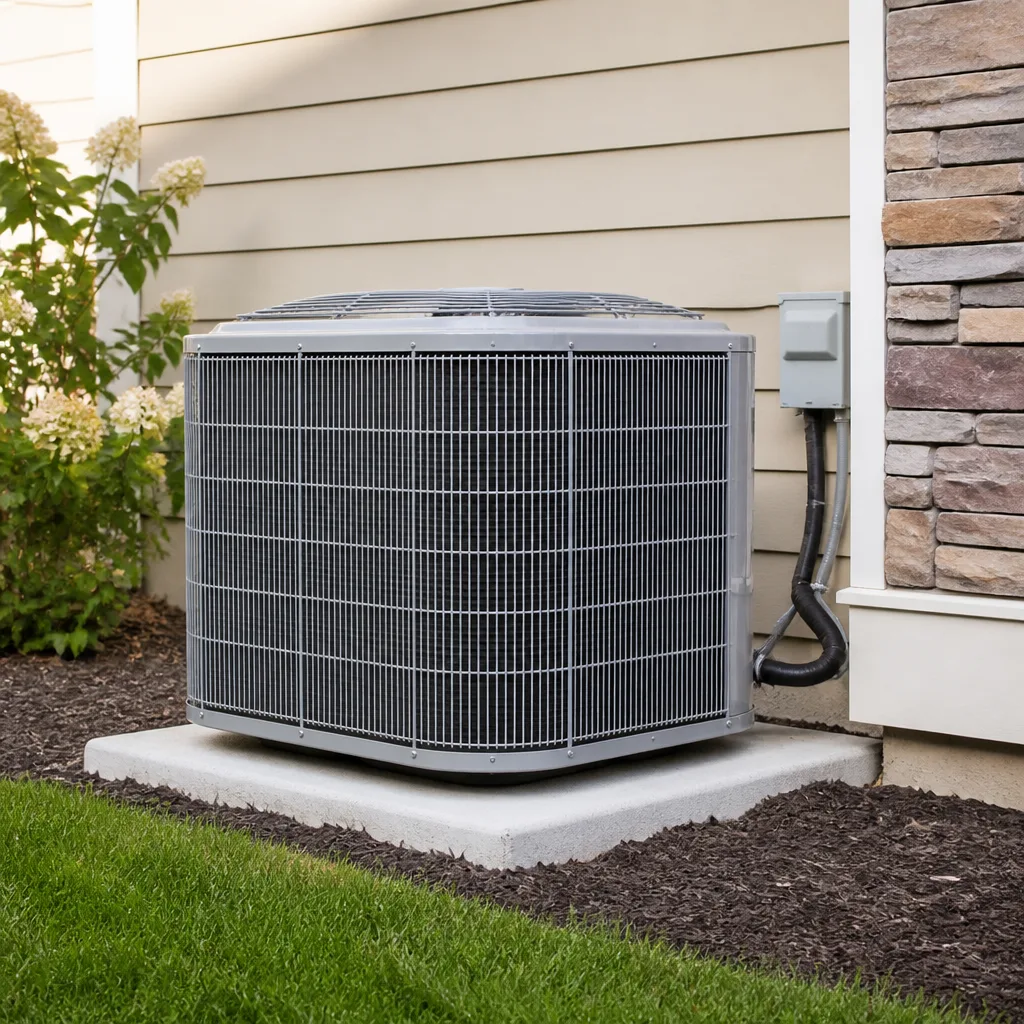 Carrier
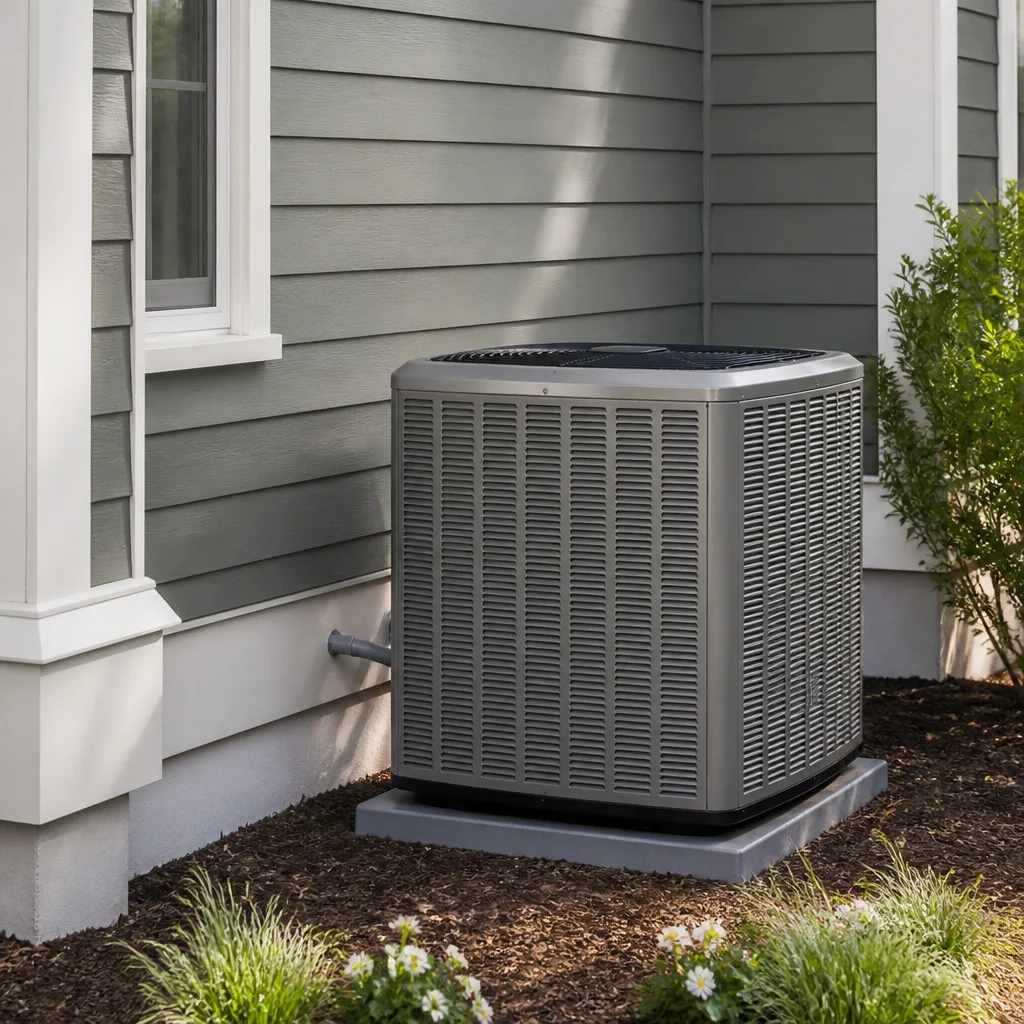 Trane
Trane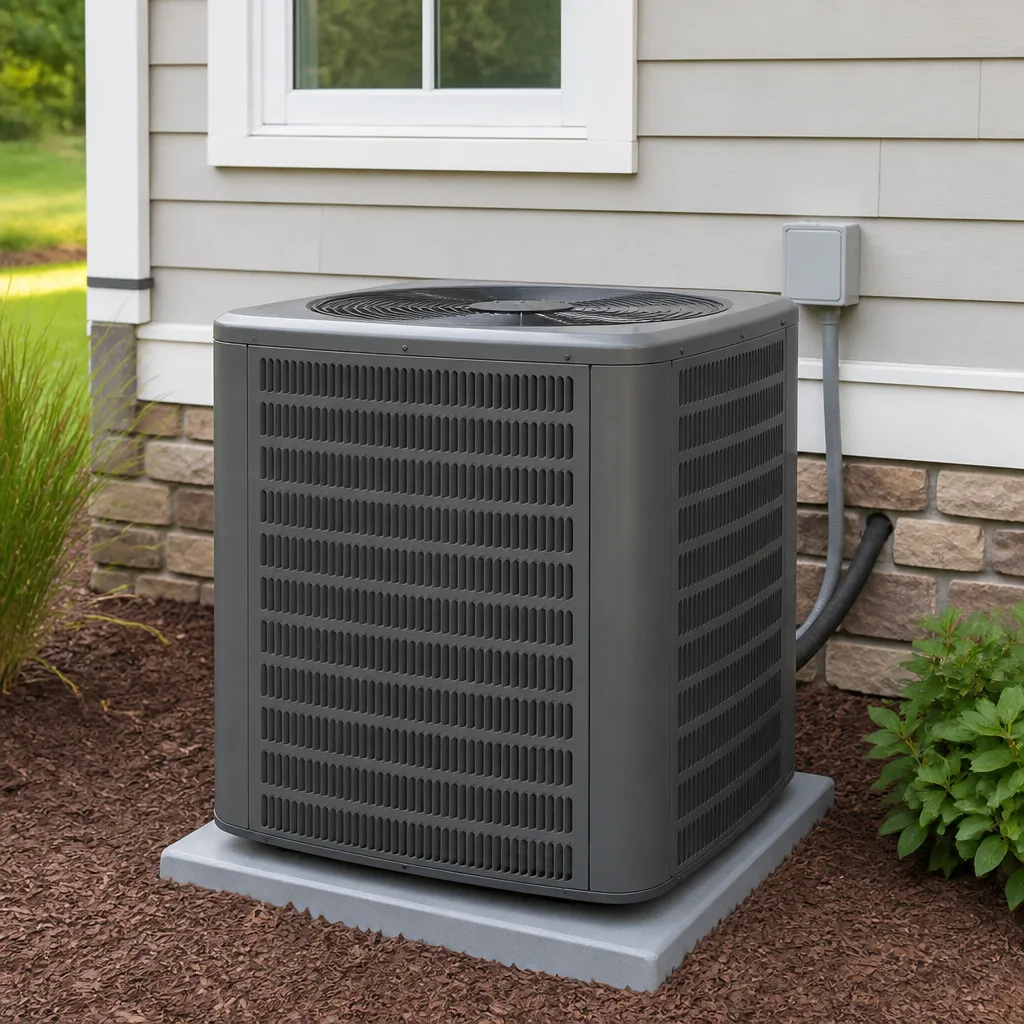 Goodman
Seasonal tune-up and full diagnostic on your Carrier, Trane, or Goodman system - readings shown to you before any repair is proposed
Diagnosis first, numbers second - you approve the repair price before a single part goes in.
Get your free estimateThe Complete Guide to HVAC in Long Beach
Almost every HVAC guide you’ll find online was written for generic California, which means it was really written for Riverside, Bakersfield, and the Inland Empire. For more guides & resources specific to coastal Southern California, see our blog. Long Beach is a different animal entirely. A 1.5-ton unit that runs perfectly in Riverside will short-cycle and fail early in Belmont Shore. Same square footage, completely different load calculation, because the Pacific Ocean is three blocks away. Ocean proximity changes everything: humidity, corrosion, runtime, even which coil material makes sense. This guide maps exactly how Long Beach’s coastal microclimates, marine-layer humidity, and salt air shape every HVAC decision from equipment sizing to coil coatings, so you stop buying systems built for the wrong climate.
Quick Answer
HVAC in Long Beach means sizing equipment for the city’s coastal microclimates, protecting coils from salt-air corrosion, and pulling permits through the city’s Department of Development Services before any install or major repair. Homeowners here face higher humidity, milder peak temperatures, and shorter equipment lifespans than inland cities, which drives different equipment choices, different maintenance schedules, and different replacement economics. Most Long Beach HVAC jobs fall into one of three buckets: routine repair or maintenance, targeted replacement of failed components, or full system replacement with heat pump options that now make more financial sense than traditional gas furnaces.
Styles & brands we work with
Table of Contents
- How Long Beach’s Climate Changes HVAC Sizing
- Salt Air and Coil Corrosion: What Actually Happens to Your Equipment
- Permits, Codes, and the Insurance Minefield in Long Beach
- Rebate Stacking: How Long Beach Homeowners Pay Less for Replacement
- Neighborhood by Neighborhood: How Your Home’s Age and Location Change the Job
- Repair vs. Replace: The Long Beach-Specific Math
- Heat Pumps and the Electrification Shift: What Makes Sense in 2026
- Maintenance That Actually Matters Here (and Maintenance That Doesn’t)
How Long Beach’s Climate Changes HVAC Sizing
Every correct HVAC installation starts with a Manual J load calculation. That’s the industry-standard method for figuring out exactly how many BTUs of heating and cooling a specific house needs, based on square footage, window orientation, insulation levels, air leakage, and local climate data. In Long Beach, the climate data is where generic installers get it wrong.
Here’s what most people don’t realize: Long Beach has at least three distinct climate zones within the city limits. Belmont Shore, Naples, and the Peninsula sit directly on the water. The marine layer rolls in most evenings, keeping summer temperatures in the mid-70s even when downtown Los Angeles hits 95. But the humidity is relentless, often above 70 percent at night. Wrigley and North Long Beach sit 15 to 20 blocks inland, where the marine layer burns off by mid-morning and temperatures run 8 to 12 degrees hotter. El Dorado Park and the east side run warmer still, closer to Lakewood and Cerritos patterns than beach patterns.
What this means in practice:
- A 2,000-square-foot home in Belmont Shore may need only 2.5 tons of cooling, but the same footprint in El Dorado Park might need 3.5 tons.
- A home near the water runs the AC fewer hours per year, but every runtime hour works harder to pull moisture out of the air. That’s a latent load, not a sensible load, problem. Undersized coils and undersized returns make it worse.
- Oversizing is a bigger sin here than inland. An oversized unit cools the air fast, shuts off, and never runs long enough to dehumidify. You get cold, clammy air and a mold-friendly house. We see this constantly in Wrigley bungalows where someone installed a 3-ton unit in a house that needed 2 tons.
When we size equipment for Long Beach homes, we run the full Manual J with the correct ZIP-specific design temperatures, not the generic Los Angeles County defaults. We also look at your existing ductwork, because most homes built before 1980 in Long Beach have ducts that leak 20 to 30 percent of conditioned air into the attic or crawlspace. Fixing ducts first often lets you buy a smaller, cheaper, and more comfortable system than replacing like-for-like.
Salt Air and Coil Corrosion: What Actually Happens to Your Equipment
If you live within about three miles of the ocean in Long Beach, the salt in the air is eating your condenser coil. This isn’t hyperbole. The evaporator coil inside and the condenser coil outside are the two metal components where heat actually moves, and both are made of aluminum with copper tubing in most systems. Salt spray, combined with Long Beach’s marine humidity, accelerates galvanic corrosion at the points where aluminum fins touch copper tubes. A standard condenser coil that lasts 15 years in Long Beach’s inland neighborhoods will often fail in 10 to 12 years near the water.
Here’s the good news: the manufacturers do make coastal-specific coil options, and they work.
- Carrier Coastal packages feature corrosion-resistant fin material and coated coils designed specifically for installations within 10 miles of saltwater. The coating slows the corrosion process substantially.
- Lennox XC series uses a zinc-aluminum fin material that resists salt corrosion far better than standard aluminum. These are the units we recommend for homes in Belmont Shore, Naples, and the Peninsula.
- Trane offers their WeatherGuard coastal protection on select models, which includes a baked-on coil coating and sealed electrical panels.
- Rheem and Goodman both offer coastal package options, though the coil protection is not as aggressive as the Carrier and Lennox options.
The cost difference for a coastal-spec condenser is typically $600 to $1,200 more than the standard version. When that difference buys an extra 5 to 7 years of equipment life, the math is straightforward for properties within the salt-splash zone. We install coastal-spec equipment in most of the 90803 and 90814 ZIP codes and a good portion of 90802.
One more thing about salt air: it’s not just the coil. Electrical connections, contactors, and circuit boards all corrode faster near the ocean. A maintenance visit that includes cleaning and tightening electrical connections extends equipment life measurably here, more than in inland communities where those parts don’t face the same exposure.
Permits, Codes, and the Insurance Minefield in Long Beach
The City of Long Beach requires mechanical permits for HVAC replacement, condenser replacement, heat pump installation, and most ductwork modifications. The permit path runs through the city’s Department of Development Services, not through Los Angeles County. This is a distinction that matters, because contractors who do most of their work in unincorporated LA County sometimes assume the county rules apply everywhere.
Why does this matter to a homeowner? Two reasons:
- Homeowners insurance claims get denied over unpermitted work. If your unpermitted HVAC system causes a fire or water damage and your insurer determines the work was done without permits, they can deny the claim. This is not theoretical. We’ve spoken with Long Beach homeowners who learned this the hard way after unpermitted mini-split installs. If the contractor you hire doesn’t handle permits, the permit is still your responsibility.
- Home resale disclosures now ask specifically about HVAC permits. More Long Beach real estate transactions are including HVAC permit checks during escrow. Unpermitted work becomes a negotiation tool that costs you money at close.
The Long Beach permit process for HVAC work is straightforward for contractors who do it regularly. The application includes the equipment specifications, a site plan, and in some cases a load calculation. The city’s Department of Development Services does a plan check for most replacements, then an inspector verifies the installation. A legitimate HVAC contractor who works in Long Beach will include the permit cost in the written price, pull the permit before starting work, and schedule the inspection. If a contractor tells you the permit “isn’t necessary” or offers a discount for skipping permits, that’s a signal to find another contractor. Our How to Hire a HVAC Contractor in Long Beach: A Step-by-Step Guide covers the red flags to watch for.
At Dalton Heating & Air, every install price we put in writing includes the City of Long Beach permit cost. We don’t offer unpermitted work as an option, because the risk to the homeowner isn’t worth the few hundred dollars saved.
Rebate Stacking: How Long Beach Homeowners Pay Less for Replacement
Long Beach homeowners replacing an older R-22 system with a high-efficiency heat pump or high-efficiency AC can access incentive money from multiple sources. The key is knowing how to stack them, because most people only hear about one of them.
Here’s how the incentives typically work in 2026 for a Long Beach homeowner:
- Southern California Gas Company offers rebates for high-efficiency furnaces and heat pump conversions through their energy efficiency programs. The rebate amount depends on the equipment’s efficiency rating and whether you’re converting from gas to electric.
- Southern California Edison offers rebates for high-efficiency AC units and heat pumps. SCE rebates are separate from SoCalGas rebates, so a dual-fuel or heat pump conversion can access both.
- Federal tax credits under the Inflation Reduction Act remain available for qualifying heat pump installations. The credit is calculated as a percentage of the equipment and labor cost, with a cap.
- Manufacturer rebates from the equipment brands run seasonally, usually in spring and fall. These stack with utility rebates and tax credits.
The paperwork is the part most homeowners don’t see coming. Each rebate program has its own application, its own documentation requirements, and its own filing deadline. A dealer who does this routinely collects the right FEG and AHRI reference numbers at install time, completes the applications, and keeps copies. If you’re doing it yourself, you’ll spend a full weekend on forms. At Dalton, we handle the paperwork as part of every replacement job and give you a printout of exactly which rebates apply to your specific equipment before you sign anything.
One timing note: the R-22 phase-out means refrigerant prices for older systems have roughly tripled since 2020. If you have an R-22 system that needs a recharge, the material cost alone often makes repair a poor financial decision compared to replacement. This is a Long Beach-specific consideration because so much of the city’s housing stock from the 1950s through the 1990s still has original or aging R-22 systems.
Neighborhood by Neighborhood: How Your Home’s Age and Location Change the Job
Long Beach is not one housing market, and it’s not one HVAC market either. Here’s what we see in specific parts of the city:
Wrigley and the Spanish Bungalows
The Spanish bungalows in Wrigley, most built in the 1920s and 1930s, present a clamshell plaster-over-lath challenge that standard duct runs can’t solve without opening walls. Many of these homes originally had floor furnaces, later converted to wall furnaces, and now need ductless mini-splits or carefully routed central systems. The attics are often inaccessible. The wall cavities are narrow. A mini-split or multi-split system is often the most practical option, though the aesthetic trade-off is real. We also see a lot of knob-and-tube electrical in this area, which sometimes requires a panel upgrade before a heat pump can go in.
Belmont Shore and Naples
Homes here face the harshest salt exposure in the city and the most aggressive marine-layer humidity. Coastal-spec equipment is non-negotiable within three blocks of the water, and honestly, within ten blocks is prudent. Many of these structures are on raised foundations with accessible crawlspaces, which makes duct repair simpler than in Wrigley but exposes ductwork to salt air from below. Register placement matters here: high-wall return air helps pull warm air and humidity from the top of the room, which improves comfort in the narrow two-story layouts common in Belmont Shore.
El Dorado Park and East Long Beach
The 1970s and 1980s tract homes in El Dorado Park, Los Altos, and the east side run hotter and drier than the coast. Standard equipment sizing applies here, with one caveat: many of these homes still have their original slab-ducted systems, and those ducts are now 40+ years old. Slab ductwork developing pinhole leaks is a common failure we see, and sometimes the best fix is abandoning the in-slab ducts entirely and running new ducts through the attic. That’s a bigger job than a simple system swap, but it solves the problem permanently.
Downtown and the Historic District
Condos and historic homes in the downtown area present unique access constraints. Historic district standards limit what you can change on the exterior, which affects condenser placement on visible facades. In many downtown condo buildings, the HVAC system is classified as a limited common element, and you’ll need building management approval for replacement. We’ve worked in many downtown Long Beach buildings and know how to navigate those approvals, including picking units that meet the building’s noise requirements.
North Long Beach
North Long Beach sits farthest from the ocean and experiences the city’s hottest summer temperatures, often 15 degrees warmer than the coast. Standard inland sizing applies, but the housing stock is a mix of small 1940s and 1950s stucco homes and newer construction, so every job starts with the actual measurements, not an assumption from the street.
Repair vs. Replace: The Long Beach-Specific Math
The standard advice is to replace equipment when the repair cost exceeds 50 percent of the replacement cost, or when the system is more than 15 years old. See our HVAC Cost Breakdown: The Long Beach Homeowner’s Reference for 2026 for realistic 2026 pricing. In Long Beach, we lean earlier on replacement for coastal properties because the corrosion factor means you can expect less remaining life from any equipment that’s already showing age.
Here’s a framework that reflects what we see in Long Beach homes:
- Compressor failure on a 12-year-old coastal unit: Replace. The salt exposure means the rest of the unit has limited remaining life, and the compressor cost alone is 30 to 40 percent of a new condenser. Putting a new compressor into a corroded cabinet is throwing money away.
- Evaporator coil leak on an 8-year-old inland system: Repair. The coil should be under warranty for 10 years from most manufacturers, so the labor is the main cost. The rest of the system has meaningful remaining life.
- Furnace heat exchanger crack on a 20-year-old unit: Replace immediately and stop using the furnace until it’s replaced. A cracked heat exchanger is a carbon monoxide risk.
- R-22 refrigerant leak on a system older than 15 years: Replace unless the leak is minor and repairable. R-22 refrigerant now costs hundreds of dollars per pound. A recharge that costs $800 to $1,200 is common, and if the leak persists, you’ve spent that money for nothing.
- Blower motor failure on a 10-year-old system: Repair, especially if the compressor and coils are in good shape. A blower motor replacement is one of the most common mid-life repairs and shouldn’t trigger a replacement decision.
One thing we tell every Long Beach homeowner: if you own your home long-term and you’re replacing a failed 3-ton condenser on the coast, don’t buy a 14 SEER standard unit to save $800. Buy the coastal-spec unit with the higher efficiency. The coastal-spec part matters more than the efficiency rating.
Heat Pumps and the Electrification Shift: What Makes Sense in 2026
Heat pumps are the most overhyped and simultaneously most underpriced piece of HVAC equipment available in Long Beach right now. Overhyped by people who say they work perfectly everywhere for everyone. Underpriced by homeowners who don’t realize the rebate stacking described above can make a heat pump the cheapest solid option on the table.
Here’s the direct reality for Long Beach:
- Long Beach’s winter temperatures almost never drop below 40 degrees. Modern cold-climate heat pumps produce full rated capacity down to 5 degrees Fahrenheit. You will never find the temperature where their efficiency collapses. The technology is ideally matched to this climate.
- Heat pump installation in Long Beach makes the most sense when you’re replacing both the AC and the furnace at the same time, or when you’re replacing a furnace and your AC condenser is also near end of life. Switching a perfectly good AC plus furnace combo to a heat pump just because it’s trendy is not a good use of money.
- The rebate math is genuinely compelling. Between SoCalGas, SCE, federal tax credits, and manufacturer rebates, we’ve seen Long Beach homeowners net $3,000 to $5,000 back on qualifying heat pump installations. The exact figure depends on the equipment efficiency, the conversion type, and the program year.
- Heat pumps need proper sizing and proper airflow to deliver their efficiency ratings. A heat pump on bad ductwork will underperform and cost more to run than it should. We won’t install a heat pump on a Long Beach home without verifying the ductwork can support it.
We’re a factory-trained installer for Carrier, Trane, Lennox, Goodman, Rheem, York, Daikin, Bryant, and American Standard heat pump lines, so we can match the equipment to the house and the budget without bias toward any single brand. Marco Benitez, who leads our team, has been doing heat pump retrofits in Long Beach homes for the better part of a decade.
Maintenance That Actually Matters Here (and Maintenance That Doesn’t)
Most HVAC maintenance plans are designed to create recurring revenue for the contractor, not to protect your equipment. In Long Beach, there are three specific maintenance tasks that genuinely matter, and a bunch of tasks that are just filler.
The tasks that matter for Long Beach:
- Coil cleaning, twice a year. Salt film and coastal debris accumulate on condenser coils faster than most homeowners realize. A dirty coil reduces efficiency by 10 to 15 percent and accelerates corrosion. Coil cleaning is the single highest-value maintenance task for coastal properties.
- Drain line inspection and treatment. Long Beach’s humidity means condensate drains run constantly during summer. Algae buildup in the drain line causes water damage when the line clogs. This is the most common preventable emergency call we see.
- Electrical connection inspection and tightening. Salt air corrodes connections and creates resistance, which creates heat, which fails parts. Inspecting and treating electrical connections extends contactor and board life.
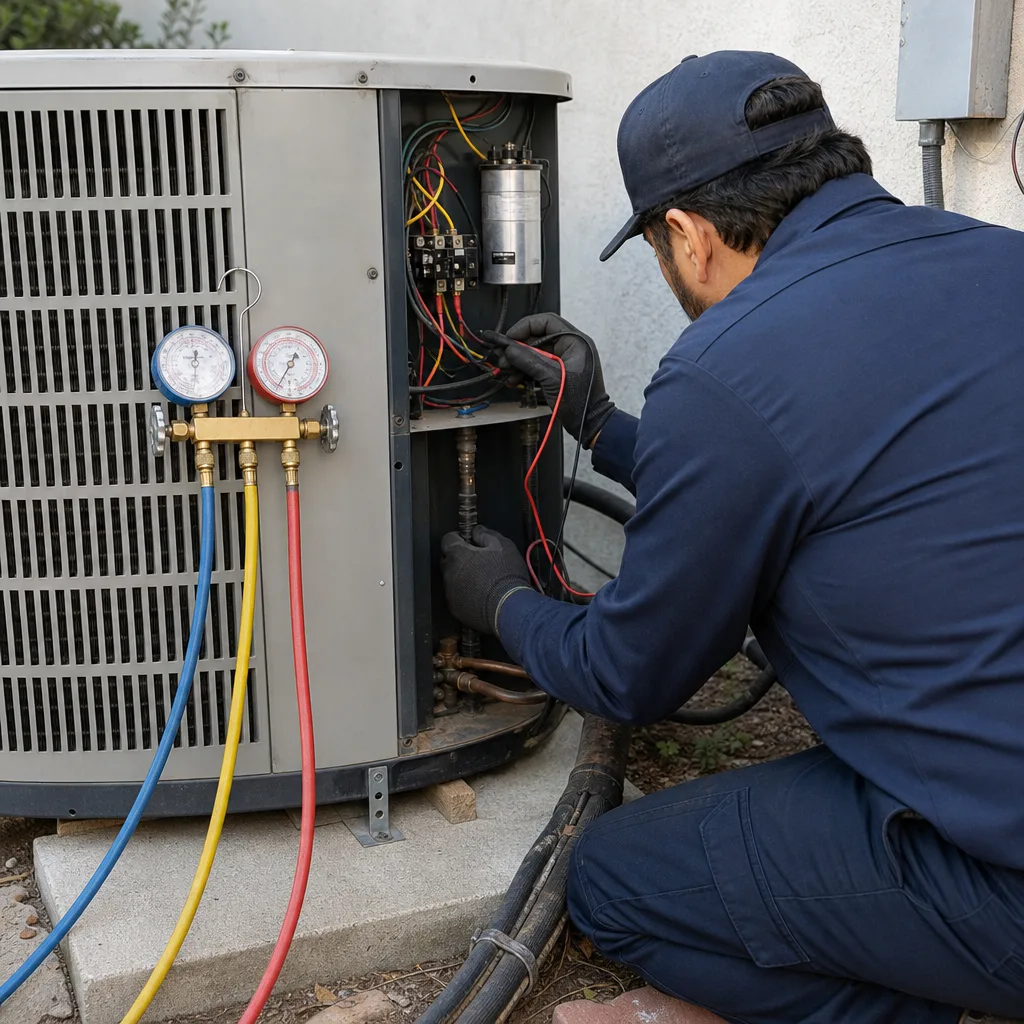
The tasks that matter less: “multi-point inspections” that check 30 items but don’t include coil cleaning, refrigerant level checks on systems that are cooling fine (checking requires gauges, and hooking up gauges introduces a small risk of contamination), and “performance tune-ups” that don’t have a defined protocol.
We tell every Dalton client: a $120 maintenance visit that includes coil cleaning, drain line treatment, and electrical inspection is worth ten times a “free seasonal checkup” that finds $600 of “needed repairs.” If you’re in Long Beach and want a maintenance visit that’s honest about what your system actually needs, we do flat-price maintenance with a written report of what we found and what we recommend, and our technicians aren’t paid on what they sell.
Common Mistakes to Avoid
- Buying equipment sized for inland California. A Long Beach home three blocks from the ocean needs a different load calculation than a house in Lakewood or Cerritos. Oversized equipment will short-cycle, under-dehumidify, and die early.
- Skipping the coastal coil upgrade on a beachside property. Saving $800 on a standard coil now costs you 5 to 7 years of equipment life. Coastal-spec coil protection from a Long Beach AC repair specialist who knows the difference is the cheapest insurance you’ll buy.
- Letting a contractor work without permits. Unpermitted HVAC work in Long Beach voids insurance claims and becomes a resale liability. The permit cost is small compared to the risk.
- Recharging an R-22 system without finding the leak. R-22 refrigerant is expensive and getting more expensive. A recharge without a leak repair is a stopgap, not a fix, and the refrigerant will leak out again.
- Ignoring ductwork health. Leaky ducts in Long Beach homes waste conditioned air into attics and crawlspaces, force your system to work harder, and can pull humidity into the house. If your ducts are original and your home is more than 30 years old, duct evaluation belongs in the conversation before equipment replacement.
- Postponing heat pump evaluation until the furnace fails. Emergency replacements don’t get rebate paperwork done properly. If your furnace and AC are both over 12 years old, start looking now, not on the day the heat goes out.
- Assuming all HVAC contractors follow the same standard. They don’t. The difference between a contractor who puts the price in writing before starting and one who doesn’t is the difference between a predictable job and a stressful one. Ask for the written price before any work starts, every time.
See the difference
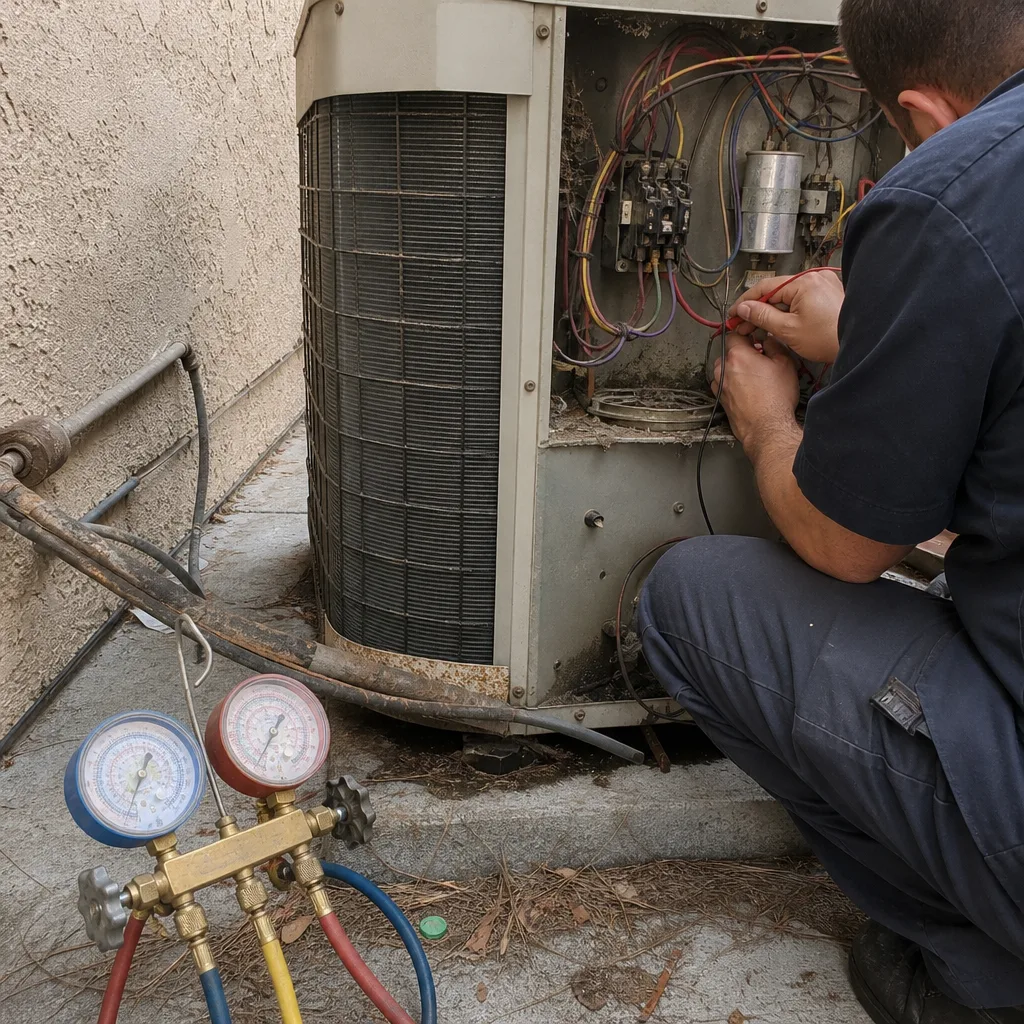 Before
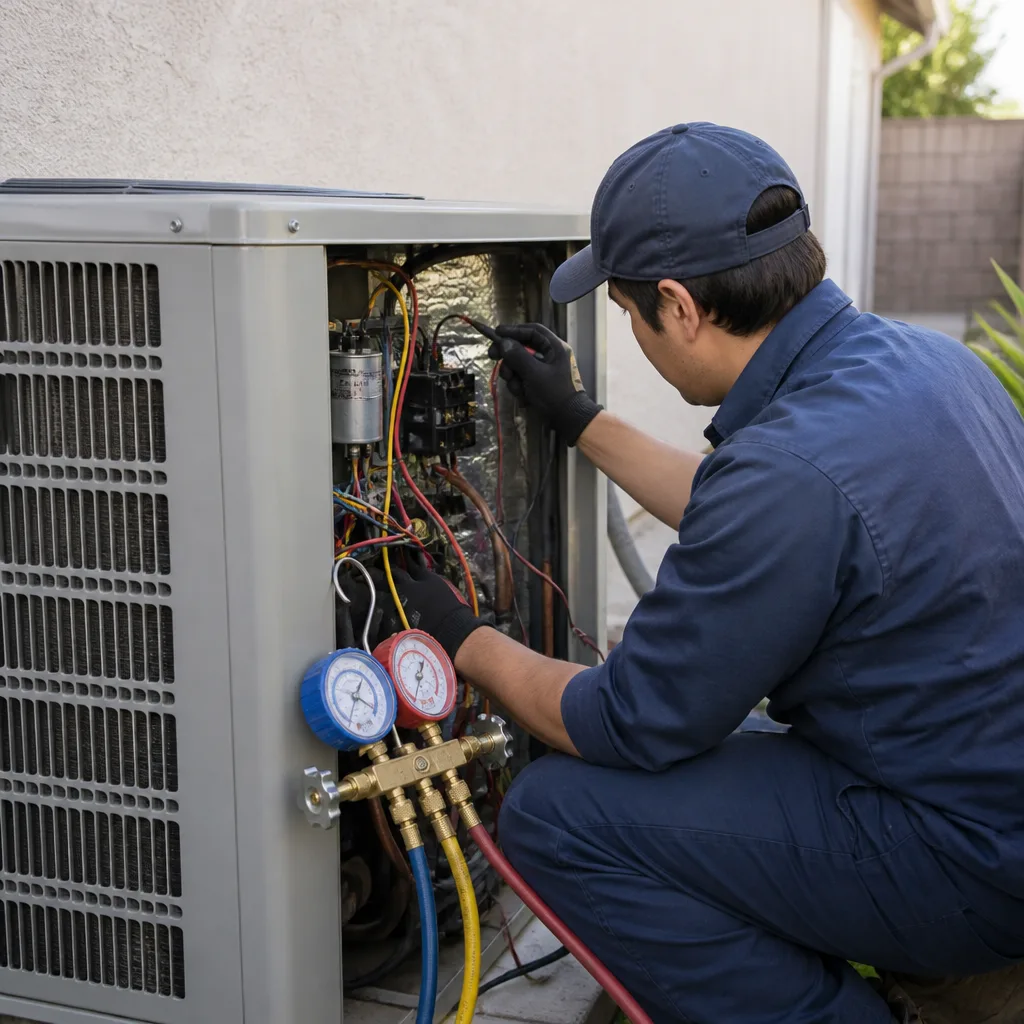 After
After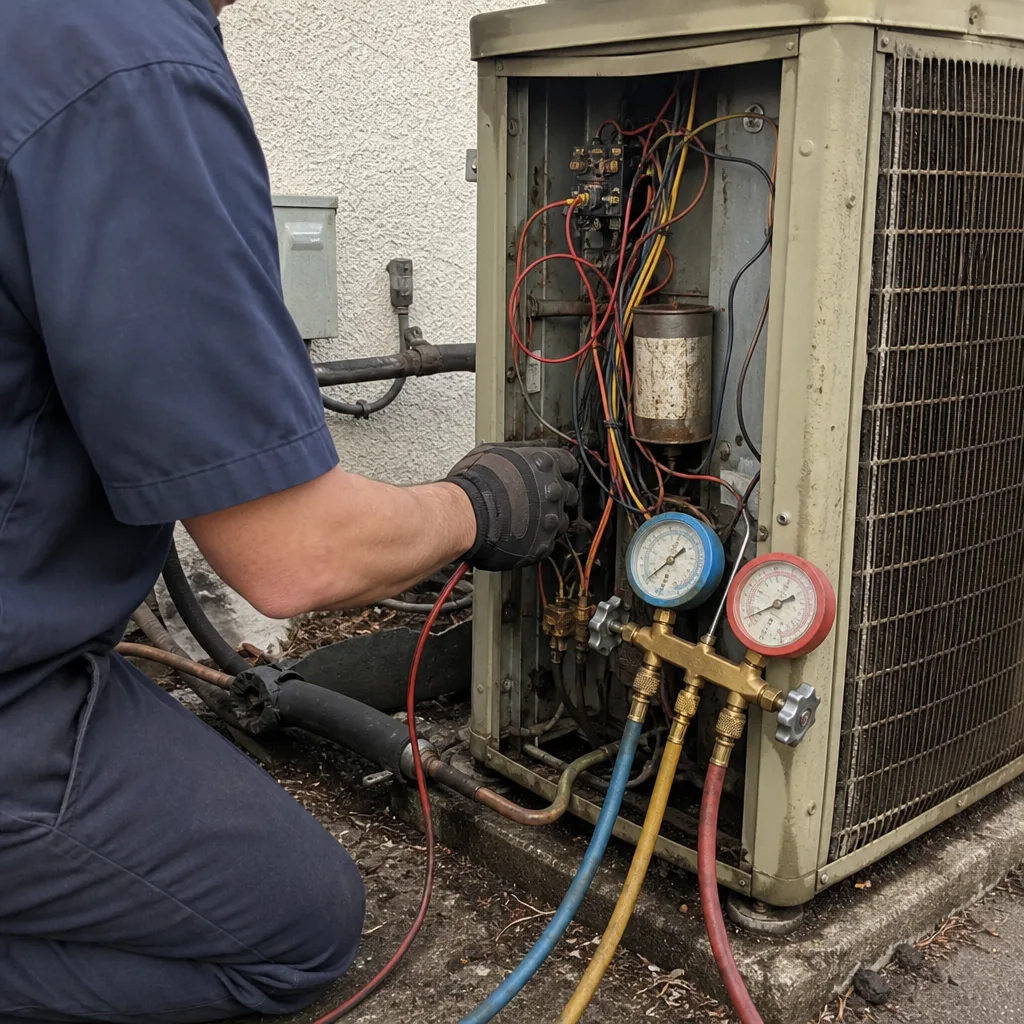 Before
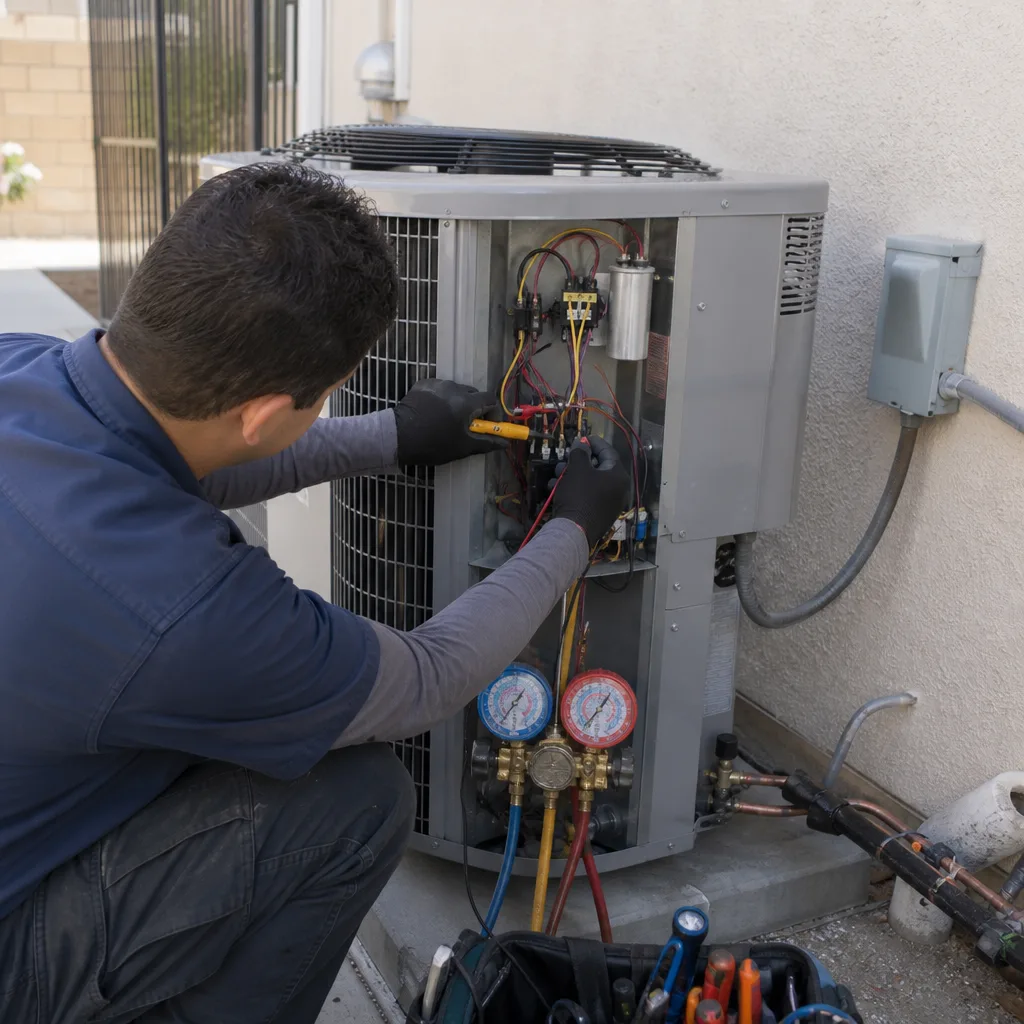 After
After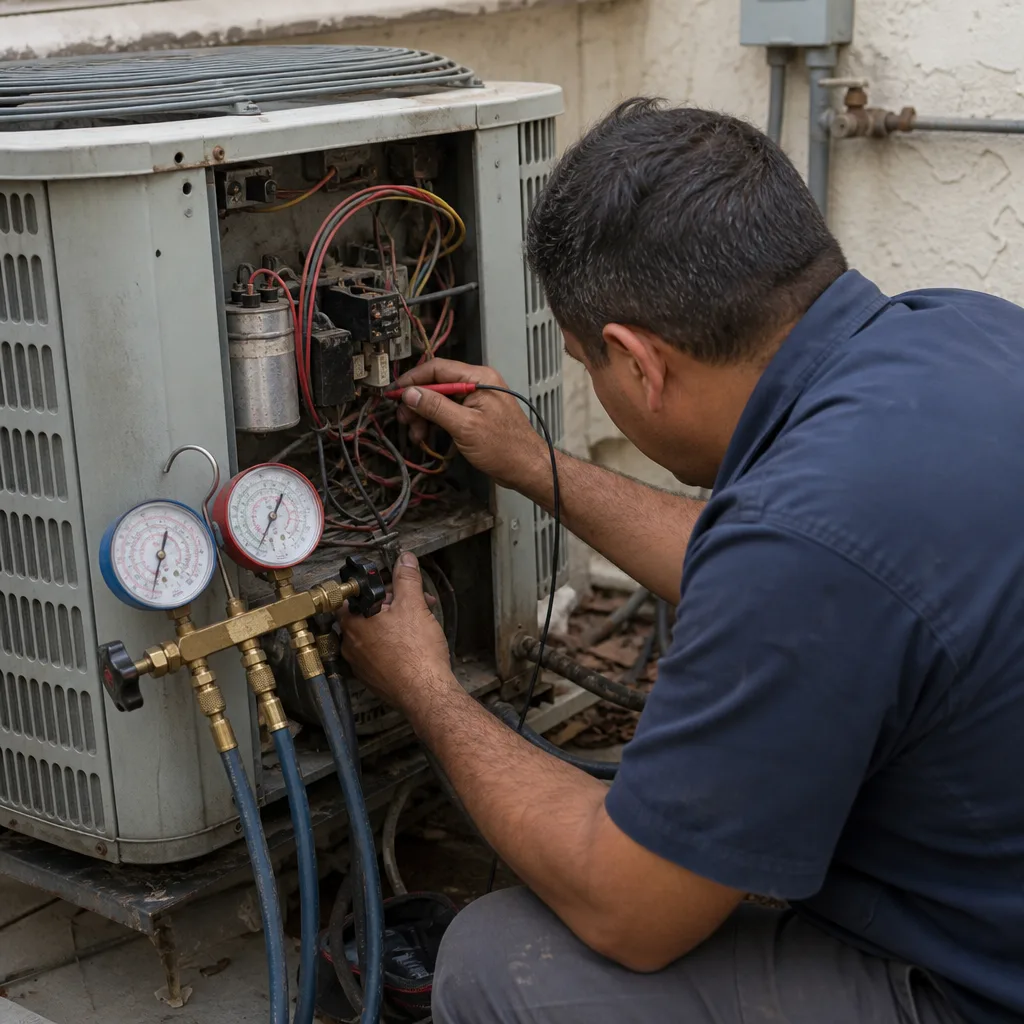 Before
 After
AfterWhen to Call a Professional
Call a professional when the problem is not something you can safely diagnose yourself. That includes: any refrigerant issue (the system blows warm air but the fan runs), any suspected carbon monoxide concern (furnace flame looks yellow or sooty residue near the burner), any electrical issue (breaker trips repeatedly, burning smell from the air handler), and any water leak from the indoor unit. Coastal corrosion problems are also not DIY territory: a corroded contactor or rusted coil needs a trained eye to evaluate whether repair or replacement makes more sense. If your system is blowing air but not reaching temperature, or short-cycling, or making sounds you haven’t heard before, Dalton Heating & Air Long Beach offers free estimates in Long Beach. Call (562) 512-7423 and we’ll give you a straight answer about what’s wrong and what the fix costs, in writing, before any work starts.
Frequently Asked Questions
A full HVAC system replacement in Long Beach typically runs $8,500 to $15,000 depending on equipment efficiency, home size, coastal-spec requirements, and ductwork condition. Whether to tackle repairs yourself or call a pro is covered in our DIY vs Professional HVAC: The Long Beach Homeowner’s Decision Guide. The wide range reflects the difference between a straightforward condenser swap on a small bungalow and a full system with new ducts on a larger east-side home. Coastal-spec equipment adds $600 to $1,200 to the cost, and that upgrade is strongly recommended within three miles of the ocean. Call (562) 512-7423 for a written price on your specific home.
Yes. The City of Long Beach requires mechanical permits for system replacement, condenser changes, heat pump installation, and most ductwork work through the Department of Development Services. The permit protects your insurance coverage and resale value. Legitimate contractors include the permit in the written price. Avoid any contractor who suggests skipping permits or offers a discount for unpermitted work.
Coastal Long Beach homes benefit from service twice a year: once before cooling season and once before heating season. The marine salt and humidity with the long cooling season means coils collect more buildup and drains clog more often than inland. A basic service visit includes coil cleaning, drain line treatment, and electrical inspection. If you’re only going to do one visit per year, do it in March before the cooling season starts.
Yes, and Long Beach is actually one of the best heat pump markets in the country because winter temperatures rarely drop below 40 degrees, which is well within modern heat pump efficiency range. Combined with available SoCalGas and SCE rebates plus federal tax credits, a heat pump often pencils out as the cheapest solid replacement option, especially if you’re replacing both heating and cooling equipment at the same time.
A properly maintained HVAC system in Long Beach will last 12 to 18 years depending on ocean proximity. Systems within three miles of the ocean typically last 10 to 15 years even with maintenance due to salt-air corrosion on standard coils. Inland Long Beach systems routinely reach 15 to 18 years with regular service. Coastal-spec coil protection extends the coastal lifespan by 5 to 7 years in most cases.
Yes, in most cases we can have a technician to your Long Beach home the same day you call. The one exception happens during extreme heat waves when call volume spikes, but even then, we’ll give you an honest arrival window rather than a vague promise. Emergency calls are answered by a live person 24/7. Call (562) 512-7423 and tell us what’s happening.
If your furnace or heat pump gives out or your AC stops cooling, our same-day furnace repair team in Long Beach and our heat pump installation experts serving Long Beach are on call now.
The Bottom Line
HVAC in Long Beach is not generic California HVAC. The marine layer’s humidity changes load calculations. Salt air shortens coil lifespan and makes coastal-spec equipment a financial no-brainer near the water. The city’s permit process is mandatory, and skipping it puts your insurance and your resale value at risk. Rebate stacking from SoCalGas, SCE, and the federal government makes equipment replacement significantly cheaper for Long Beach homeowners who take advantage of it. And the differences between neighborhoods like Wrigley, Belmont Shore, and El Dorado Park mean equipment choices need to be made specifically for your house, not for a generic Long Beach average. The single most important decision is not which equipment brand you select. It’s that the price is in writing, the crew is trained for your home’s conditions, and whoever does the work stands behind it for real.
Written by Marco Benitez, Owner at Dalton Heating & Air Long Beach, serving Long Beach since 2003. Call us at (562) 512-7423 for a free estimate, in writing, before any work begins.