
Last updated October 16, 2026
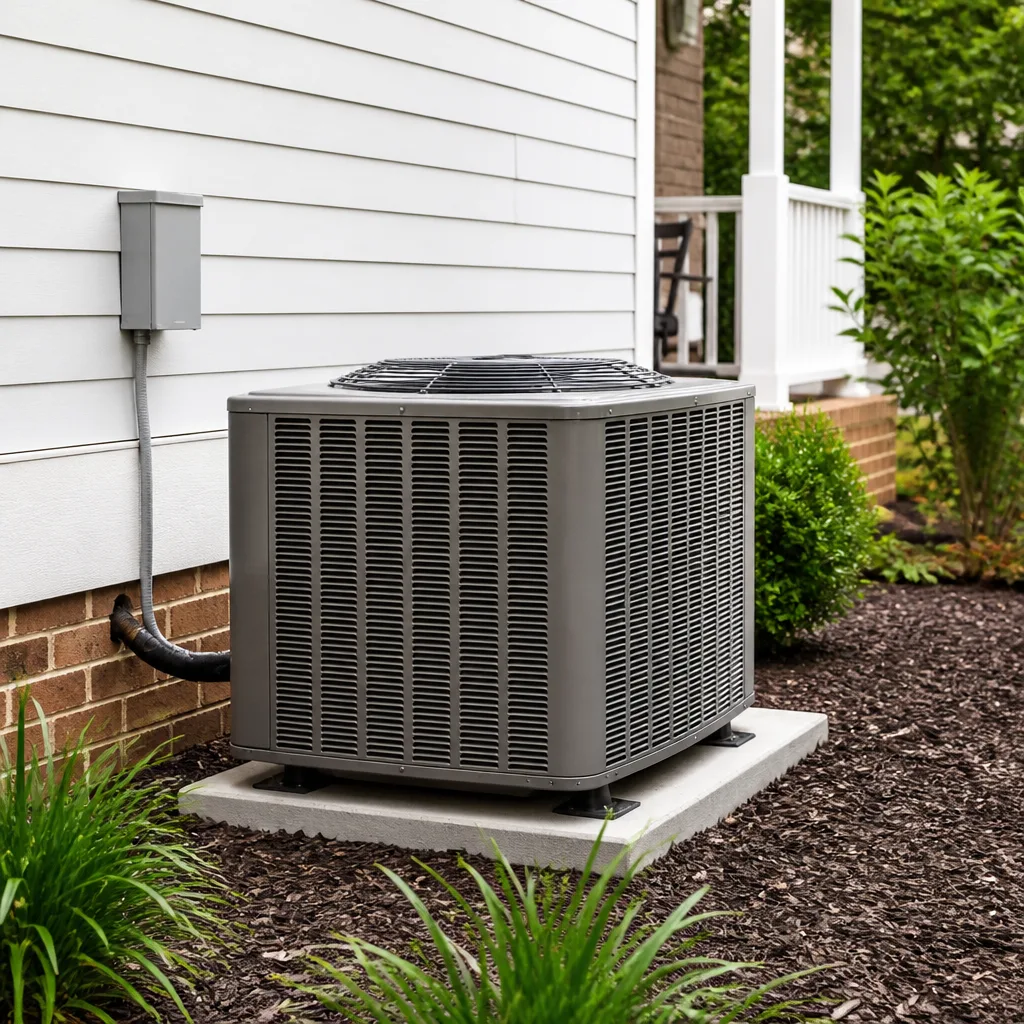 AC repair
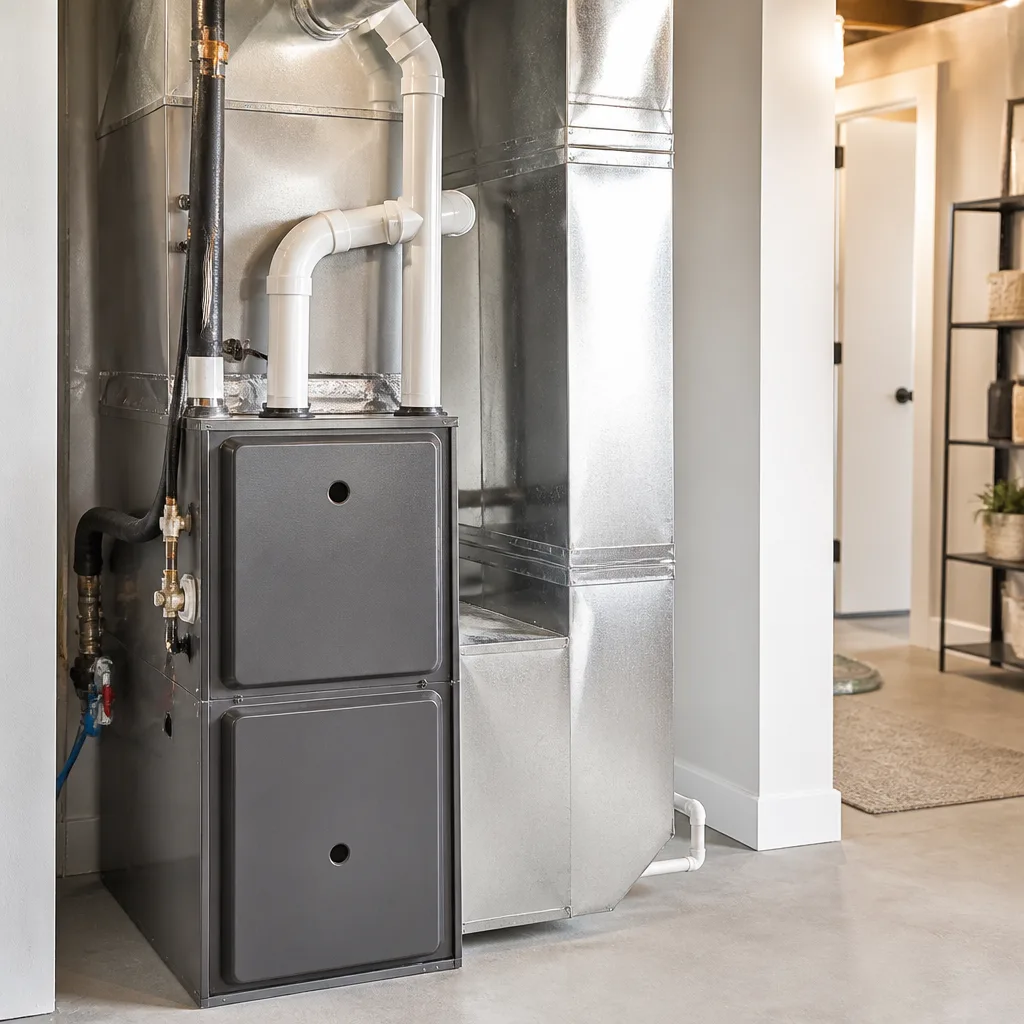 Furnace & heating
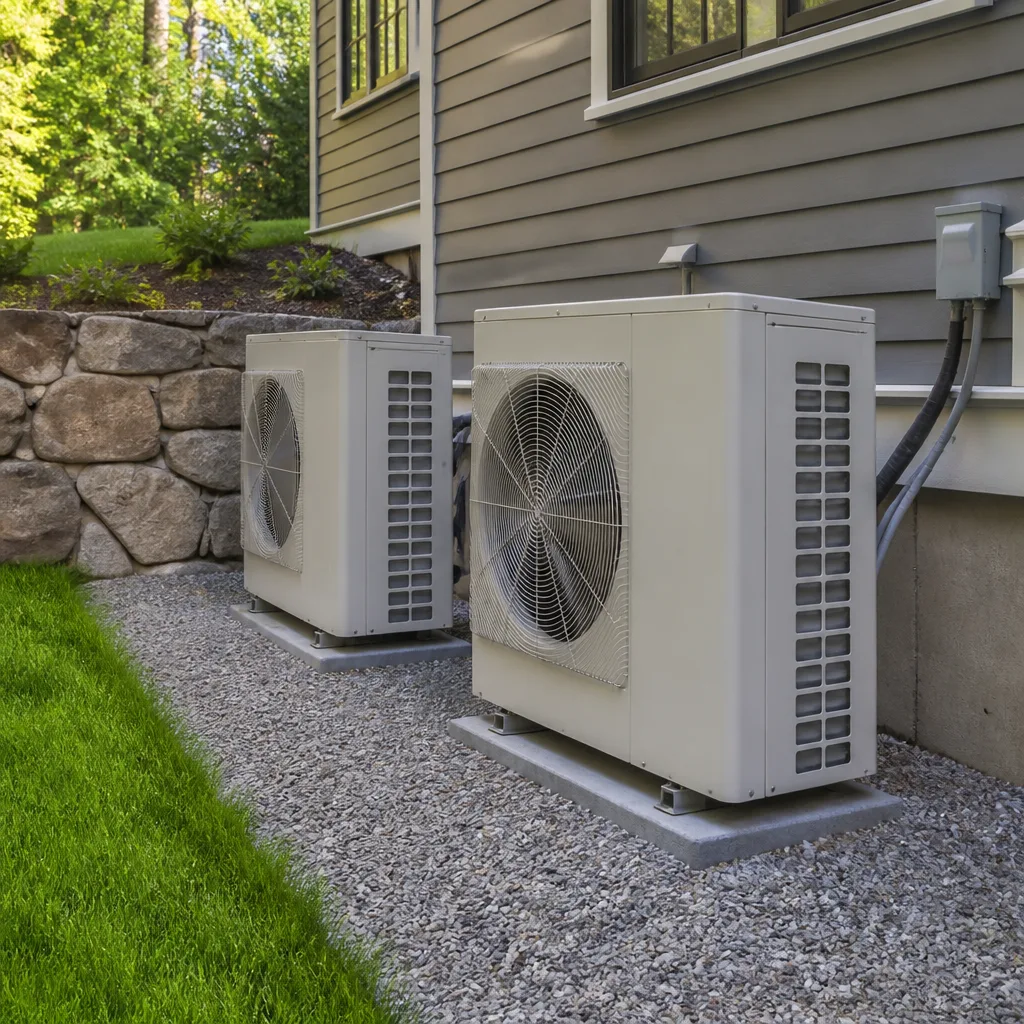 Heat pumps
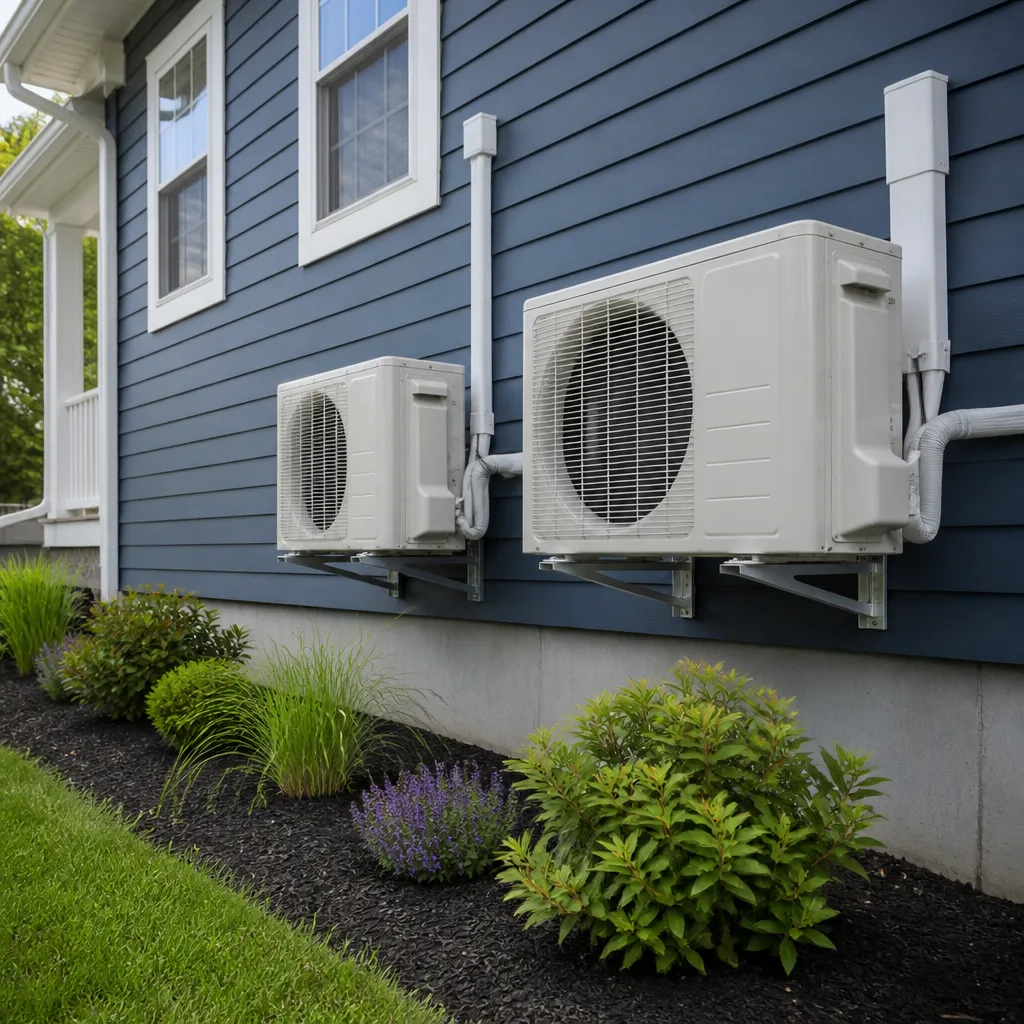 Ductless mini splits
 Carrier
 Trane
Trane Goodman
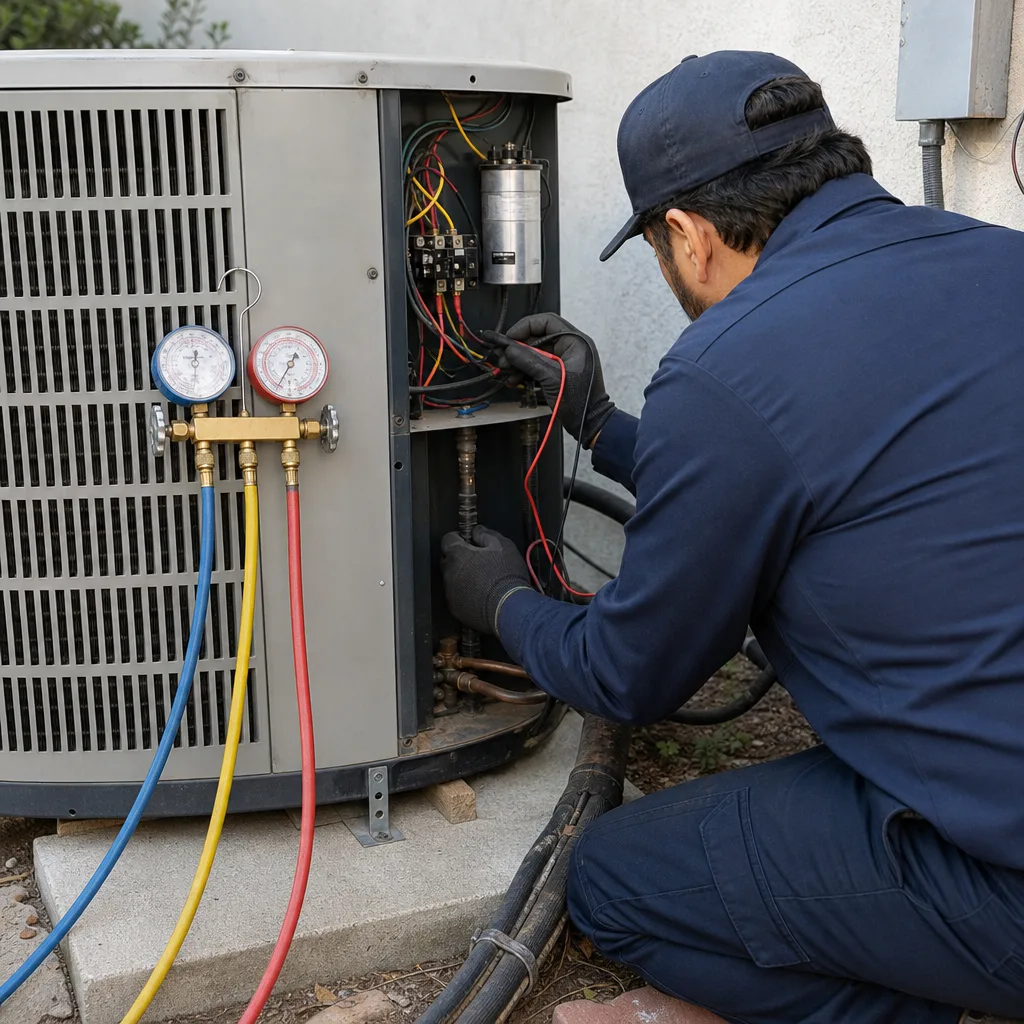
Seasonal tune-up and full diagnostic on your Carrier, Trane, or Goodman system - readings shown to you before any repair is proposed
Diagnosis first, numbers second - you approve the repair price before a single part goes in.
Get your free estimateHVAC Warning Signs: A Long Beach Homeowner’s Reference Guide
Here’s a number that should get your attention: a short-cycling air conditioner, the one that kicks on and off every few minutes, is burning out its compressor a little more on every restart. And here’s the part most guides won’t tell you: the repair bill for that compressor roughly doubles for every week the problem is ignored. What starts as a $200 fix becomes a $1,800 replacement by the time the first heat wave hits Long Beach in June. This guide is built differently from the more guides & resources you’ll find elsewhere. We’re going to explain why each warning sign appears, not just what it looks like. Because a homeowner who understands the mechanism behind a sound, a smell, or a puddle of water can judge urgency accurately instead of either panicking over nothing or ignoring something that’s quietly getting more expensive. By the time you finish reading, you’ll know which symptoms mean “watch it for now” and which mean “shut it off and call before it gets worse.”
Quick Answer
The most common HVAC warning signs in Long Beach homes are short-cycling (the system turns on and off every few minutes), warm air blowing from vents when the system is set to cool, unusual sounds like grinding or screeching, condensate leaks or standing water around the indoor unit, unexplained spikes in your electricity bill, and odors that smell like burning, exhaust, or refrigerant. Of these, a combustion or refrigerant smell is an immediate safety issue requiring the system be shut off and a professional called the same day. Everything else sits on a spectrum: some symptoms can be watched through the end of the season, while others indicate a failing component that gets more expensive the longer it runs.
Styles & brands we work with
Table of Contents
- Short-Cycling: The Compressor Killer
- Coastal-Specific Warning Signs: What Salt Air Does to HVAC Systems
- The Difference Between Refrigerant Smells and Combustion Smells
- Normal Sounds vs. Actionable Sounds: A Plain-Language Field Guide
- Water Leaks, Condensate, and What That Puddle Actually Means
- Utility Bill Spikes: When the Meter Tells the Story
- Watch vs. Call: A Decision Tree for Long Beach Homeowners
- Common Mistakes to Avoid
- When to Call a Professional
- Frequently Asked Questions
Short-Cycling: The Compressor Killer
Short-cycling is the term technicians use when an air conditioner or heat pump turns on, runs for only a few minutes, shuts off, and then starts again shortly after. A healthy Long Beach air conditioner in normal summer conditions should run for 10 to 15 minutes per cycle. If yours is cutting off after three or four minutes, something is wrong.
The mechanism matters here. The compressor is the component that pressurizes refrigerant and pumps it through the system. It’s also the single most expensive part to replace in any residential HVAC unit. Every time the compressor starts, it draws a large surge of electricity and generates significant mechanical stress. That start-up moment is when the most wear occurs. When a system short-cycles, the compressor experiences that high-stress start-up dozens of times per day instead of the normal handful. The windings inside the compressor overheat. The lubricating oil breaks down. Eventually, the compressor seizes or burns out entirely.
So what causes short-cycling in the first place? In our experience serving Long Beach homes, we consistently see four main culprits:
- An oversized system. If a previous owner or contractor installed a unit that’s too large for the square footage, it cools the house so quickly that it never reaches a full cycle. This is common in older Long Beach neighborhoods where additions were built without resizing the HVAC equipment.
- A refrigerant charge problem. Low refrigerant causes the evaporator coil to freeze, which triggers the system’s low-pressure safety switch to shut everything down. When the ice melts, the system starts again, and the cycle repeats.
- A failing thermostat or sensor. If the thermostat is in a bad location, like directly above a supply vent or in direct sunlight from a Long Beach west-facing window, it gets a false temperature reading and shuts the system off early.
- A dirty condenser coil or clogged filter. Restricted airflow causes the system to overheat, and the high-limit safety switch trips to protect the equipment.
The cost to fix short-cycling depends on the cause. A thermostat relocation or replacement runs $150 to $400. A refrigerant leak repair, including locating the leak, repairing it, and recharging the system, typically lands between $300 and $900 depending on where the leak is and how much refrigerant is needed. A full compressor replacement, by comparison, runs $1,800 to $3,500 for most residential systems, which is why the “doubling every week” statement at the top of this guide is not an exaggeration. We’ve replaced compressors in Long Beach homes where the homeowner waited an entire summer, and the compressor failed in September, right when the part was most expensive to source.
What to do: If your system is short-cycling more than once per hour, shut it off and call for service. If it happens occasionally, like once or twice during the hottest afternoon hours, you have a little more runway, but schedule a check sooner rather than later. For a detailed breakdown of what a repair visit involves, see our guide on AC repair in Long Beach.
Coastal-Specific Warning Signs: What Salt Air Does to HVAC Systems
Long Beach has a problem that generic HVAC guides, written for homeowners in Kansas or Ohio, never address: salt air. For a deeper look at local conditions, see our Complete Guide to HVAC in Long Beach. The ocean breeze that makes this city pleasant to live in is also carrying microscopic salt particles that settle on every exposed metal surface, including your outdoor condenser unit. Over time, that salt accelerates corrosion at a rate you simply don’t see inland. The result is a set of warning signs that are easy to miss if you don’t know what you’re looking at.
White Powdery Residue on Refrigerant Lines
The refrigerant lines are the two copper pipes that run from the outdoor unit into your house. On Long Beach systems, you may notice a white, chalky, or powdery substance forming on these pipes, particularly at the fittings and joints. This is a corrosion byproduct, the result of salt and moisture reacting with the copper. It’s not just cosmetic. The powder indicates that the metal is actively degrading. Left unaddressed, pinhole leaks develop in the copper, refrigerant escapes, and your system loses its ability to cool. In severe cases we’ve seen in Naples, Belmont Shore, and Alamitos Heights, entire sections of refrigerant line have needed replacement because the corrosion had progressed too far for a simple patch.
Cost range: Treating early-stage corrosion with a protective coating runs $100 to $250. Repairing a pinhole leak and recharging refrigerant runs $400 to $900. Replacing a refrigerant line set runs $800 to $1,500 depending on the run length and accessibility.
Condensate with a Metallic Smell
Your air conditioner produces condensate, the water that drips from the indoor coil as it removes humidity from the air. In a healthy system, this water is essentially odorless and drains away through a PVC pipe. In Long Beach, where salt-accelerated corrosion is common, that condensate can pick up a distinct metallic smell as it passes over corroding internal components, particularly the evaporator coil or the drain pan. If you notice a metallic tang in the air near your indoor unit, or if the water in the drain pan looks rusty or discolored, the coil or pan is corroding. This is a warning sign that the system is aging prematurely and should be evaluated before a refrigerant leak develops.
Premature Rust on Outdoor Cabinet Panels
The painted steel cabinet that houses your outdoor condenser is designed to withstand weather, but no manufacturer designs for permanent salt exposure. In Long Beach, it’s common to see rust forming on the cabinet panels, especially along the bottom edges and around screw holes, within five to seven years of installation. Inland, the same unit might go 15 years before showing rust. The rust itself is not an immediate functional problem, but it’s a leading indicator. The same salt that’s rusting the cabinet is also attacking the coil fins, the electrical connections, and the compressor housing inside. If you see rust on the outside, the inside is worth inspecting.
What to do: All three of these coastal warning signs warrant a professional inspection. None of them require shutting the system off immediately, but they should all be addressed within the current season. Coastal corrosion is progressive, and the cost curve is steep once refrigerant starts leaking. Some brands hold up better than others in salt air. We service all major residential lines, including Rheem, York, Daikin, Bryant, and others, and we’ve found that certain models with corrosion-resistant coil coatings perform measurably better in Long Beach’s coastal zones. If you’re near the water and planning a replacement, this is a conversation worth having before you buy. For a deeper look at what a coastal installation involves, see our guide on heat pump installation in Long Beach.
The Difference Between Refrigerant Smells and Combustion Smells
This section could save your life, and that’s not an overstatement. HVAC systems can produce two fundamentally different types of odors, and the correct response to each is very different. Knowing which is which matters more than almost anything else in this guide.
Refrigerant Smells: Sweet or Chemical, Like Chloroform or Nail Polish Remover
Refrigerant, the cooling fluid that circulates through your system, has a distinct odor when it leaks. Most people describe it as sweet, chemical, or ether-like, similar to chloroform or acetone. In older Long Beach homes with systems still running R-22, the smell can also have a slightly oily character because R-22 carries mineral oil through the system.
A refrigerant smell indicates a leak. The leak could be in the evaporator coil, the condenser coil, the line set, or any of the brazed joints connecting them. The immediate danger from a refrigerant leak is low: modern refrigerants are not explosive, and the concentrations present in a residential leak are not acutely toxic in a ventilated space. However, the long-term cost is significant. Every pound of refrigerant that leaks out is a pound your system needs to function, and refrigerant is expensive. More importantly, running the system low on refrigerant causes the compressor to overheat, which is the single most expensive failure a system can have.
Correct response: Turn the system off. Schedule a leak search and repair. Most residential leak repairs in Long Beach run $400 to $900 including the recharge. This is a “fix it this week” problem, not a “call 911” problem.
Combustion Smells: Burning, Exhaust, Rotten Eggs, or Gunpowder
If you smell burning, exhaust, rotten eggs, or a gunpowder-like odor coming from your HVAC system, especially from a gas furnace, this is an entirely different category. A combustion smell means fuel is present where it should not be, or combustion byproducts are not venting properly.
Natural gas is odorized with mercaptan, which smells like rotten eggs or sulfur. If you smell this near your furnace, it means gas is leaking into your home. That is an immediately dangerous situation. Carbon monoxide, the byproduct of incomplete combustion, is odorless but often accompanies combustion problems. Exhaust smells inside the house mean the flue or heat exchanger is compromised and combustion gases are entering the living space instead of venting outside.
Correct response: Shut the furnace off at the thermostat. Do not turn on any lights, appliances, or anything that could create a spark. If the gas smell is strong, leave the house and call the gas company from outside. Then call a professional to inspect the furnace before it runs again. This is the one scenario in this guide where “wait and see” is never the right answer.
For homeowners with gas furnaces, a carbon monoxide detector on every floor is non-negotiable. Long Beach building code requires them in most residential properties, and they should be tested quarterly. If your furnace is producing any smell other than the slight dusty odor of a system starting up for the first time in the fall, see our guide on furnace repair in Long Beach for what to expect from a diagnostic visit.
Normal Sounds vs. Actionable Sounds: A Plain-Language Field Guide
Every HVAC system makes noise. That’s normal. The challenge is distinguishing the noises that indicate a healthy system doing its job from the noises that indicate a component is failing. Here’s what we listen for when a Long Beach homeowner calls us about a strange sound.
What a Healthy System Sounds Like
A properly functioning air conditioner or heat pump produces a steady, low hum from the outdoor unit, the sound of the compressor running and the fan moving air. Inside, you’ll hear the blower moving air through the ducts, a whooshing sound that should be consistent and unobtrusive. You may hear a gentle gurgling or bubbling sound briefly when the system starts or stops, as refrigerant settles in the line set. These are all normal.
Early Bearing Failure: A High-Pitched Squeal or Whine
The blower motor inside your air handler or furnace spins on bearings, and those bearings wear out over time. The first sign of trouble is usually a high-pitched squeal or whine that changes pitch as the blower ramps up or down. This is not the same as the constant whoosh of air. It’s a mechanical sound, metallic in character, and it often gets progressively louder over weeks or months.
Why this matters: a failing blower bearing will eventually seize, which stops airflow entirely. Without airflow, the evaporator coil freezes, the system overheats, and the compressor is at risk. A blower motor replacement runs $400 to $900. A compressor replacement runs four to five times that. Catching the bearing early is one of the highest-value repairs in HVAC.
Refrigerant Gurgling: Normal vs. Low Charge
Here’s a distinction most guides get wrong. A brief gurgle when the system starts or shuts off is normal. That’s the sound of refrigerant moving through the line set as pressures equalize. What’s not normal is a constant gurgling, bubbling, or hissing sound while the system is running steadily. That indicates the refrigerant charge is low, and the system is moving a mixture of liquid refrigerant and vapor, which is inefficient and hard on the compressor. Low charge is always caused by a leak; refrigerant doesn’t get used up. The fix is a leak search and repair, not just a top-off.
Grinding or Scraping: The Compressor’s Death Rattle
A grinding or scraping sound from the outdoor unit is the worst sound on this list. It usually means the compressor’s internal components are failing, either the pistons, the valves, or the bearings inside the sealed compressor housing. By the time you hear grinding, the compressor is typically not far from total failure. In some cases, the sound can also come from the condenser fan motor, which is a much cheaper fix, but the only way to know is to have a technician listen.
Cost reality check: A condenser fan motor replacement runs $250 to $500. A compressor replacement runs $1,800 to $3,500, and on an older system, that’s often the point where replacement makes more sense than repair. If you hear grinding, shut the system down and get an evaluation the same day.
Water Leaks, Condensate, and What That Puddle Actually Means
Water around your indoor unit is the single most common warning sign Long Beach homeowners call us about, and it’s also the one most likely to be misinterpreted. Here’s the plain truth: your air conditioner produces water by design. When it runs, the evaporator coil gets cold, and moisture from the air condenses on it, the same way water beads on a cold glass on a humid day. In Long Beach’s coastal humidity, a healthy system can produce several gallons of condensate per day. That water is supposed to drain away through a PVC pipe, usually routed to a floor drain, a laundry sink, or outside.
What’s Normal
A steady drip or trickle from the condensate drain line while the system is running is normal. Some water in the drain pan under the unit is also normal if it’s draining properly. What’s not normal is standing water that persists, water that overflows the pan, or water that appears on the floor or ceiling below the unit.
What the Puddle Actually Means
- A clogged condensate line. Algae, mold, and mineral deposits build up inside the drain pipe over time. Long Beach’s hard water makes this worse. When the line clogs, water backs up into the drain pan and eventually overflows. This is the most common cause of HVAC water leaks. The fix is usually simple: clearing the line runs $100 to $250, and installing a float switch or treatment tablet prevents recurrence.
- A cracked or rusted drain pan. In older systems, especially those exposed to Long Beach’s salt air, the metal drain pan corrodes and develops cracks. The fix is replacing the pan, which runs $200 to $500 on most systems. If the pan is unavailable because the system is obsolete, a replacement is often the practical answer.
- A frozen evaporator coil. If the coil freezes, it produces a large volume of water all at once when it thaws, overwhelming the drain system. A frozen coil is itself a symptom of low refrigerant or restricted airflow, and it needs to be diagnosed, not just dried up.
- A condensate pump failure. Some installations in Long Beach, particularly in basements or when the indoor unit is below the drain line, use a small pump to move condensate uphill to a drain. When the pump fails, water accumulates. Replacement pumps run $150 to $350.
Water damage is the hidden cost here. A slow, undetected leak can warp flooring, damage drywall, and create mold conditions before you ever see a puddle. If you notice a musty smell near your indoor unit, that’s microbial growth, and it’s a sign that moisture has been present long enough to matter. Call before the puddle becomes a renovation project.
Utility Bill Spikes: When the Meter Tells the Story
Your HVAC system is the single largest consumer of electricity in a Long Beach home, typically accounting for 40 to 50 percent of the annual electric bill. That means your utility bill is a diagnostic tool, whether you realize it or not. A sudden, unexplained increase in your bill, one that doesn’t correspond to a change in weather, occupancy, or usage patterns, is often the first sign that your system is losing efficiency.
Here’s the mechanism. When a system is low on refrigerant, its cooling capacity drops. The system runs longer to reach the same set temperature. Longer run times mean more electricity. The same is true when the condenser coil is dirty, when the blower motor is wearing out and drawing more amperage, or when the ductwork has developed leaks and conditioned air is escaping into the attic. In each case, the system is working harder to deliver the same comfort, and the meter reflects that.
What should you look for? Compare your current bill to the same month last year, not to the previous month. Weather in Long Beach varies seasonally, and the same calendar month is the fair comparison. If your usage is 20 percent or more above last year without a matching heat increase, something is wrong. A refrigerant leak that drops system efficiency by 30 percent can add $40 to $80 per month to a typical Long Beach summer electric bill. Over a full cooling season, that’s several hundred dollars in wasted electricity, often more than the cost of the repair.
Southern California Edison provides detailed usage data through their online portal, and many Long Beach homeowners can see hour-by-hour usage. If your system is running late into the night when it used to cycle down, or if you see usage spikes that match the system turning on, the data will tell the story more clearly than any sound or smell.
Watch vs. Call: A Decision Tree for Long Beach Homeowners
Not every warning sign requires a service call. Some symptoms can be watched through the end of the season, addressed at the annual tune-up, or monitored with a simple note in your calendar. Others mean shut the system off now and make the call. For a seasonal approach, see our Seasonal HVAC Care for Long Beach: Year-Round Homeowner’s Guide. Here’s a clear framework for deciding which category you’re in.
Step 1: Is there a smell of gas, exhaust, or burning? If yes, shut the system off, ventilate the space, and call a professional immediately. Do not pass go. Do not wait until morning. This is the only category where the word “emergency” genuinely applies.
Step 2: Is there water actively leaking onto the floor, ceiling, or inside a wall? If yes, shut the system off to stop the water, and call within 24 to 48 hours. Water damage compounds daily.
Step 3: Is the system making a grinding, scraping, or loud metallic sound? If yes, shut it off and call the same day. A compressor or blower motor failure is imminent, and running it further increases the repair cost.
Step 4: Is the system short-cycling more than once per hour? If yes, shut it off and schedule service within the week. Every additional day of short-cycling shortens the compressor’s life.
Step 5: Is the system running but not cooling, or running longer than normal to hold temperature? Call within the week. This is usually a refrigerant or airflow issue that gets more expensive as it runs.
Step 6: Is the symptom a rust spot, white residue, musty smell, or a slight increase in noise? You can watch these through the end of the current season, but schedule an inspection before the next cooling or heating season begins. Use our AC Repair Maintenance Checklist for Long Beach Homeowners to stay organized. These are progressive issues, and ignoring them for years is how a $200 fix becomes a $2,000 replacement.
One more note for Long Beach homeowners specifically: if your system is more than 12 years old and has any of these symptoms, replacement economics start to matter. A repair that costs $800 on a 15-year-old system in a coastal environment, where corrosion has already been working on the coil and cabinet, might not be the right investment. Sometimes the better financial decision is a new system with a warranty. If you’re weighing that call, our heat pump installation guide for Long Beach breaks down what a modern replacement actually costs and what rebates are available.
Common Mistakes to Avoid
- Topping off refrigerant without finding the leak. Refrigerant doesn’t get used up. If a system is low, there’s a leak. A technician who offers to top it off without a leak search is selling you a temporary fix that will need repeating. The Garrison Code, the operating standard at Dalton Heating & Air Long Beach, requires finding and repairing the leak, not just masking the symptom.
- Ignoring a rising utility bill because the house “feels fine.” Efficiency losses show up on the meter before they show up as comfort problems. If your bill is climbing and the thermostat is still hitting its mark, the system is working harder than it should, and that extra work is wear and tear.
- Replacing the thermostat before diagnosing the system. A short-cycling system is sometimes caused by a thermostat problem, but it’s just as often caused by low refrigerant, a dirty coil, or an oversized unit. Replacing the thermostat first is a $200 to $400 guess that often doesn’t solve the problem.
- Waiting until the first heat wave to schedule maintenance. Long Beach HVAC companies get slammed the first week the temperature crosses 85 degrees. Scheduling maintenance in the spring, before the rush, means shorter waits and often lower prices. It also means your system is ready when the heat arrives instead of failing on the hottest day of the year.
- Running the system with a frozen coil because “it’s still blowing cold air.” A frozen coil blocks airflow, which means the cold air isn’t circulating through the house, which means the system is running constantly and accomplishing nothing except overheating the compressor. If you see ice on the indoor unit or the refrigerant lines outside, turn the system off and let it thaw before calling for service.
- Assuming salt air damage is inevitable and unmanageable. Coastal corrosion is real, but it’s not unstoppable. Regular coil cleaning, corrosion-resistant coatings, and annual inspections can add years to the life of a Long Beach system. Letting it go because “that’s just how it is by the beach” is leaving money on the table.
- Not knowing what a written guarantee actually covers. A verbal promise is worth nothing. At Dalton Heating & Air Long Beach, every repair includes a written guarantee for a full year, and if the work fails within that window, we return at no charge. That’s the 365-Day Done Right Promise, and it’s written on the invoice, not just mentioned on a website.
When to Call a Professional
You should call a professional when a gas or combustion smell is present, when water is actively damaging your floors or walls, when the system is making a grinding or scraping sound, or when short-cycling has become a regular occurrence. These are not watch-and-wait situations. The cost of waiting exceeds the cost of the service call in every one of these scenarios, often by a wide margin. If you’re unsure which category your symptom falls into, call and describe it. A good company will help you triage the problem over the phone before scheduling anything. Dalton Heating & Air Long Beach offers free estimates in Long Beach, and a live person answers the phone around the clock. Call (562) 512-7423 and describe what you’re hearing, seeing, or smelling. We’ll tell you honestly whether it needs a visit or can wait.
Frequently Asked Questions
Most residential HVAC repairs in Long Beach run between $150 and $450 for common fixes like capacitors, contactors, condensate line clearing, and thermostat issues. Refrigerant leak repairs run $400 to $900. Blower motor replacements run $400 to $900. Compressor replacements run $1,800 to $3,500. Every job at Dalton Heating & Air Long Beach includes a written price before any work starts, so there are no surprises at the door. Call (562) 512-7423 for an exact quote on your specific issue.
The rough rule of thumb: multiply the repair cost by the age of the system. A $300 repair on a five-year-old system almost always makes sense. A $900 repair on a 15-year-old system in a Long Beach coastal environment, where corrosion has already been working on the coil and cabinet, often does not. A new system brings a full manufacturer warranty, higher efficiency, and lower operating costs. If you’re on the fence, ask for a written repair quote and a written replacement quote side by side, then decide with real numbers.
Yes. Dalton Heating & Air Long Beach answers the phone with a live person 24 hours a day, seven days a week, and we schedule emergency service for same-day response in most Long Beach neighborhoods. If your system fails during a heat wave, call (562) 512-7423 and we’ll get a technician to you as fast as the schedule allows.
Once a year is the minimum, and twice a year is ideal: once in spring before cooling season, and once in fall before heating season. Coastal homes in Long Beach benefit from the spring visit because the technician can clean salt and corrosion from the outdoor coil, which extends the system’s life measurably.
A thorough maintenance visit includes coil cleaning, condensate line clearing, refrigerant charge verification, electrical connection inspection, blower and fan inspection, thermostat calibration, and a written report of what was found. The price is flat and written upfront. At Dalton Heating & Air Long Beach, technicians follow a set checklist under The Garrison Standard, and they are not paid on what they sell, so the report reflects what the system actually needs, not what a commission target requires.
On the hottest days of the year, when Long Beach temperatures climb into the 90s, a properly sized system may run near-continuously during the afternoon peak. That’s normal. What’s not normal is continuous running on moderate days, in the evenings, or when the outdoor temperature is comfortable. If your system runs constantly but struggles to hold temperature, that’s a capacity issue: low refrigerant, a dirty coil, or undersized equipment. Each has a different fix, and each gets more expensive the longer it runs.
The Bottom Line
HVAC warning signs fall into two categories: those that mean “schedule service when convenient” and those that mean “shut it off today.” Gas or combustion smells are always in the second category, no exceptions. Grinding sounds and active water leaks are right behind them. Short-cycling, coastal corrosion, utility bill spikes, and unusual refrigerant gurgling are the early warning signs that a system is losing efficiency and the repair cost is compounding. The good news is that every one of these problems is diagnosable, and most are fixable for a fraction of what a full system failure costs. The discipline is in acting on the warning signs when they appear, not after the compressor has already failed and the choice is between a $3,000 repair and a $12,000 replacement.
Written by Marco Benitez, Owner at Dalton Heating & Air Long Beach, serving Long Beach since 2003.
See the difference
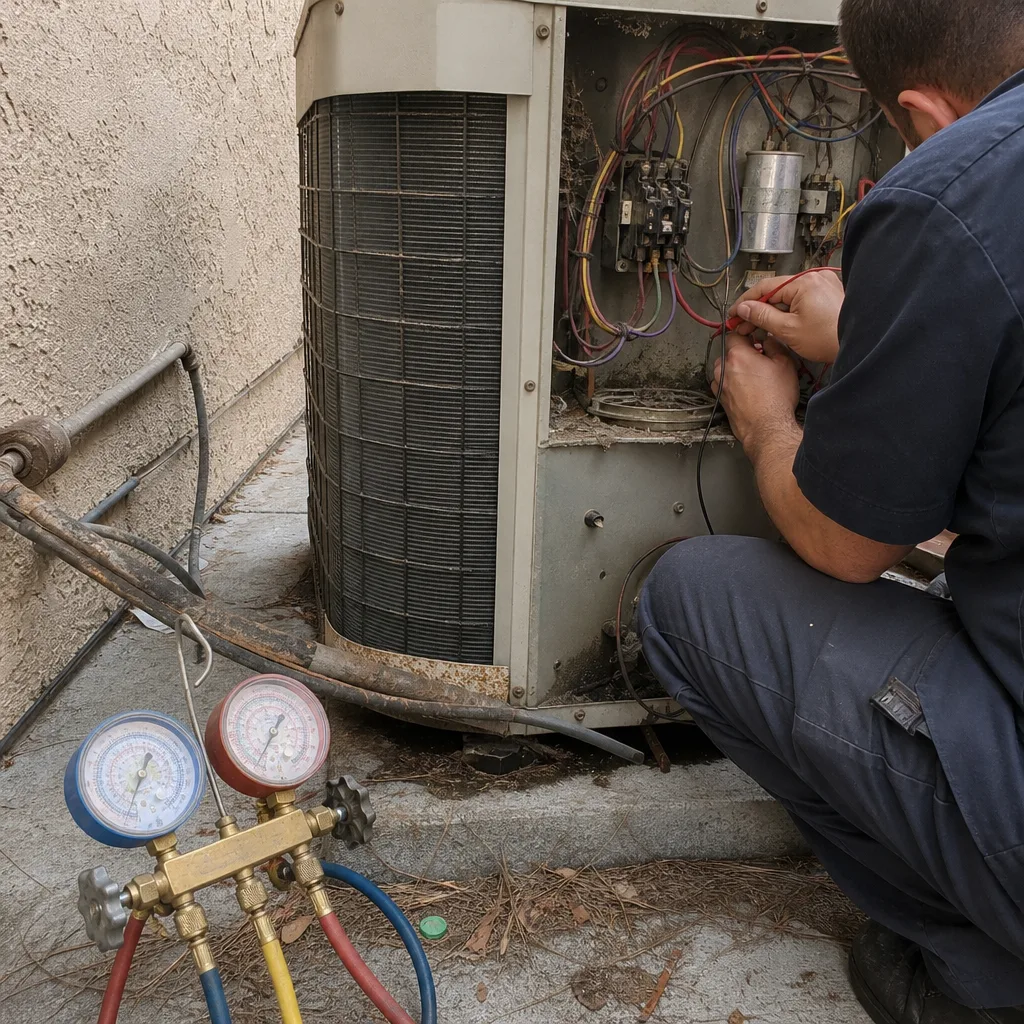 Before
 After
After Before
 After
After Before
 After
After