
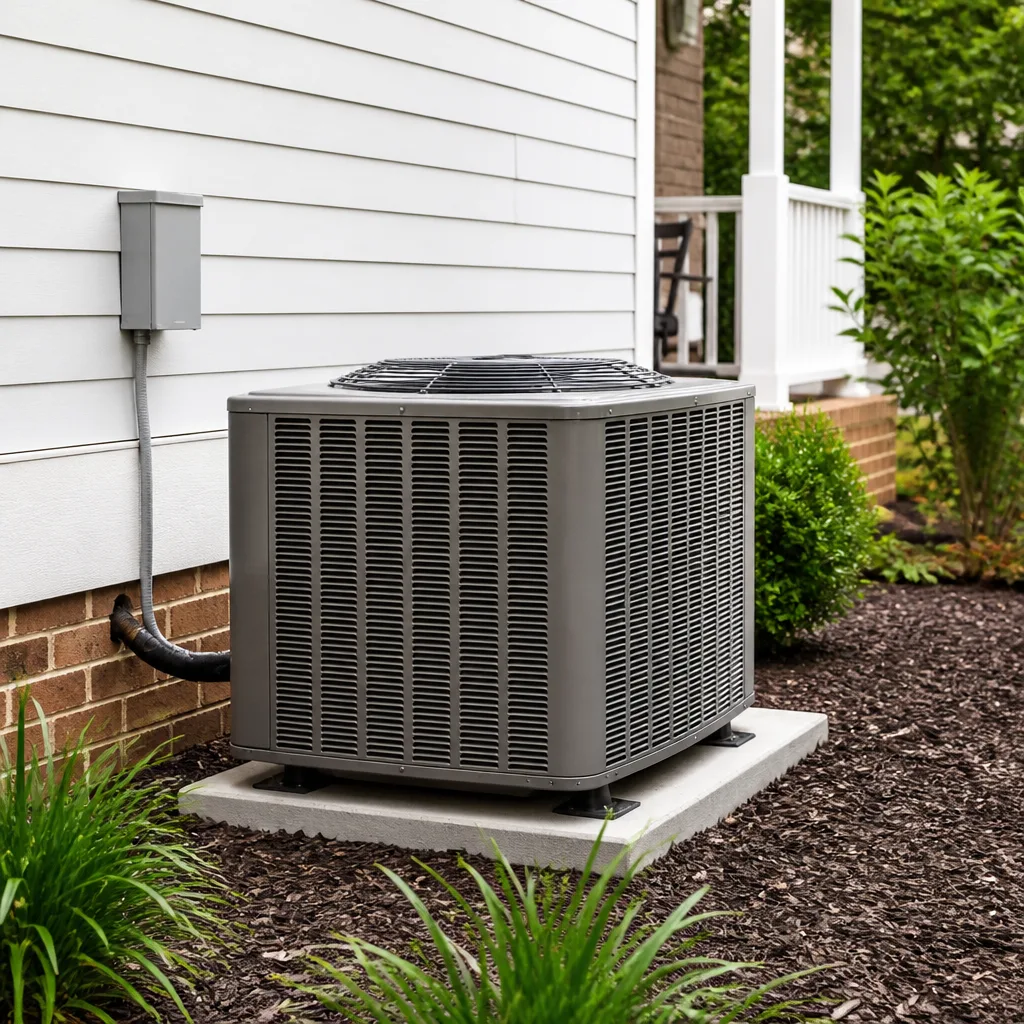
 AC repair
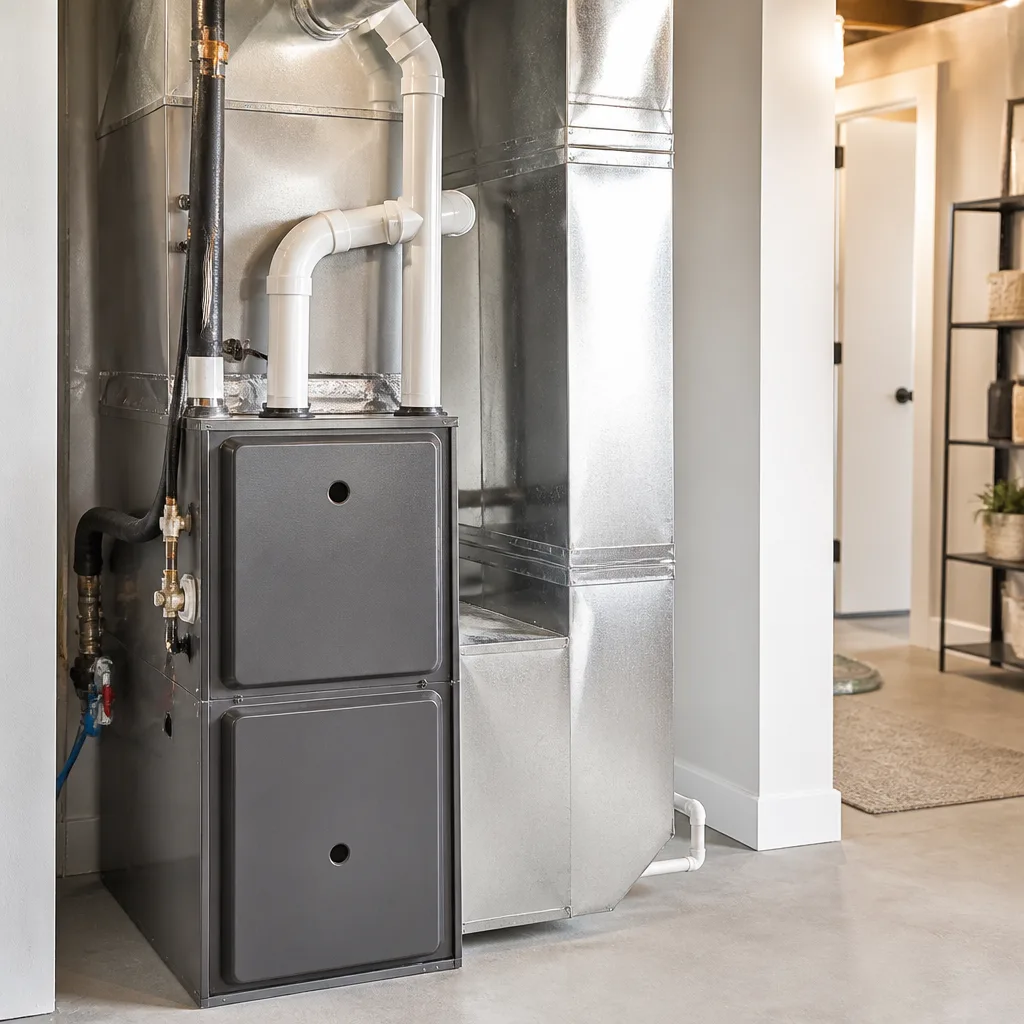 Furnace & heating
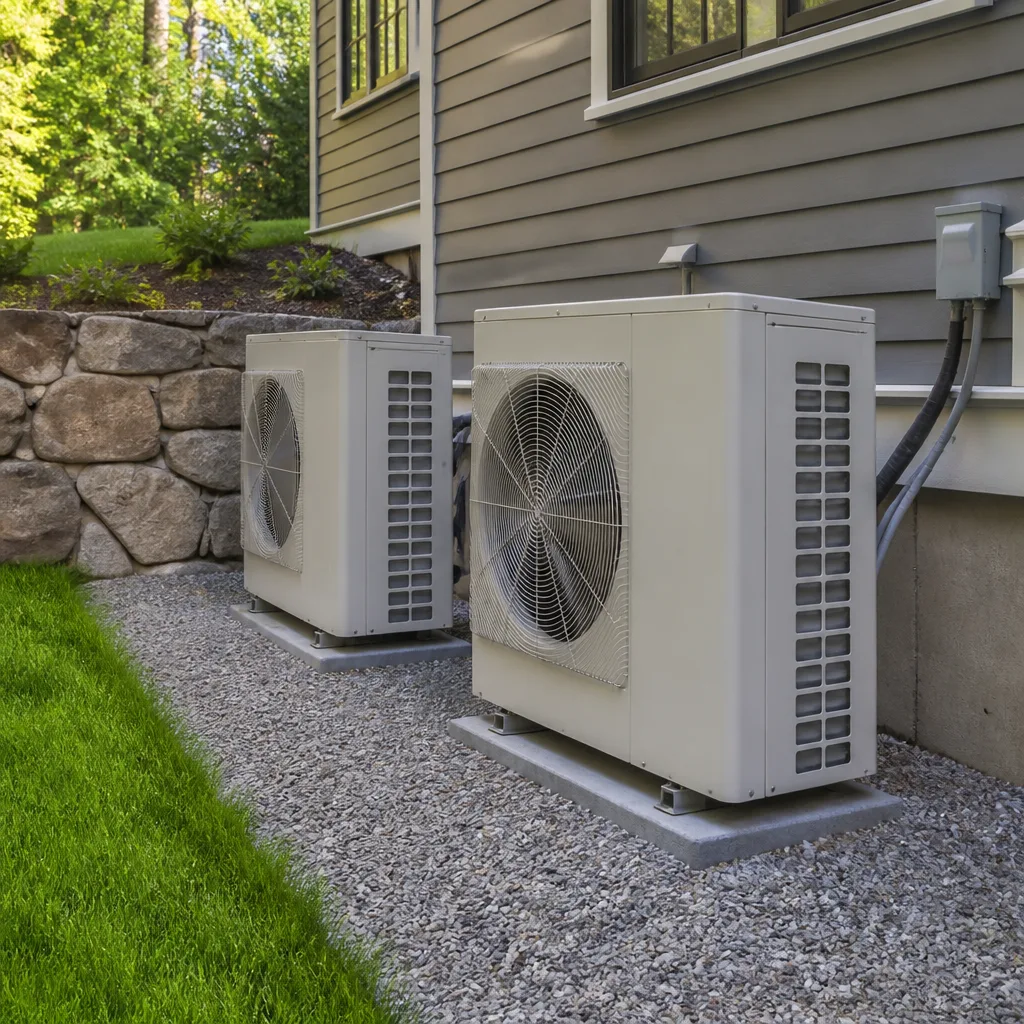 Heat pumps
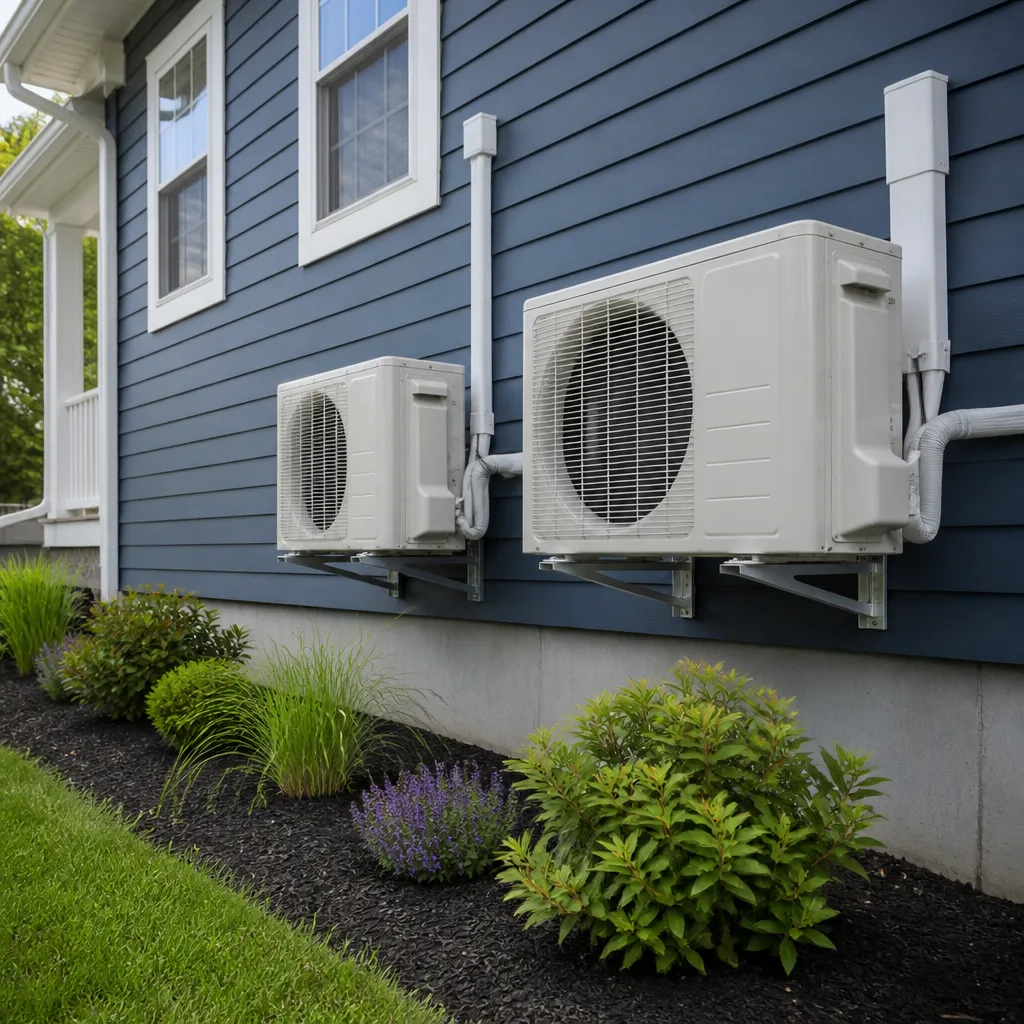 Ductless mini splits
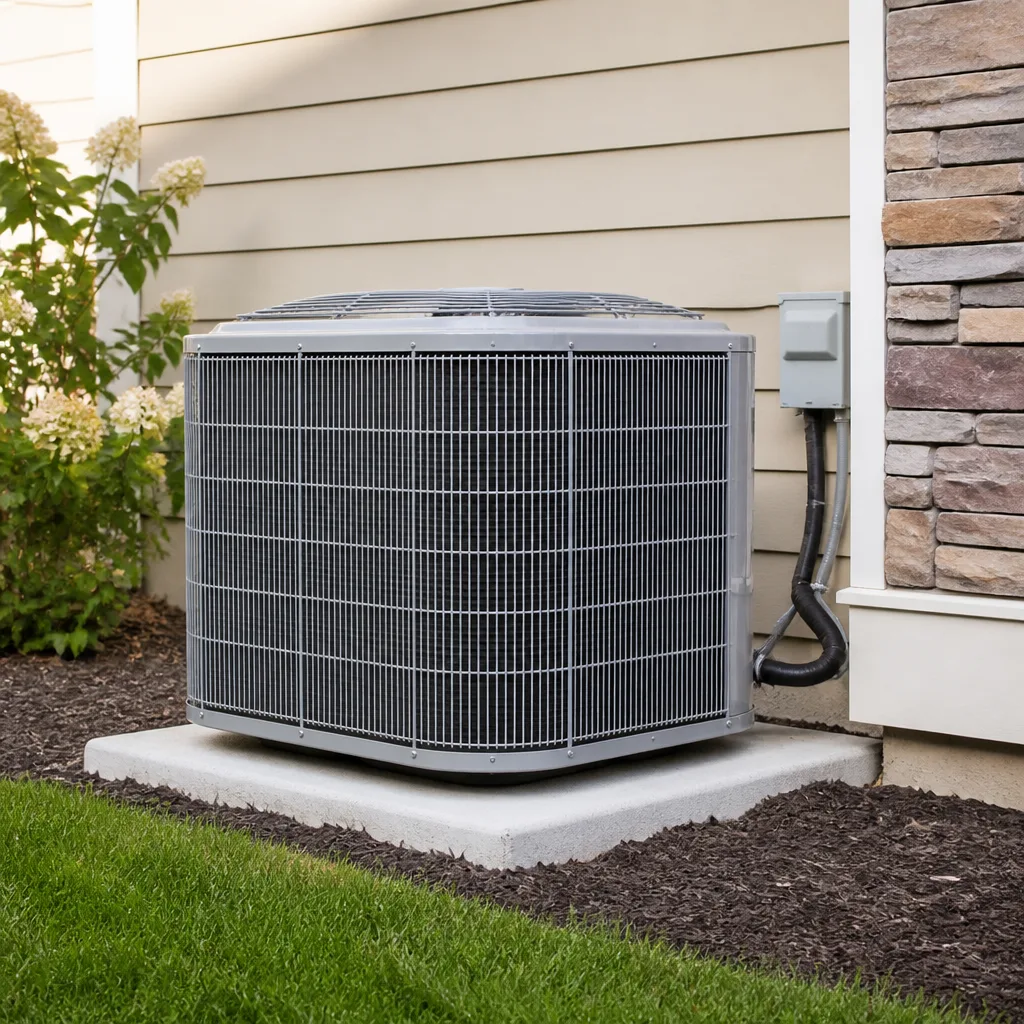 Carrier
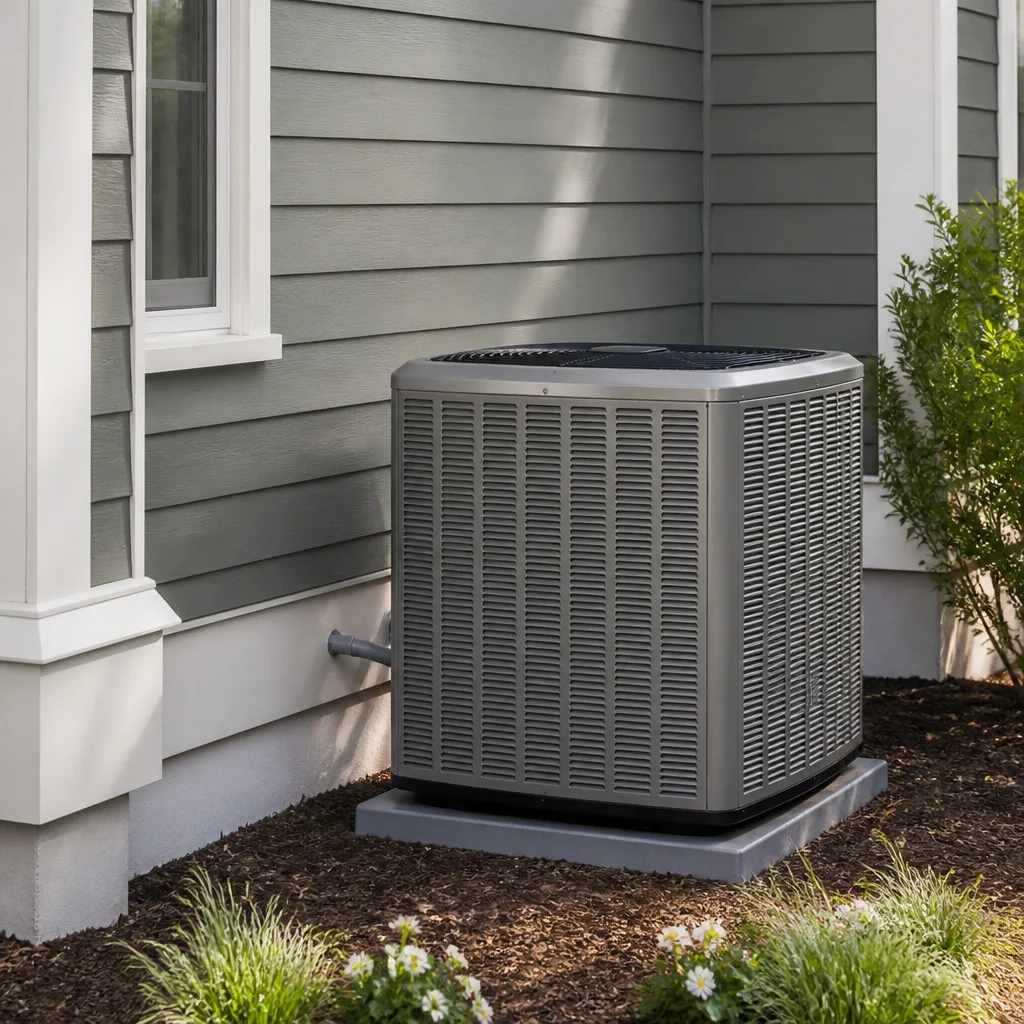 Trane
Trane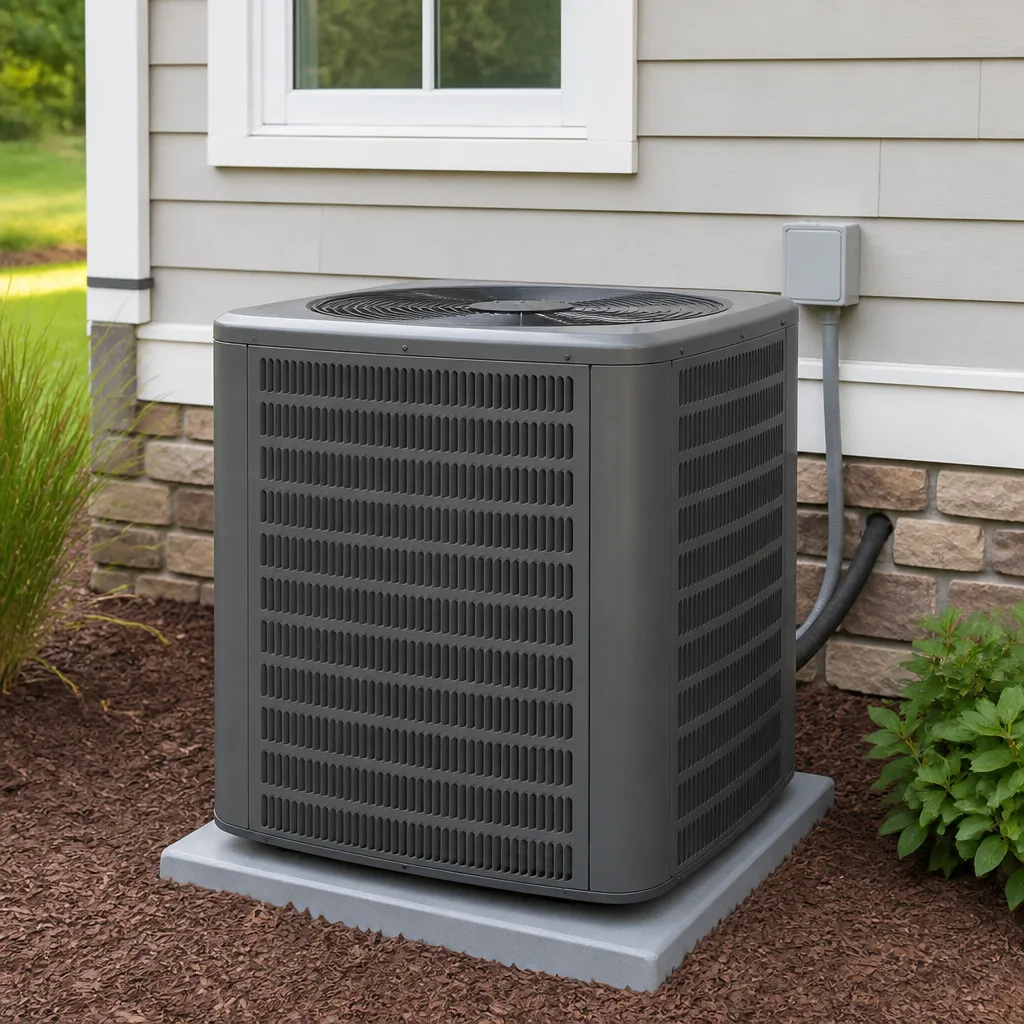 Goodman
Seasonal tune-up and full diagnostic on your Carrier, Trane, or Goodman system - readings shown to you before any repair is proposed
Diagnosis first, numbers second - you approve the repair price before a single part goes in.
Get your free estimateAmerican Standard Ductwork Repair: The Long Beach Owner’s Guide
Most American Standard ductwork repairs in Long Beach run between $150 and $650 depending on what failed, and we carry the common American Standard-specific parts on the truck so most jobs are done same-day. That price includes the part, labor, and a written guarantee for a full year. Homeowners usually find us after noticing one room that never cools right, a hissing sound behind a wall, or a utility bill that climbed for no obvious reason.
Ductwork is the least glamorous part of an HVAC system, and it’s also the one most likely to have been hacked together by whoever installed it decades ago. Marco Benitez has pulled apart enough Long Beach attic jobs to know that the problem is rarely the American Standard equipment itself. It’s the ducts feeding it: crushed supply lines, disconnected returns, and runs that were never sealed at the seams. A well-built system moving air through failing ducts wastes money every single day it runs.
Which American Standard Models This Applies To
Ductwork isn’t model-specific the way a control board or blower motor is. The same repair principles apply whether you have an American Standard Silver series, Gold series, or Platinum series system. What matters is the size and configuration of the duct, not the badge on the condenser outside.
Here’s the compatibility gotcha most homeowners never hear: American Standard air handlers and furnaces are designed around specific static pressure tolerances. That means the duct system has to be sized to the equipment’s airflow requirements, not the other way around. A 3-ton American Standard system needs roughly 1,200 CFM of airflow. If the ducts are undersized or crimped, the system runs hot, short-cycles, and burns through blower motors faster than it should. We measure duct diameter, count the supply runs, and check the return capacity before recommending a repair. Sometimes the fix is a simple seal job. Sometimes the duct was wrong from the start and needs to be replaced.
On the OEM versus aftermarket question: for visible hardware like duct collars, dampers, and registers, a quality aftermarket equivalent is usually fine and costs less. But for anything that affects airflow performance, we recommend American Standard’s own design specs. That’s not brand loyalty, it’s physics. The equipment was engineered around certain airflow numbers, and the ductwork either hits them or it doesn’t.
Styles & brands we work with
Signs Your American Standard Ductwork Repair Is Failing
- One room that never reaches temperature. This usually means a disconnected or collapsed supply run. The duct has separated at a joint, or someone stepped on a flex run in the attic and crushed it. Air is blowing into the attic instead of the bedroom.
- A hissing or whistling sound when the system runs. Air escaping through a small gap under pressure makes noise. It means a seam has opened, a collar has pulled loose, or a damper is partially closed when it shouldn’t be.
- Dust accumulating fast on registers and furniture. Ducts pulling air from an unconditioned attic will suck in insulation fibers and dust through any gap. If you’re dusting twice a week, the return side of your duct system is leaking.
- Utility bills climbing while the thermostat setting stays the same. Conditioned air leaking into an attic means the system runs longer to hit the same temperature. In Long Beach’s marine layer climate, the humidity load makes this worse since the system also has to fight moisture.
- Weak airflow from every register. When the whole house feels under-delivered, the return side is usually choked off. A collapsed return duct or an undersized return plenum starves the blower, and an American Standard air handler will ramp down to protect itself.
See the difference
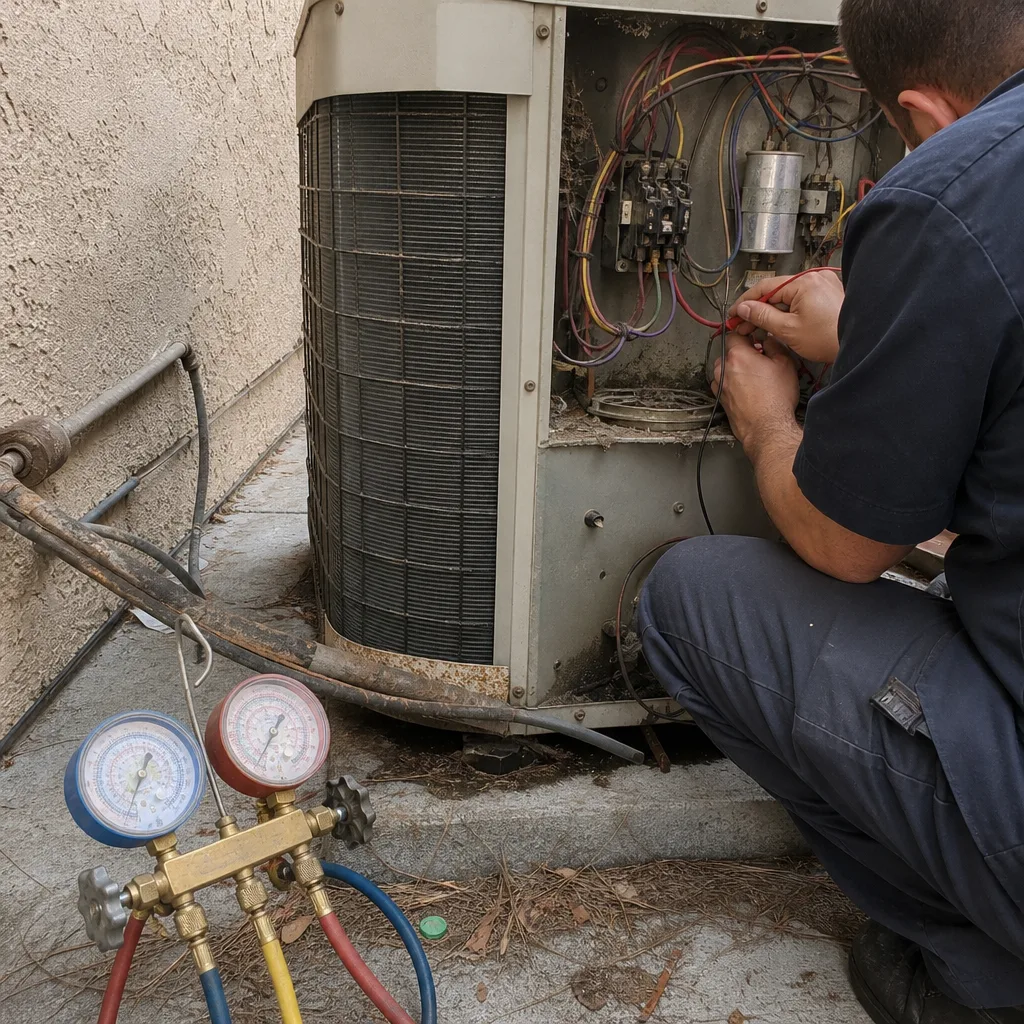 Before
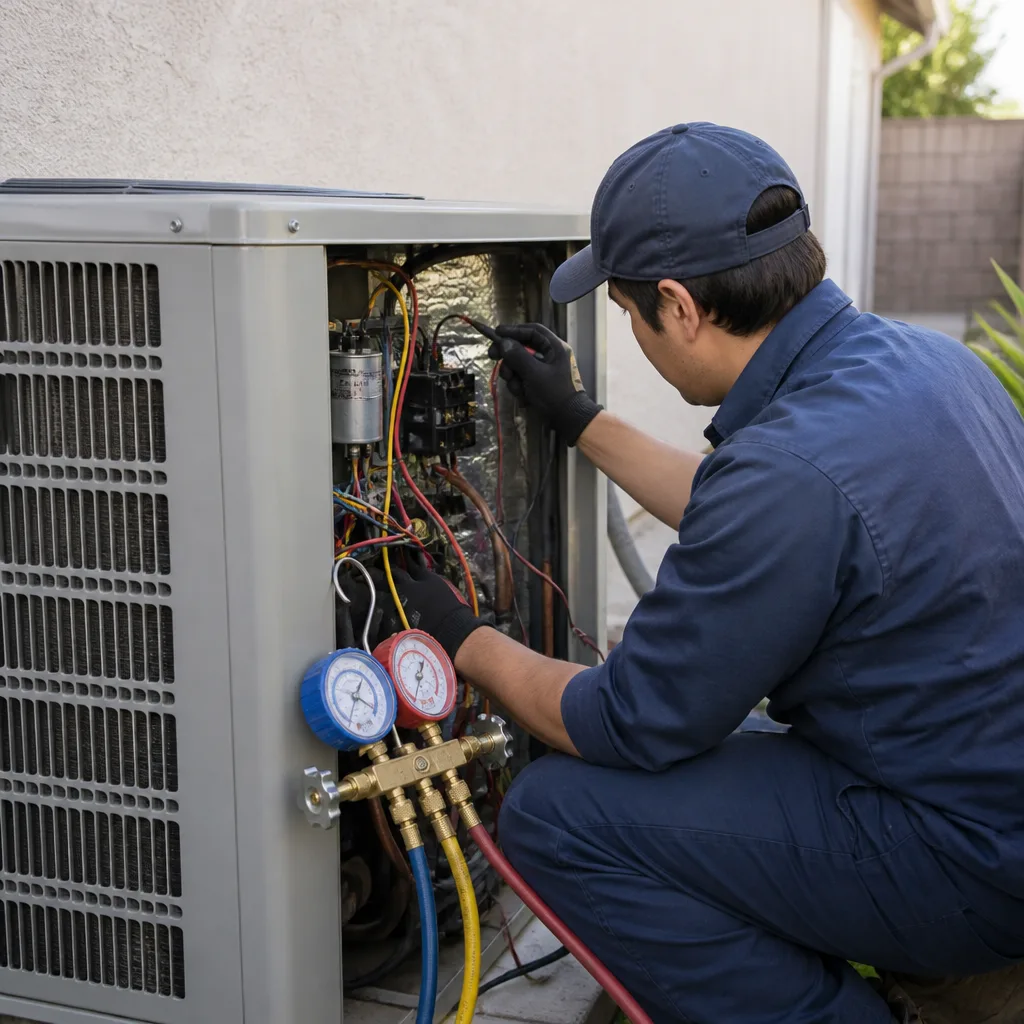 After
After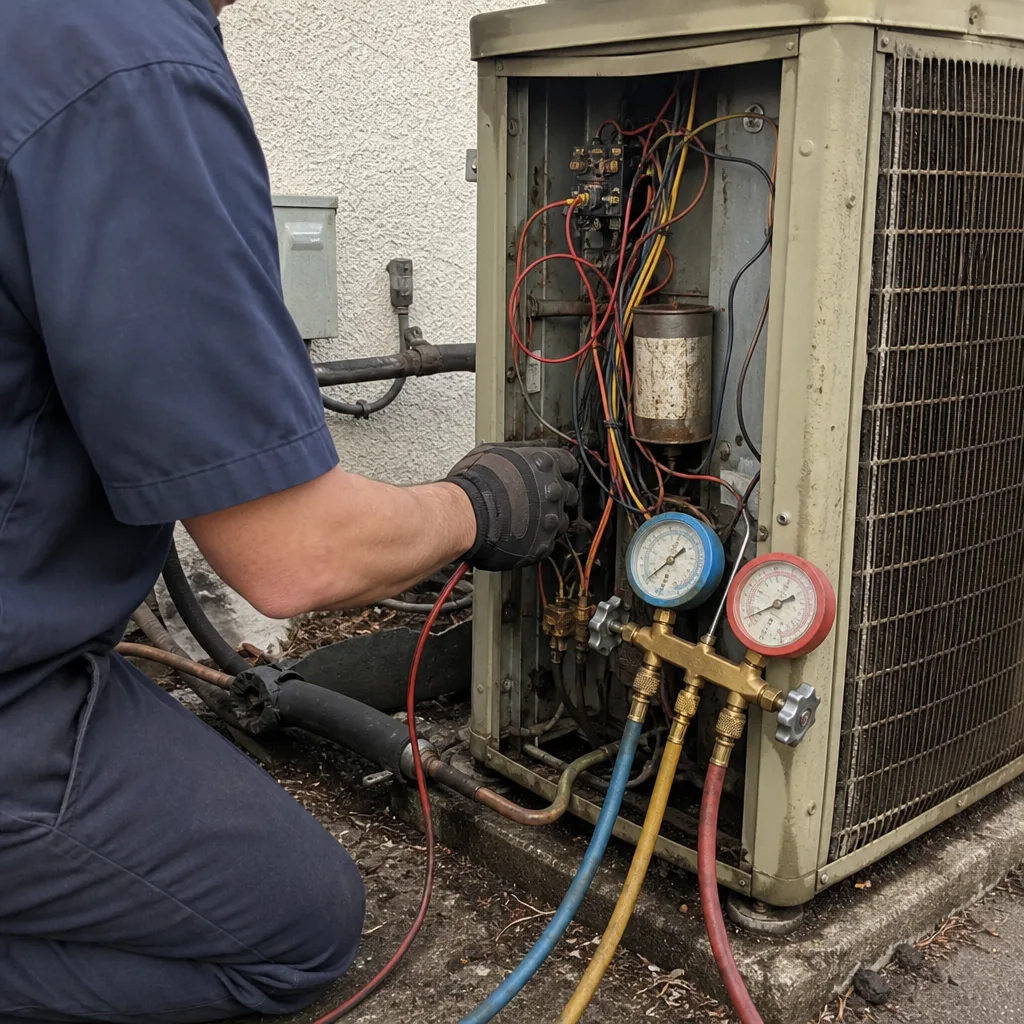 Before
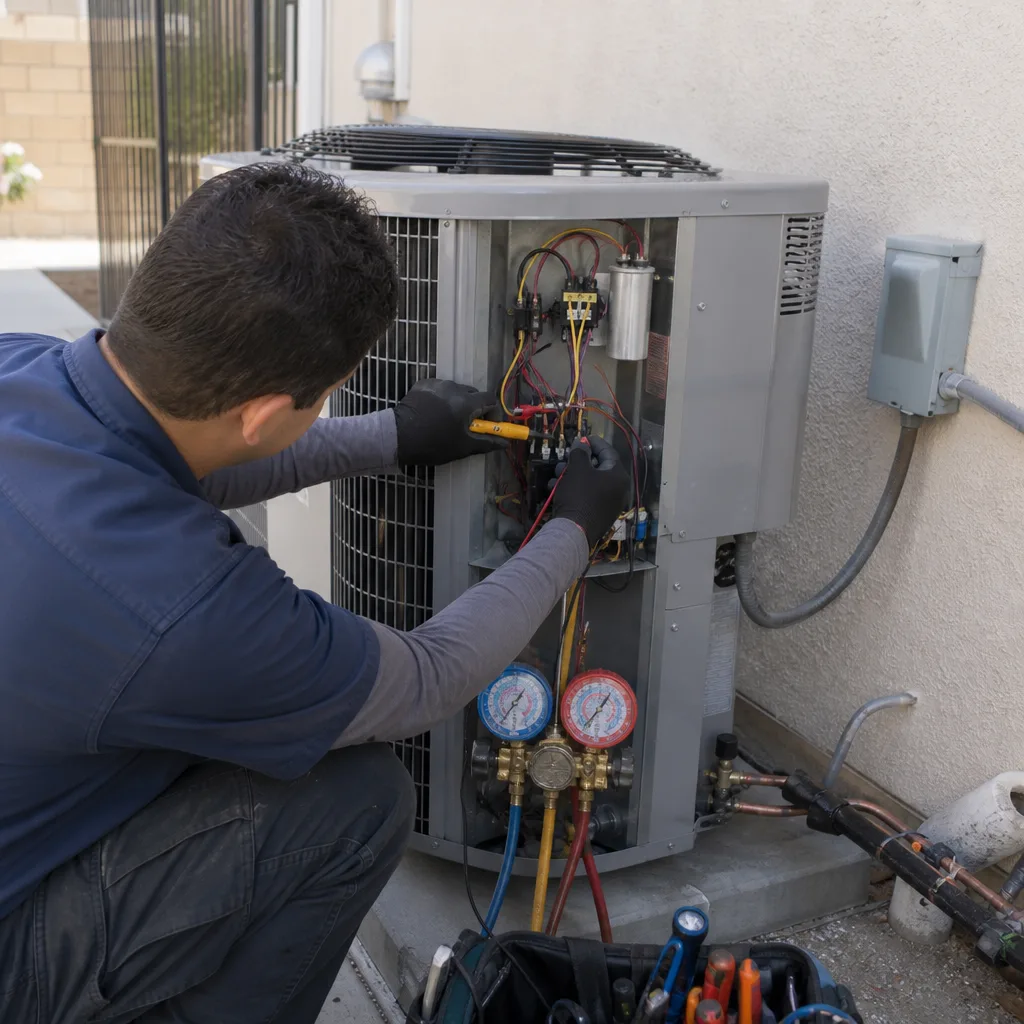 After
After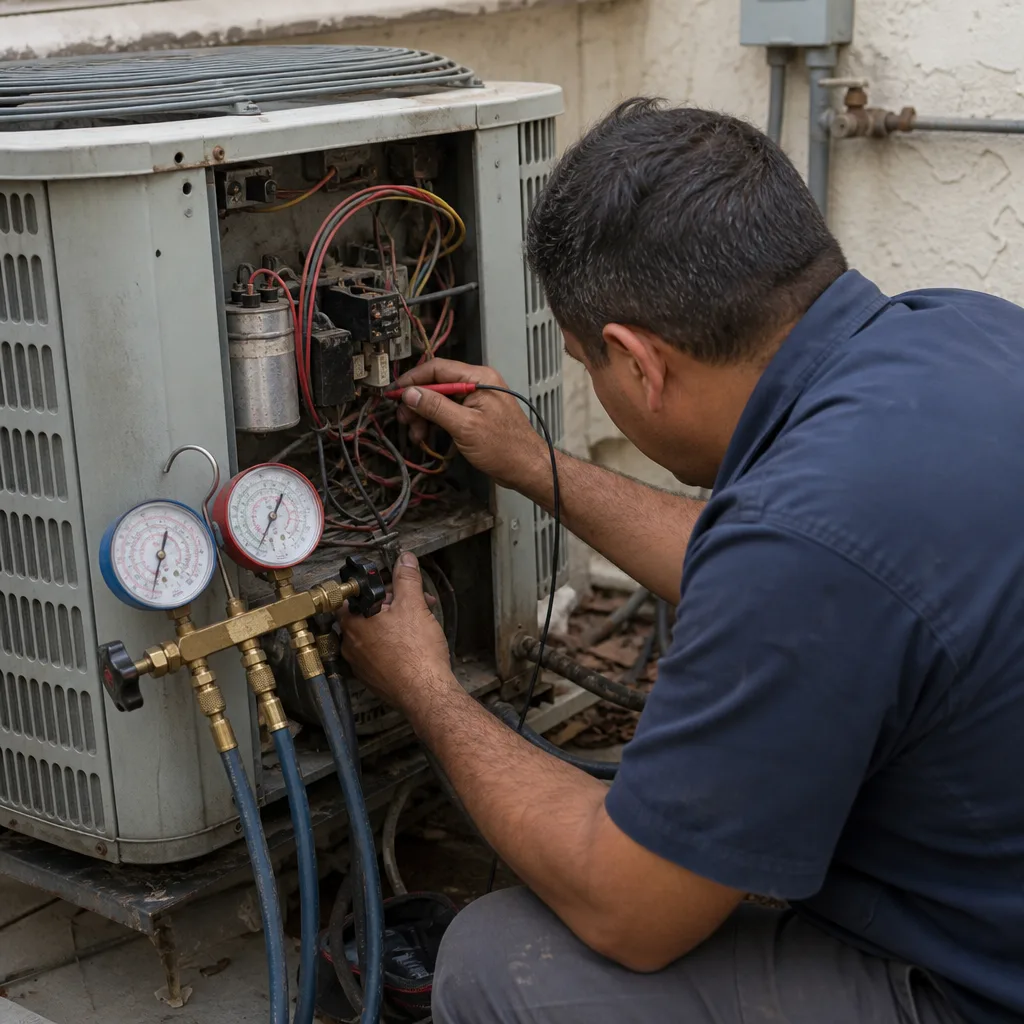 Before
 After
AfterReplacement Cost & What’s Included
Ductwork repair in Long Beach lands in a few distinct price bands, and the number depends on what’s actually broken. A simple disconnected run that we reattach and seal runs $150 to $300. Replacing a crushed flex run with new insulated duct runs $250 to $500 depending on length and accessibility. Repairing or replacing a return plenum, or adding a new supply run, pushes toward the $400 to $650 range. If the whole duct system needs replacement, that’s a separate conversation with a different price structure.
Every one of those numbers is a written price before we start. Not an estimate with fine print, a fixed number. The part, the labor, and our one-year written guarantee are included. If the repair fails inside that year, we return at no charge. That’s the Garrison Standard, and we’ve been held to it since 2003.
DIY or Call Us?
There are a few things you can check safely: visible registers that might be closed, an obviously disconnected flex run you can see from the attic access, or furniture blocking a return grille. Those are worth five minutes of your time.
Here’s where DIY goes wrong: ductwork lives in attics, crawlspaces, and wall cavities. Attics in Long Beach run 130 degrees in summer, and duct sealing requires materials most homeowners don’t keep in the garage. More importantly, the repair has to account for airflow balance across the whole system. Patch one leak and you’ve changed the pressure characteristics, which can uncover the next weak point or strain the blower. We’ve fixed more than a few homeowner duct repairs that made the original problem worse. If you’re not sure what you’re looking at, call (562) 512-7423 and we’ll put eyes on it.
FAQs
How long does American Standard ductwork last?
Flex duct typically lasts 15 to 20 years in Long Beach’s climate before the inner liner deteriorates or the insulation compresses. Rigid metal duct can last 30 years or more if it was sealed properly. Coastal humidity accelerates wear on duct tape and mastic seals, so seals fail before the duct itself does. If your home is older than two decades and the ducts are original, a full inspection is worth the cost.
Can ductwork be repaired instead of replaced?
Yes, most of the time. Disconnected runs, leaking seams, crushed flex sections, and failed collars are all repairable. Replacement only makes sense when the duct material itself has deteriorated, when multiple runs are undersized for the American Standard equipment they’re serving, or when the system was so poorly designed that patching it is throwing good money after bad.
How long does a ductwork repair take?
A single disconnected run or a seam seal job takes one to two hours on site. Replacing a flex run or repairing a plenum runs two to four hours. We carry the common repair parts on the truck, so most jobs don’t require a second visit.
Do you stock American Standard ductwork parts?
Yes. We stock the common-sized duct collars, dampers, flex duct, mastic, and sealants that match American Standard equipment specs. We also service and stock parts for Carrier, Trane, and Lennox systems, but American Standard is one of the nine brands our technicians are factory-trained on. If a specialty part isn’t on the truck, we source it from our local supplier same-day in most cases.
Written by Marco Benitez, Owner, Dalton Heating & Air Long Beach at Dalton Heating & Air Long Beach, serving Long Beach and nearby areas.