
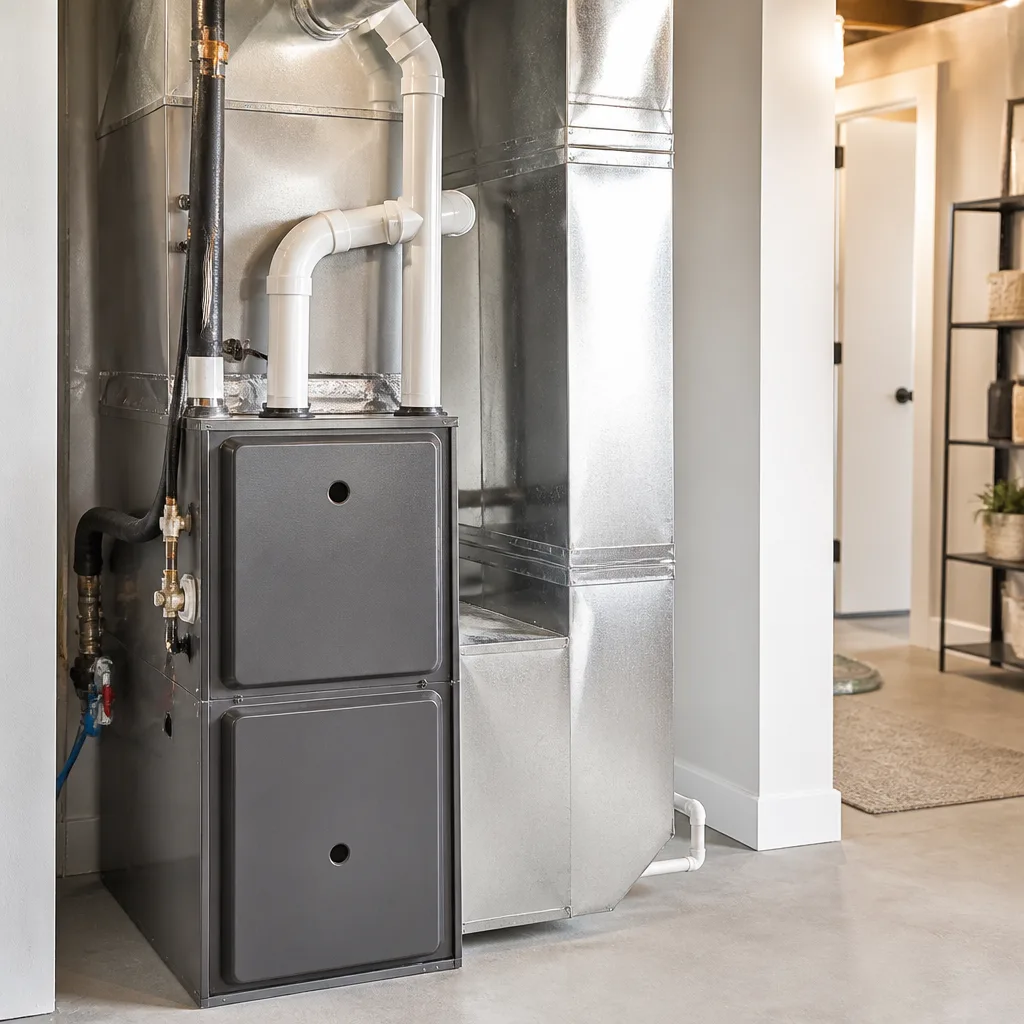
 Furnace & heating
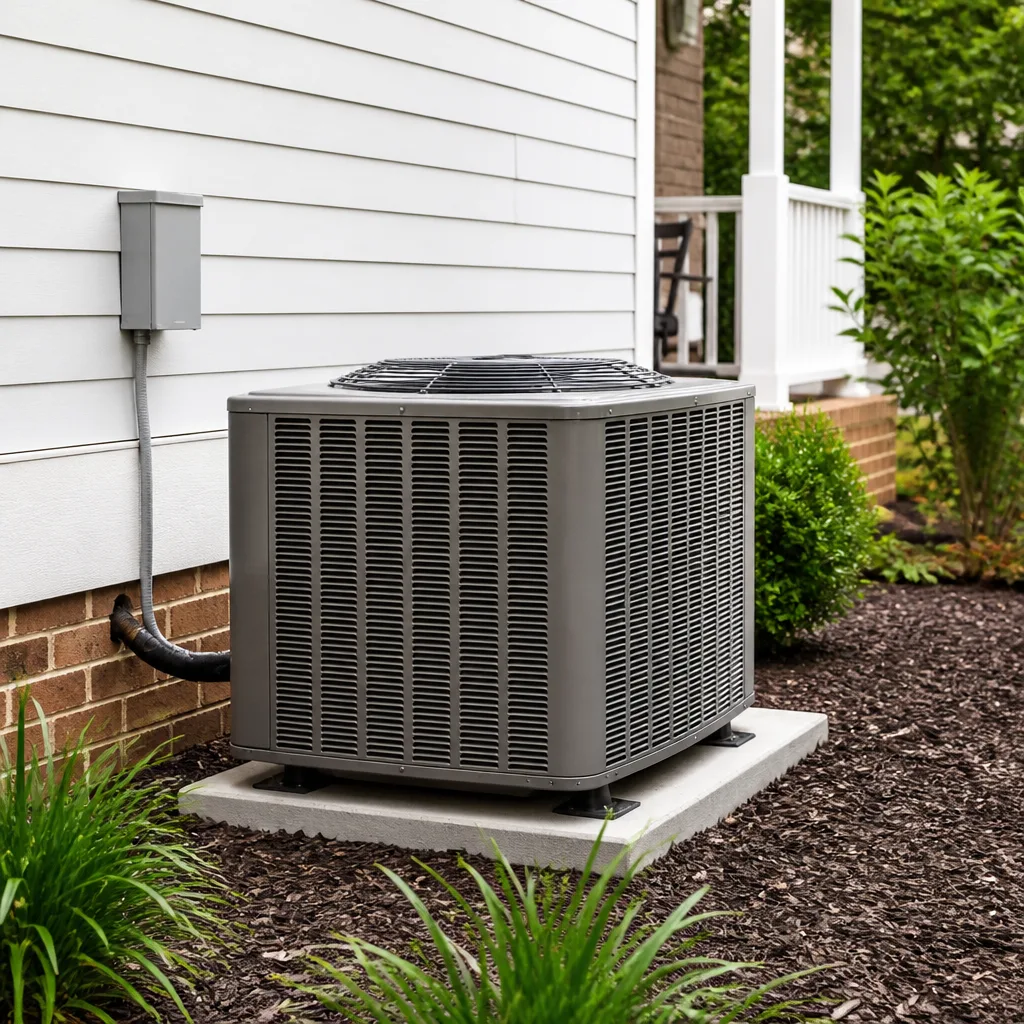 AC repair
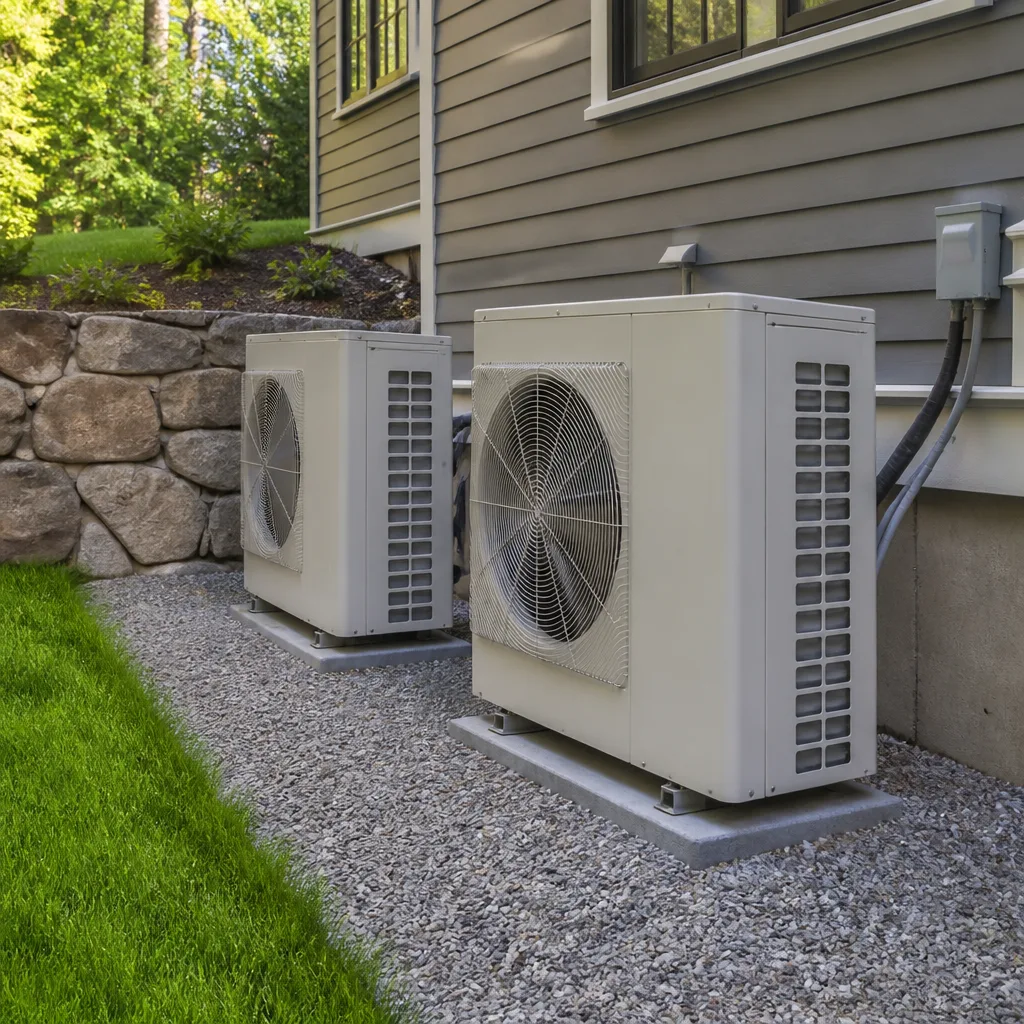 Heat pumps
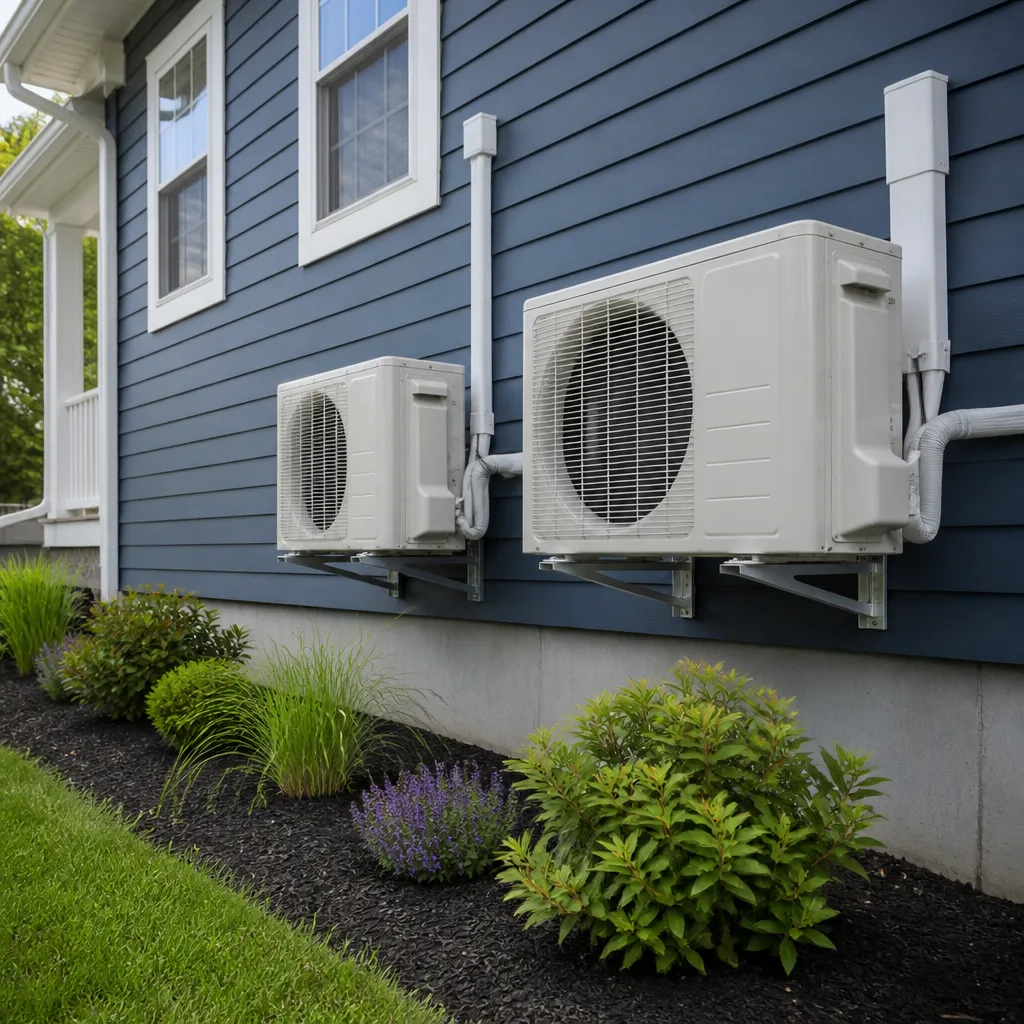 Ductless mini splits
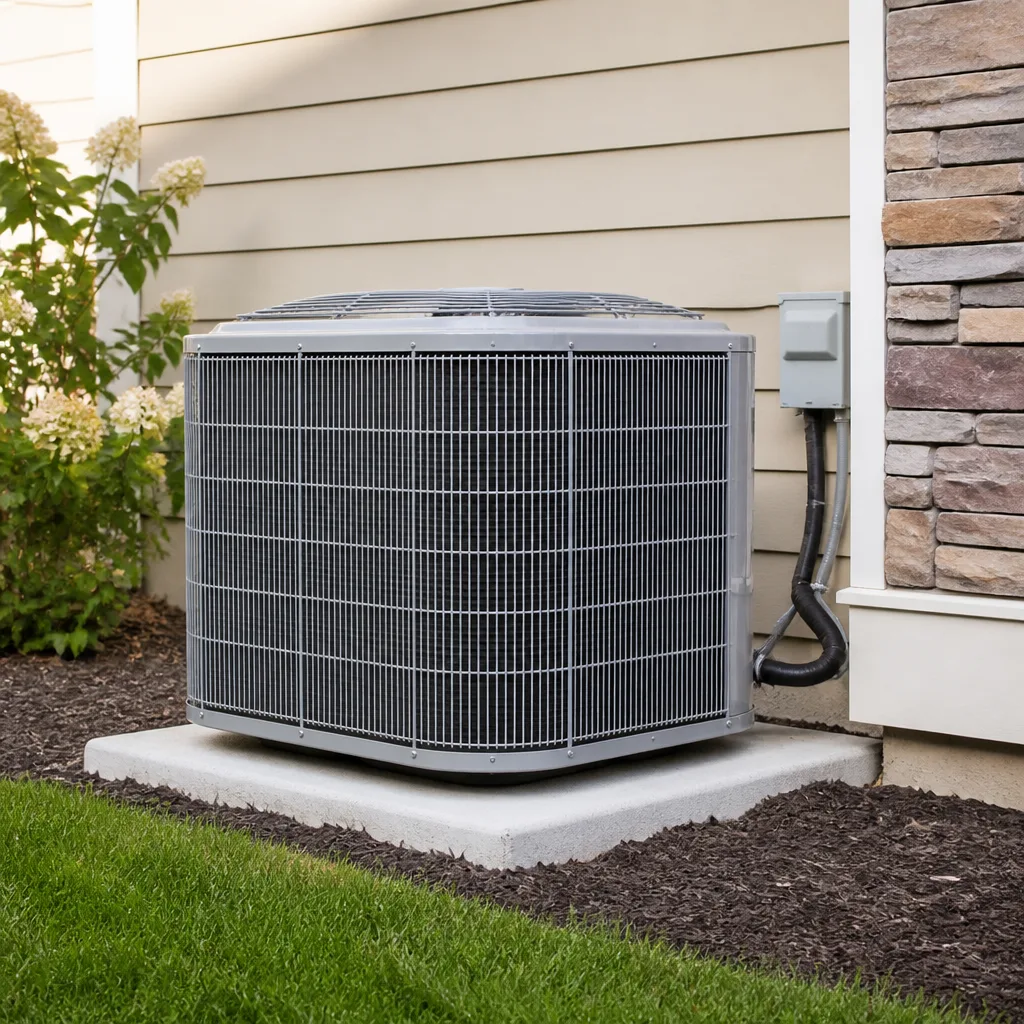 Carrier
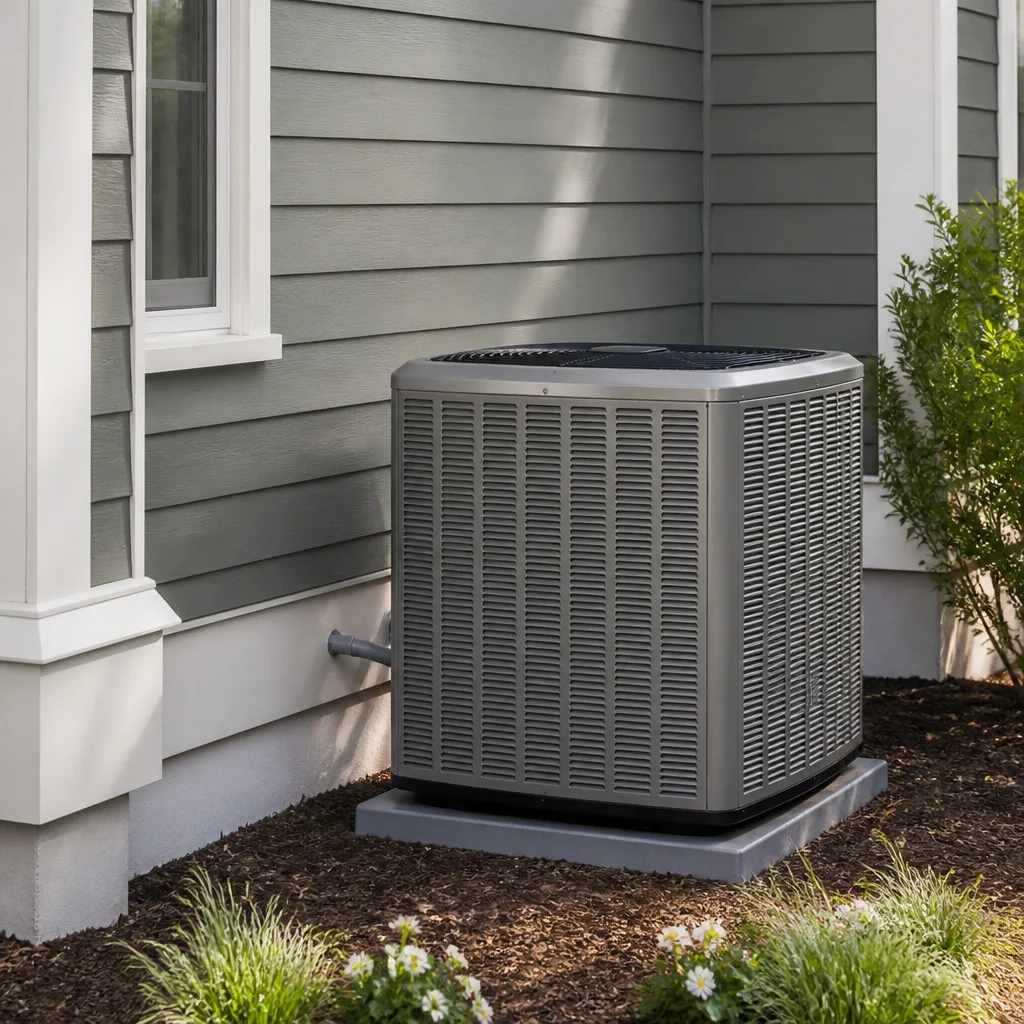 Trane
Trane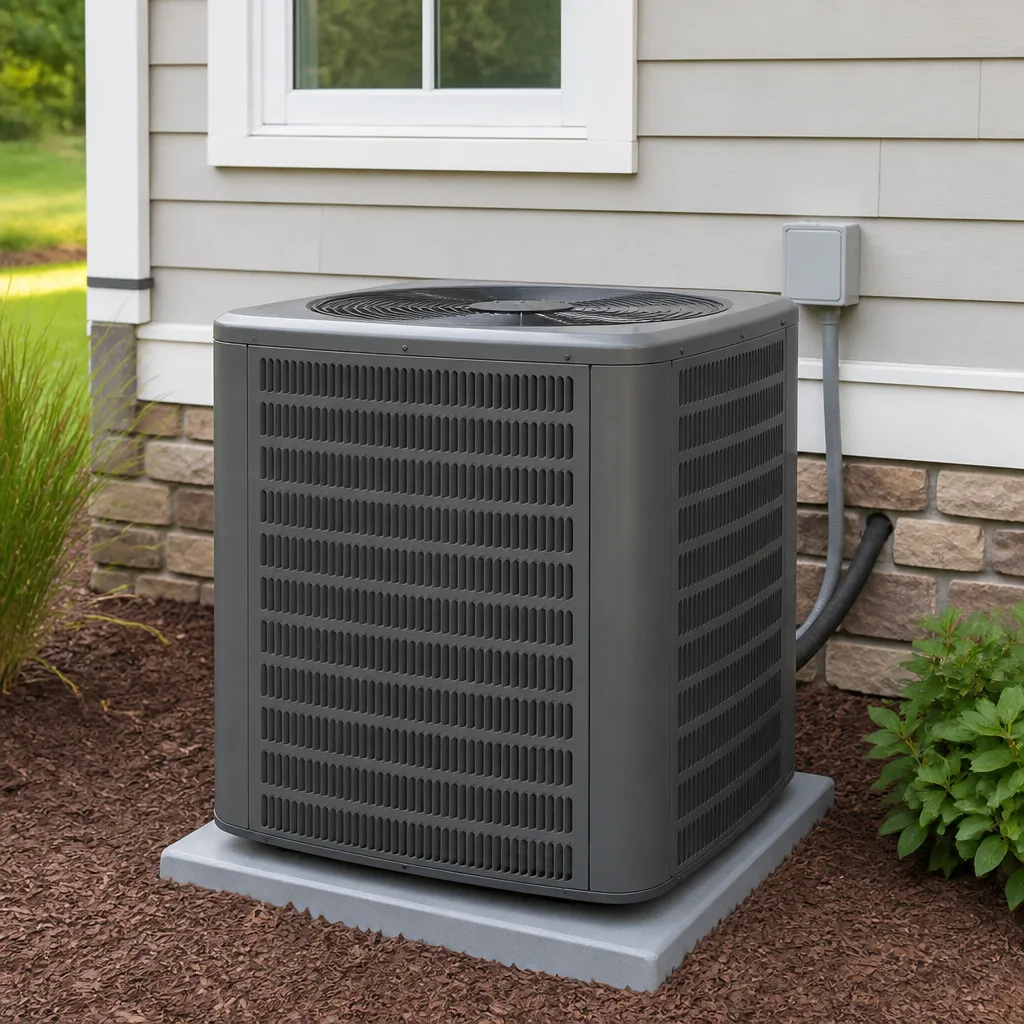 Goodman
Seasonal tune-up and full diagnostic on your Carrier, Trane, or Goodman system - readings shown to you before any repair is proposed
Diagnosis first, numbers second - you approve the repair price before a single part goes in.
Get your free estimateStyles & brands we work with
See the difference
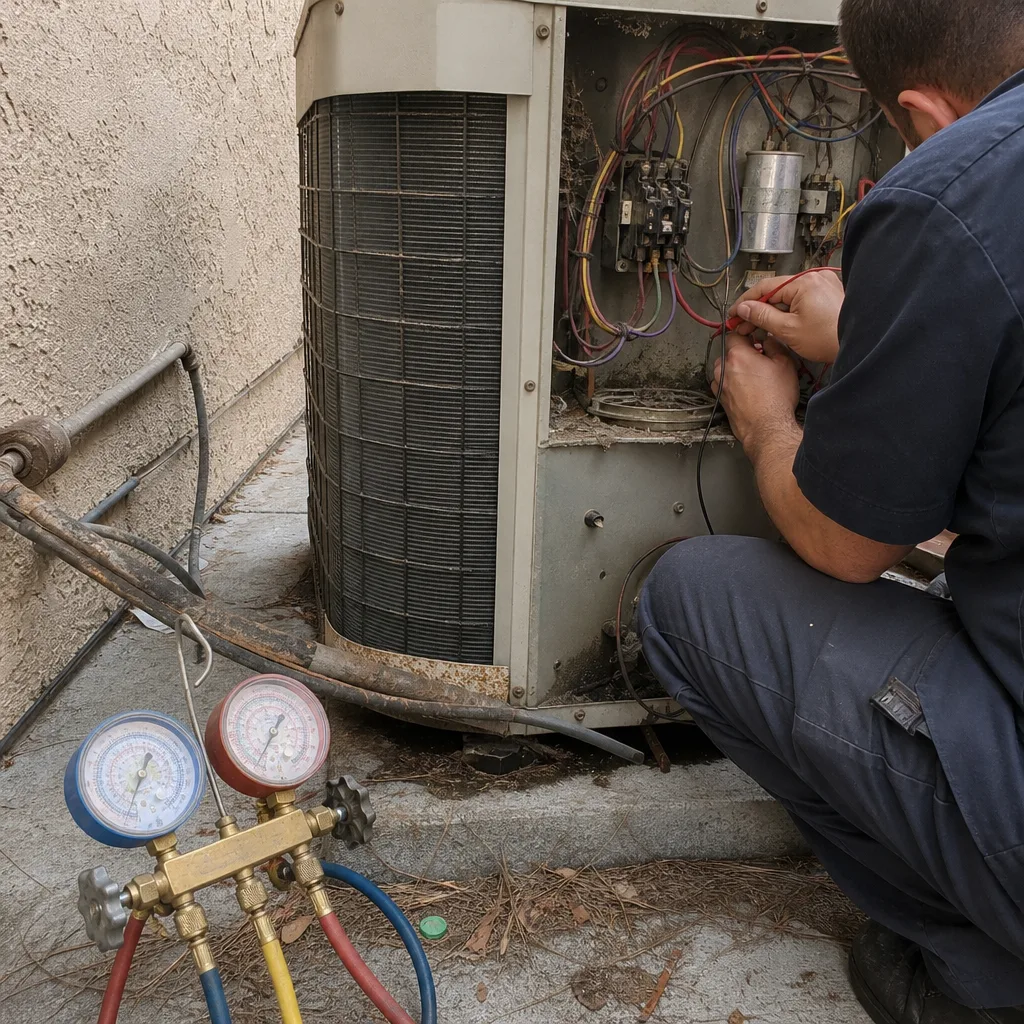 Before
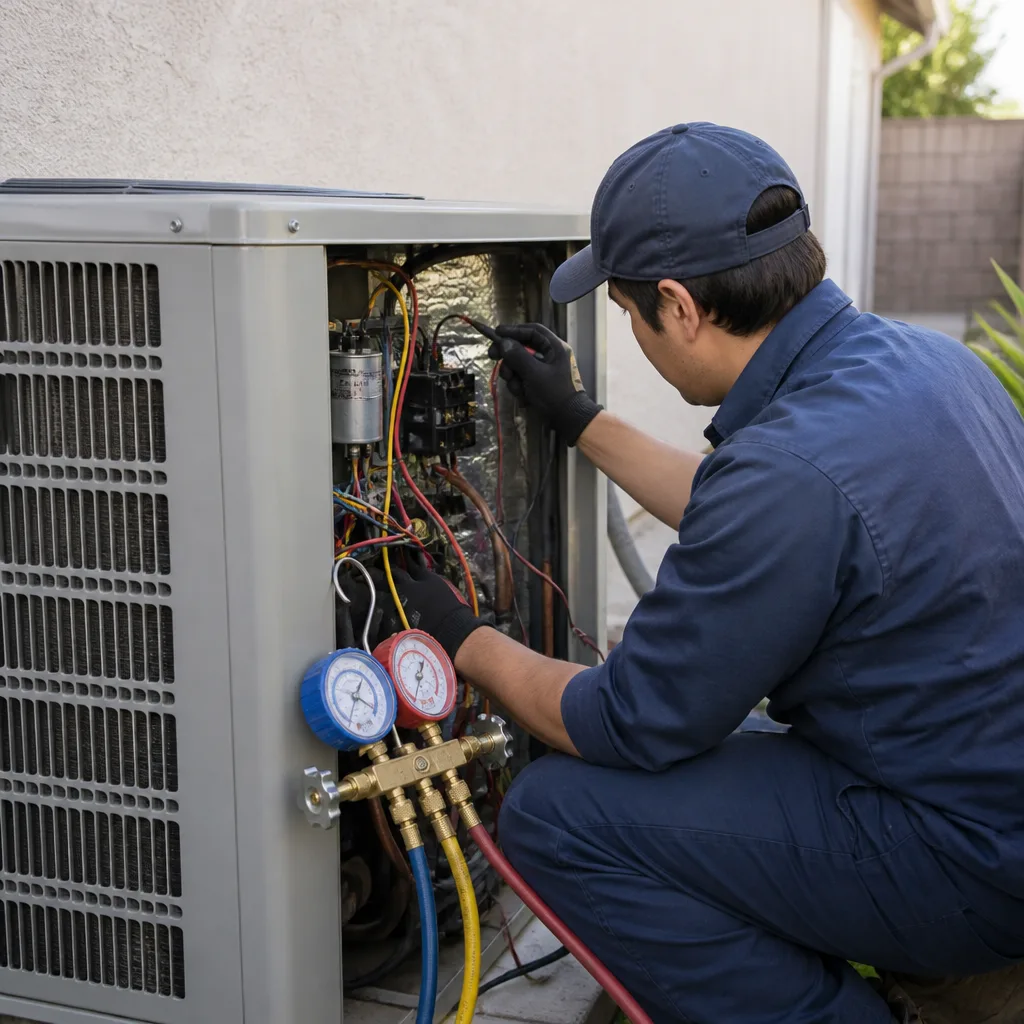 After
After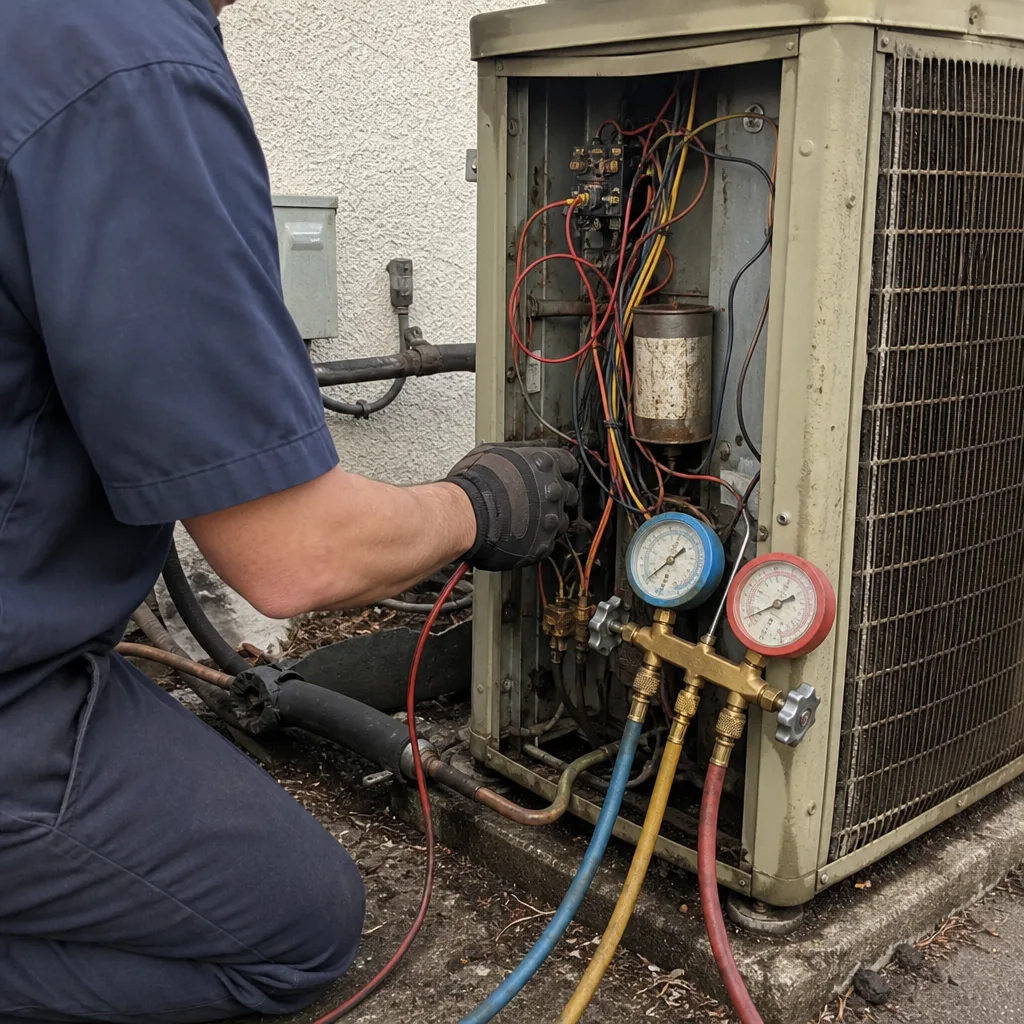 Before
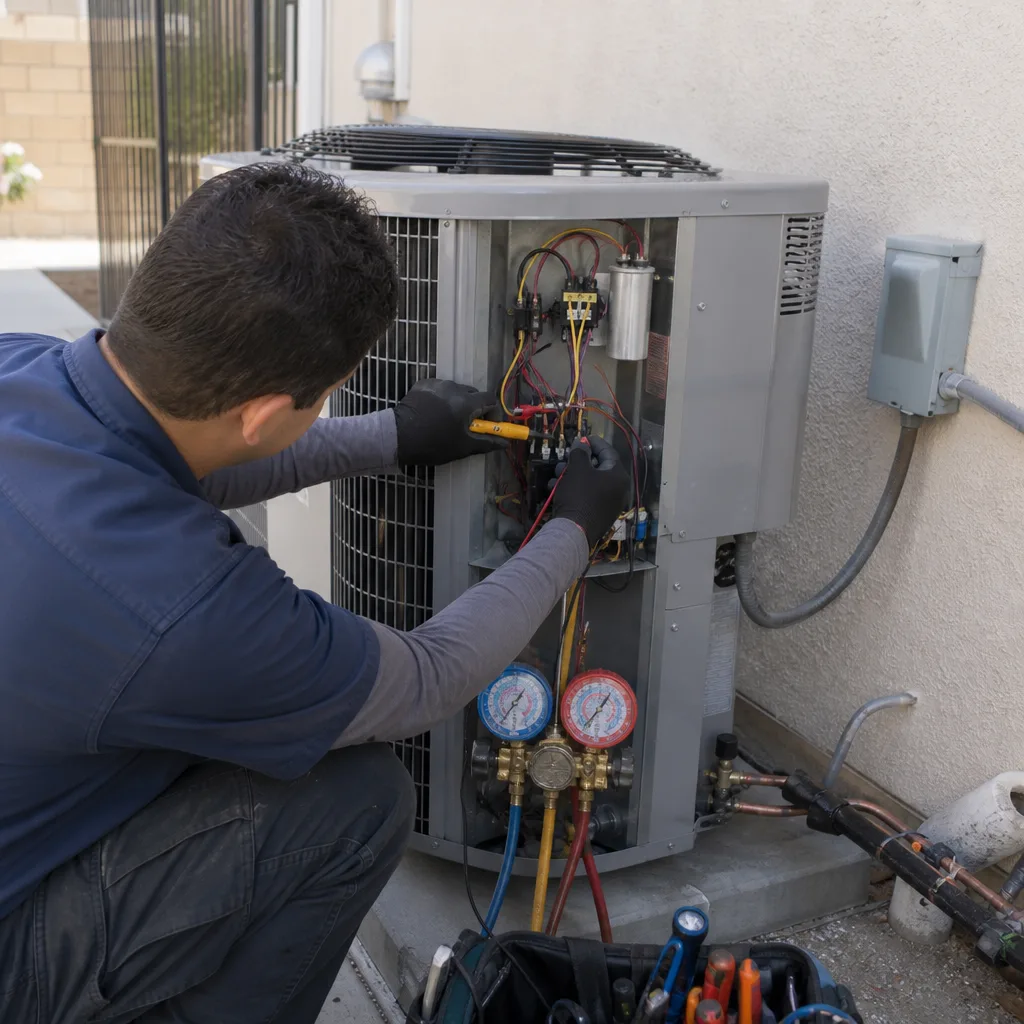 After
After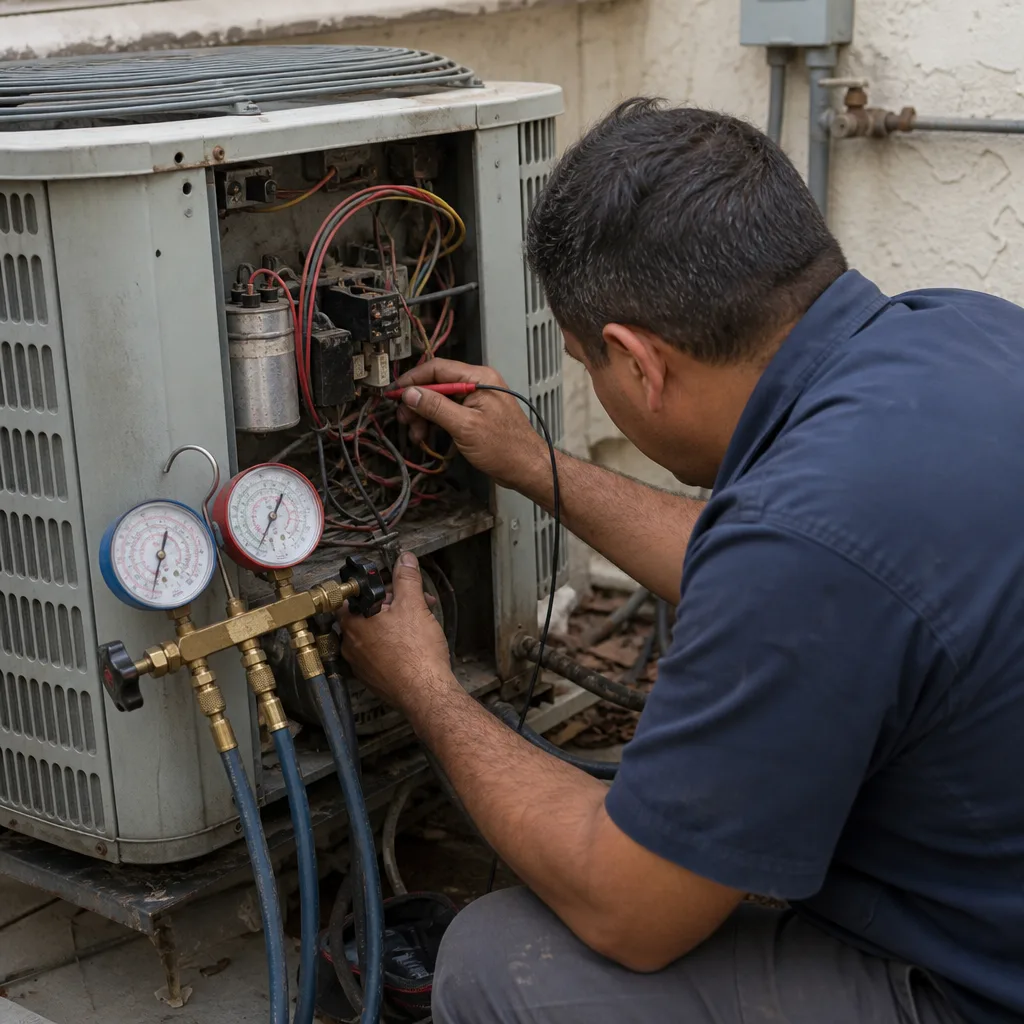 Before
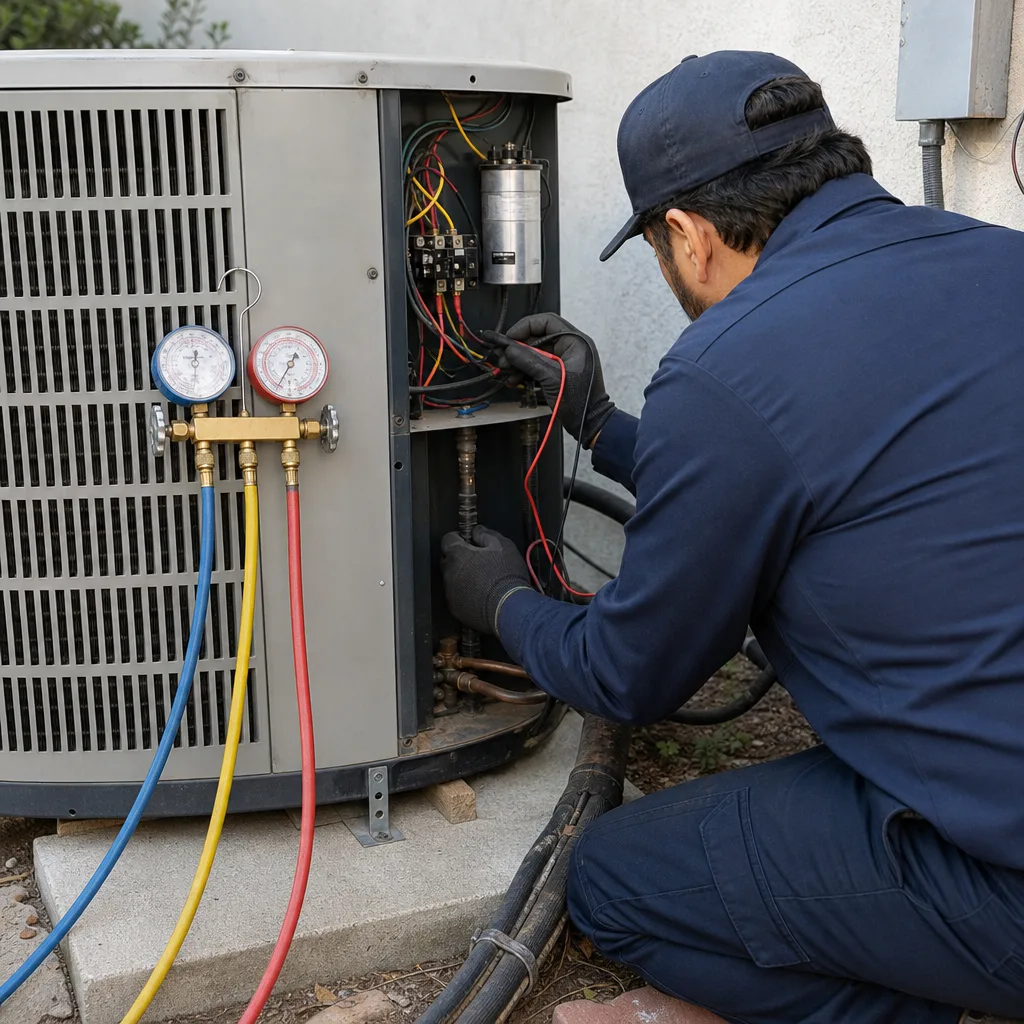 After
AfterHow Much Does AC Installation Cost in Long Beach?
A new AC installation in Long Beach typically runs between $3,500 and $7,500, with most single-family homes landing around $5,000 to $6,500. The final number depends on system size, efficiency rating, ductwork condition, and whether you’re replacing an existing unit or adding cooling to a home that never had it. A full system changeout with a mid-efficiency unit in a standard 1,800-square-foot Long Beach home usually falls in the $4,500 to $6,000 range, while high-efficiency inverter systems or homes needing ductwork replacement push toward the top of that range and beyond.
Those numbers are for the Long Beach market specifically, not a national average. Coastal humidity, the mix of 1920s bungalows and 1990s tract homes, and local permit requirements all shape what you’ll actually pay here. We’ll break down exactly where the money goes, what drives the price up or down, and how to avoid overpaying for equipment you don’t need.
Key Takeaways
- Expect to pay $3,500 – $7,500 for a complete AC installation in Long Beach.
- Equipment is roughly 40 – 50% of the total; labor, permits, and materials make up the rest.
- SEER rating, home size, ductwork condition, and electrical panel capacity are the four biggest cost drivers.
- Free estimates are standard practice. Get at least three written quotes before committing.
- Installing the wrong size unit costs more long-term than the installation itself.
2026 AC Installation Cost Breakdown
Here’s where the money goes on a typical Long Beach installation. These are line-item ranges for a standard 3-ton system in a home between 1,500 and 2,000 square feet:
| Cost Component | Typical Range (Long Beach, 2026) |
|---|---|
| Condensing unit (outdoor) | $1,800 – $3,600 |
| Evaporator coil (indoor) | $800 – $1,500 |
| Furnace or air handler (if replaced) | $1,200 – $2,800 |
| Labor (2-person crew, 1 – 2 days) | $1,200 – $2,500 |
| Electrical work (disconnect, whip, circuit) | $250 – $700 |
| Refrigerant lines (if new or resized) | $300 – $900 |
| Pad, disconnect box, condensate line, misc. materials | $200 – $500 |
| City of Long Beach permit | $150 – $400 |
| Ductwork modifications or replacement (if needed) | $500 – $4,000+ |
| Thermostat (if upgraded to smart or programmable) | $75 – $350 |
Those ranges assume a straight changeout: the old equipment comes out, new equipment goes in, existing ductwork stays. If your ducts are rusted, undersized, or original to a 1940s California bungalow in Belmont Heights or Rose Park, plan for additional work. Ductwork replacement in Long Beach commonly adds $4,000 to $8,000 on top of the equipment cost, and in older homes with asbestos-wrapped ducts, abatement can add several thousand more.
One thing we see repeatedly in Long Beach: homes within a few miles of the coast have outdoor units that corrode faster than inland properties. Salt air eats through condenser fins and coils years before the compressor fails. When you’re replacing a unit that’s been sitting in that environment for 15 years, the line set and electrical whip often need replacing too. A clean swap is the exception in Naples, Belmont Shore, and the Peninsula, not the rule.
What Affects AC Installation Pricing in Long Beach
- Home size and cooling load. A 3-ton system cools roughly 1,500 – 2,000 square feet in Long Beach’s climate, but that’s shorthand. Ceiling height, window orientation, insulation levels, and tree cover all shift the calculation. A proper load calculation (Manual J) matters more here than in places with more extreme summers because humidity plays a bigger role in comfort than raw temperature.
- SEER rating and equipment tier. SEER is the efficiency rating: Seasonal Energy Efficiency Ratio. A base 14 – 15 SEER unit is the cheapest to install. A 17 – 18 SEER two-stage unit runs $1,200 – $2,500 more. A 20+ SEER inverter system can add $3,000 – $5,000. Southern California Edison rates keep climbing, so higher SEER pays back faster here than in cheaper-electricity markets.
- Ductwork condition. Homes in Lakewood Village, Los Altos, and the historic districts often have ducts from the 1970s or earlier. Leaky ducts waste 20 – 30% of your cooling, which means you’re paying to cool the attic. If a pressure test shows significant leakage, replacing ductwork before or during installation is the right call.
- Electrical panel capacity. Many older Long Beach homes have 100-amp panels. A 3-ton AC pulls significant startup current. If the panel is full or undersized, you’re adding $1,500 – $4,000 for an electrical service upgrade before the AC goes in. This surprises a lot of homeowners in Wrigley and Bixby Knolls who budgeted for equipment only.
- Permit and code requirements. Long Beach enforces California Title 24 energy standards, which require specific efficiency minimums and duct sealing verification. The city also requires permits for any equipment changeout. Legitimate contractors include permit fees in the quote. Anyone who suggests skipping the permit to save money is cutting a corner that comes back on you at sale time.
- Time of year. AC installers in Long Beach are busiest June through September. Scheduling in spring or fall sometimes gets you better attention and occasionally better pricing, though the difference is usually a few hundred dollars, not thousands.
How Dalton Heating & Air Long Beach Prices AC Installation
We put the full price in writing before any equipment gets ordered. Not an estimate range, not a “we’ll see once we get in there.” The written quote covers equipment model numbers, line-item labor, permit fees, electrical work, and any duct modifications we’ve identified during the walkthrough. That’s the Garrison Standard, and it’s been the operating rule since 2003.
Marco Benitez leads our Long Beach team. He’s held every one of our crews to the same standard: arrive inside the stated window, put the price in writing before starting, do the job by the book, leave the site clean, and stand behind the work for a full year. If an installation has a problem within 365 days, we return and correct it. That’s the 365-Day Done Right Promise, and it’s not an add-on or a premium tier. It applies to every job we do.
We’re factory-trained across nine major residential brands: Carrier, Trane, Lennox, Goodman, Rheem, York, Daikin, Bryant, and American Standard. That matters because different brands fit different homes and budgets. A Goodman unit is not a Carrier unit, and we’ll tell you plainly where the differences are real and where they’re not. We don’t push one brand because we have inventory to move.
And we answer the phone. A live person picks up 24 hours a day, 7 days a week. When you call about an installation quote, you get a scheduled walkthrough time, not a callback window.
How Much Does AC Installation Cost in Long Beach by Home Size?
Here are realistic installed cost ranges for common Long Beach home profiles in 2026. These assume a straight changeout with existing ducts in serviceable condition:
- Small condo or apartment (under 900 sq ft): $3,500 – $5,000. Typically a 1.5 – 2 ton unit. Condo associations in downtown Long Beach high-rises often have restrictions on where condensers can sit, so planning matters.
- 2 – 3 bedroom home (1,200 – 1,800 sq ft): $4,200 – $6,500. This is the sweet spot for most single-family homes in the Los Altos, Plaza, and El Dorado Park neighborhoods. Usually a 2.5 – 3 ton system.
- Larger home (2,000 – 2,800 sq ft): $5,500 – $8,500. May require a 4 – 5 ton system, which sometimes means two smaller units or a zoned setup depending on layout.
- Historic home needing ductwork replacement: $8,000 – $15,000+. Add ductwork, possible asbestos abatement, and electrical upgrades to a bungalow in Bluff Heights and the number climbs fast. We do these regularly, and the quote includes every line item before work starts.
No two homes are identical, even on the same block. A 1,400-square-foot Spanish revival on one side of the street might have newer ducts and a 200-amp panel, while the same floor plan across the street has original 1950s ducts and knob-and-tube wiring running through the attic. One installs for $5,000. The other needs $9,000. The only way to know is a walkthrough with someone who has done hundreds of Long Beach installations.
Is a Higher SEER Rating Worth the Money in Long Beach?
Here’s the honest math. Long Beach averages roughly 1,600 to 2,000 cooling hours per year, depending on how close to the coast you are. A 14 SEER unit and a 20 SEER unit cooling the same house will use noticeably different amounts of electricity. The 20 SEER system uses about 30% less energy for the same cooling output.
On a typical Long Beach electric bill where cooling represents $400 – $600 per year in usage, a 30% efficiency gain saves $120 – $180 annually. If the high-efficiency unit costs $3,000 more upfront, that’s a 17 to 25 year payback. That’s not a good investment by payback math alone.
But payback is not the only factor. Higher SEER systems are quieter, maintain more even temperatures, and dehumidify better. The humidity control matters in Long Beach. A standard single-stage unit blasts cold air and shuts off, which leaves the air feeling clammy in the shoulder seasons. A two-stage or inverter unit runs longer at lower output, pulling more moisture out of the air. If you live in Naples or near the water where humidity sits high, that comfort difference is real and worth something.
Our recommendation to most Long Beach homeowners: 16 – 18 SEER two-stage equipment hits the sweet spot. You get most of the comfort benefit without the full inverter premium. We’ll show you the numbers for your specific home and let you decide.
How to Save on AC Installation
Smart ways to keep the total down without cutting corners on the install itself:
- Replace before it fails. When your AC dies in August, you’re paying emergency pricing and taking whatever equipment the supply house has in stock. If your unit is 12+ years old or needs a refrigerant that’s no longer manufactured (R-22), start planning now. You’ll save $500 – $1,500 by scheduling during spring or fall.
- Get a real load calculation. Oversized equipment costs more to buy, costs more to run, and fails earlier because it short-cycles. A Manual J calculation tells you the right size. Any contractor who sizes by “square feet divided by 500” without measuring windows, insulation, and orientation is guessing. Guesses cost money.
- Ask about equipment rebates. Southern California Edison and the federal government both offer rebates and tax credits for qualifying high-efficiency equipment in 2026. We identify applicable rebates in every proposal.
- Replace the whole system at once. If your furnace is 15+ years old, doing the AC and furnace together saves on labor. The crew is already there, the coil matches the furnace, and you avoid a second permit and a second service window.
- Don’t skimp on the install itself. The cheapest quote usually means a crew cutting corners: skipping nitrogen purges during brazing, reusing old linesets that are the wrong size, or skipping the vacuum pump hold test. That work fails within a year or two, and the cost to redo it dwarfs what you saved.
Every Dalton Heating & Air installation quote is free and comes with the full price in writing. Call (562) 512-7423 to schedule a walkthrough. We’ll measure, calculate, and give you the number. No obligation, no pressure.
FAQs – AC Installation Cost
How much does a new AC unit cost installed in Long Beach?
A new AC unit installed in Long Beach costs $3,500 to $7,500 for most homes, with typical single-family houses falling between $4,500 and $6,000. Small condos run closer to $3,500, while larger homes or those needing ductwork replacement can hit $10,000 or more. The best way to get an exact number is a free walkthrough. Call (562) 512-7423 and we’ll put a written quote together.
Is it cheaper to repair or replace my AC in Long Beach?
Repairs cost $150 – $650 for most issues, while a new system starts at $3,500. The general rule: if the repair costs more than 50% of what a new system would cost, or the unit is over 12 years old, replacement makes more sense long-term. We’ll tell you plainly which direction makes financial sense for your specific equipment. The diagnostic is part of every service call, and the price is in writing before any work starts.
How long does AC installation take?
A standard changeout takes one full day, typically 6 – 10 hours with a two-person crew. If ductwork replacement or electrical panel upgrades are involved, plan for two to three days. We give you the full schedule in writing before work begins and we arrive inside the stated window.
Does Long Beach require a permit for AC installation?
Yes. The City of Long Beach requires a mechanical permit for AC equipment replacement, and the work must pass inspection to confirm it meets California Title 24 energy standards. All Dalton Heating & Air installation quotes include permit fees, and we handle the filing and inspection scheduling. Anyone offering to skip the permit is putting you at risk on insurance claims and future property sales.
What size AC unit do I need for my Long Beach home?
A 3-ton system handles roughly 1,500 – 2,000 square feet in Long Beach’s climate, but ceiling height, insulation, window square footage, and sun exposure all shift that number. We perform a Manual J load calculation on every installation quote so the sizing is based on measurements, not guesswork. Call (562) 512-7423 to schedule a free assessment.
Can you install my AC the same week?
In most cases, yes. We stock equipment from nine major brands and our supply chain runs weekly from multiple distributors in the Long Beach area. During peak summer months, equipment lead times for specialty units can stretch 1 – 2 weeks. For a standard 3-ton system, same-week installation is usually achievable.
What to Expect When You Call
Here’s the process from first call to finished installation with Dalton Heating & Air Long Beach:
- Call or schedule online. A live person answers. You tell us about your home, your current system, and what’s prompting the replacement. We schedule a walkthrough at a time that works for you.
- Walkthrough and measurement. Marco Benitez or one of our senior techs visits the property. We measure square footage, inspect the ductwork, check the electrical panel, look at window orientation and insulation, and discuss your cooling needs and budget.
- Written quote. Within 24 hours, you get a line-item quote covering equipment, labor, electrical, permits, ductwork (if needed), and any other work we identified. The price doesn’t change at the door.
- Installation day. A background-checked, uniformed crew arrives inside the stated window. We protect your floors, do the work by the book, clean up completely, and walk you through the new system before we leave.
- Post-installation support. Your installation carries the 365-Day Done Right Promise. If anything isn’t right within a full year, we return and correct it at no charge. We also register your equipment warranty for you.
That’s the Garrison Code: arrive inside the window, price in writing before starting, do the job by the book, leave the site clean, and stand behind the work for a full year. It’s been the operating standard since 2003.
Long Beach Climate and AC Sizing
Long Beach has a mild coastal climate that many installers misread. Average summer highs sit in the mid-80s, rarely cracking 100. But the humidity is the story. Marine layer mornings mean indoor humidity levels of 70% or higher from May through July. A properly sized AC does two jobs in Long Beach: it drops the temperature and it pulls moisture out of the air. An oversized unit blasts cold for ten minutes, shuts off, and leaves the humidity behind. The house feels clammy even at 72 degrees.
That’s why we run Manual J calculations on every installation. It accounts for Long Beach’s specific weather data, not a generic “hot climate” assumption. It measures your home’s actual cooling load – how much heat comes through the walls, ceiling, windows, and from appliances and occupants – and sizes the equipment to match. It’s the difference between a system that keeps you comfortable and one that just moves air around.
Ductwork and Your Installation Cost
Long Beach has some of the oldest housing stock in Southern California. Homes in the historic districts near downtown, the bungalows of Belmont Heights, and the mid-century tracts in Los Altos all have ductwork that predates modern efficiency standards by decades. We’ve pulled ducts out of attics in Rose Park that were patched with duct tape so many times the original metal was barely visible.
Leaky ducts lose cooling to the attic before it reaches your living room. The Department of Energy estimates typical homes lose 20 – 30% of conditioned air through duct leakage. In Long Beach, where cooling season is long and humidity is high, that leakage also pulls damp outside air into the system, forcing the AC to work harder.
During your walkthrough, we inspect accessible ductwork and run a duct leakage test if appropriate. If the ducts are in decent shape, we seal and insulate the accessible runs as part of the installation. If they’re shot, we’ll show you the condition with photos and give you a line-item quote for replacement. The decision is yours, but you’ll know exactly what you’re working with either way.
Brands We Install and Why It Matters
Our techs are factory-trained on nine major residential HVAC brands: Carrier, Trane, Lennox, Goodman, Rheem, York, Daikin, Bryant, and American Standard. That’s not a marketing line. It means we can give you straight comparisons across brands without the bias that comes from a dealer who’s locked into one manufacturer.
The honest truth about equipment brands: the installation matters more than the badge on the unit. A Goodman installed perfectly outperforms a Carrier installed poorly. Most of the differences between brands are in noise levels, efficiency thresholds, warranty terms, and parts availability. We’ll walk you through what’s worth paying for and what’s not. If a specific brand has a reputation you’ve heard, we’ll tell you if that reputation is earned or outdated.
Why Installation Quality Beats Equipment Price
HVAC equipment manufacturers publish failure data, and the pattern is consistent: most compressor failures trace back to installation errors, not manufacturing defects. Common install mistakes include:
- Skipping the nitrogen purge during brazing, which introduces oxidation into the refrigerant lines
- Failing to pull a proper vacuum before charging, leaving moisture in the system that eventually forms acids
- Reusing a lineset that’s the wrong size for the new unit
- Not verifying airflow, which leads to coil freezing and compressor damage
- Charging refrigerant by pressure rather than by superheat and subcooling measurements
None of these are visible to the homeowner in the first month. The system runs, the house cools, and the problems show up in year two or three when the compressor fails outside the parts warranty. A cheap installation can cost more than a quality one by year five.
Our installation checklists are based on manufacturer specifications and the Garrison Standard. Every install includes a commissioning report documenting the refrigerant charge, temperature splits, and static pressure. You keep a copy. If anything fails within a year, we’re back at no charge. That’s the 365-Day Done Right Promise, in writing.
Financing and Payment Options
Replacing an AC is a major purchase, and not everyone has $6,000 sitting in savings. We offer financing through established providers with terms that fit most budgets. Your quote includes both a cash price and the financing options available for your specific equipment. There’s no penalty for asking, and no pressure to finance through us. We’ll give you the numbers and let you compare with your own bank or credit union.
The important thing is that you know the total cost before you commit. No hidden fees, no “disposal fees” added at the end, no surprise “code compliance” line items on installation day. The price we quote is the price you pay.
Contact Dalton Heating & Air Long Beach for a Free Estimate
If you’re planning an AC installation in Long Beach, we’ll give you a complete written quote with no obligation. Call (562) 512-7423 any time. A live person answers 24/7, and we’ll help you schedule a walkthrough to look at your space, measure your cooling load, and discuss your options. Whether you’re replacing a 20-year-old unit in a Belmont Heights bungalow or adding cooling to a home that’s never had it, the process starts the same way: with a conversation and a number in writing.
Ready to schedule? Call (562) 512-7423 or visit our home page to see our full service area and learn more about AC Installation in Long Beach.
Pricing reflects the Long Beach market as of 2026. Dalton Heating & Air Long Beach offers free estimates – call (562) 512-7423.
Written by Marco Benitez, Owner at Dalton Heating & Air Long Beach, serving Long Beach since 2003.
What Our Customers Say
"Good communication, tidy, and disciplined work. Taped off the floor and wiped the unit down."
- Karen J."Tech arrived in uniform right on time. AC wasn't cooling, found a failed capacitor, and replaced it in twenty minutes. The owner is a veteran and the company runs like it."
- Frank O."Thermostat swapped for a programmable one and ducts checked for leaks. The house is more even now."
- Omar H.